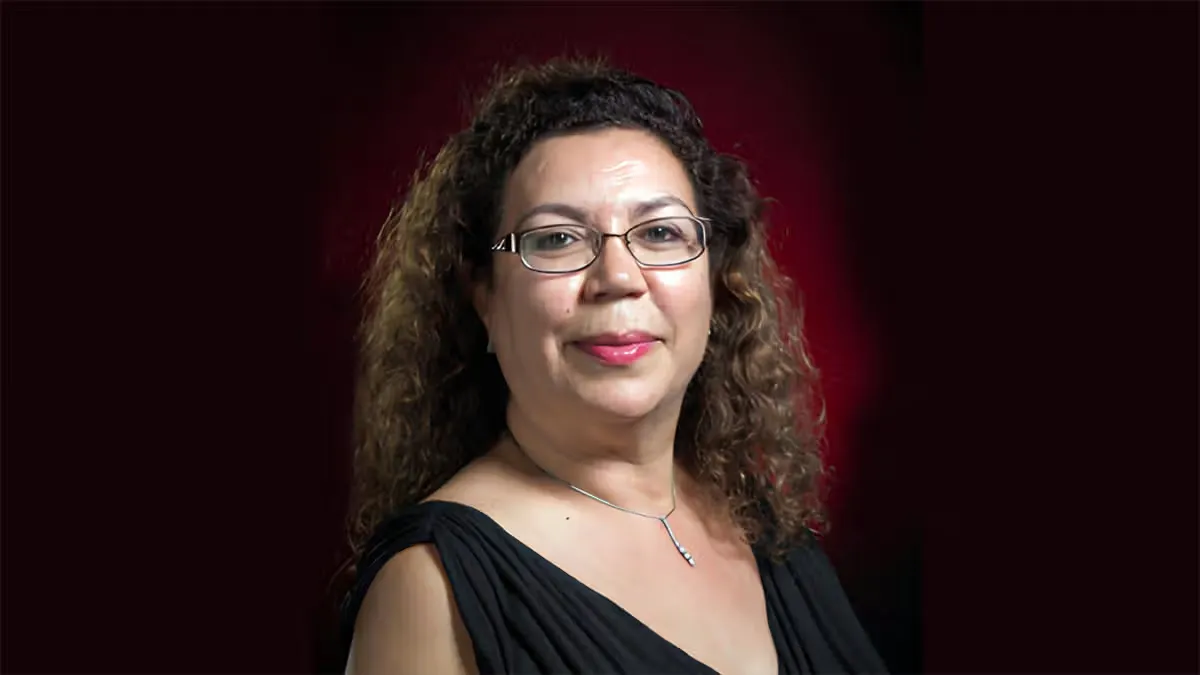

After months of speculation surrounding Argan Studios, Moroccan producer Khadija Alami has stepped forward to clarify the status of this exciting project. In an exclusive interview with Médias24, Alami, who is currently based in Los Angeles, confirmed that the project is progressing and addressed the discrepancies in the figures that have circulated in recent months. Her ambition is clear: to establish Morocco as a center capable of attracting more major international film productions. Let’s delve deeper.
With a background in overseeing major international productions and holding positions in several Academy Award committees, Khadija Alami is spearheading Argan Studios, a future cinematic complex designed to provide Morocco with filming infrastructure that meets international standards. In this exclusive interview, she discusses the advancements made in the project, responds to queries raised by reports published over the past months, and elaborates on her vision for an ecosystem that can attract foreign productions while simultaneously creating opportunities for Moroccan professionals.
Progress Amidst Speculation
In the interview, Alami was asked about the current status of the film city project located near Rabat. She expressed her preference to avoid terms like "mega-project" or "colossal budget" which have been inaccurately portrayed in the media. Alami noted that many pieces of information have circulated recently without her validation, often stemming from unverified sources. This misinformation, particularly following an article published without her consent, included figures that she had never disclosed.
Nonetheless, she confirmed that the project is indeed real and continues to move forward, albeit not with the budget that has been reported. The land identified for the project is currently being processed by the Rabat Investment Center, and the initial phase of funding has been secured. Concurrently, the project is undergoing studies, discussions with stakeholders, and necessary structuring efforts. As of now, several aspects are advancing simultaneously: land acquisition, technical considerations, financial structuring, and administrative processes. Once the necessary administrative approvals are obtained, the first phase can commence, which will take approximately 12 to 18 months to complete. However, Alami emphasized that it would be premature to announce a more precise timeline until certain key steps have been finalized.
A Complementary Vision for Moroccan Cinema
When discussing the choice of location for Argan Studios between Rabat and Casablanca, Alami highlighted that this decision was driven primarily by connectivity and accessibility factors. Existing infrastructure, proximity to international airports, significant medical facilities, and a diverse range of leisure, services, and talent were key considerations. While other regions like Ouarzazate and Marrakech have their own unique advantages, the decision to situate the studios in this particular area does not undermine the importance of those cities, which will continue to be vital destinations for international filming.
Alami is keen to clarify that Argan Studios will not be a competitor to existing infrastructures, especially those in Ouarzazate, with which she has a longstanding relationship. She has been involved in the region's film commission for many years and has invested in building initial studios there. Argan Studios is viewed as a complementary project designed to fill a gap; Morocco has primarily hosted outdoor filming locations, while the need for soundproof stages has led productions to seek facilities in the United States, the UK, or elsewhere in Europe. Argan Studios aims to provide high-quality studios alongside outdoor locations, resulting in more favorable timelines and budgets for productions, while being conveniently located near major urban centers and transport hubs.
Alami envisions Argan Studios as a significant player in building an ecosystem that supports the Moroccan film industry. The project includes plans for sound stages, a training campus, hotels, and post-production facilities. She believes that attracting international productions creates jobs, enhances local skill sets, and facilitates knowledge transfer, highlighting the importance of training to elevate the expertise of Moroccan technicians. Simultaneously, it is crucial to provide Moroccan filmmakers with the infrastructure they need to develop their own projects in optimal conditions, as the country is rich in talented directors and producers.
Regarding investor involvement, Alami is in discussions with several international partners whose expertise will guide the project. The specifics of their participation will be determined through future agreements, but their roles will likely encompass strategic advisory, studio management, and potential capital investment.
As the conversation turned to financial aspects, Alami addressed the inaccurate figures and timelines that have been circulated in the media. She refrained from commenting on unverified amounts or schedules but reiterated that once the first approvals are received, the project would require 12 to 18 months for execution. The funding structure is currently under review with various partners, and she emphasized that the project is fundamentally Moroccan, aiming to create a solid and sustainable enterprise deeply rooted in the country.
With Morocco experiencing a significant increase in foreign productions, Alami’s ambition is to position the Kingdom as the leading audiovisual hub in Africa. She believes that if Argan Studios can contribute to enhancing Morocco's appeal as a filming destination, it would be a significant achievement. Alami has dedicated years to promoting Morocco during her time in Los Angeles, ensuring that the country's cinematic landscape is well-represented in the industry. Through her involvement with the Academy Awards, she has also worked to highlight Moroccan talent and foster greater representation.
In conclusion, Alami is optimistic about the long-term impact of Argan Studios on the Moroccan economy, anticipating that it will generate skilled jobs, enhance local competencies, support Moroccan enterprises, and create a ripple effect across various related sectors such as commerce, transport, and tourism. Ultimately, her vision encompasses both drawing major Hollywood studios to Morocco and nurturing a new generation of Moroccan creators, fostering a mutually beneficial relationship between international and local film industries.
As reported by medias24.com.