
Khaled Haftar's Diplomatic Mission to Morocco
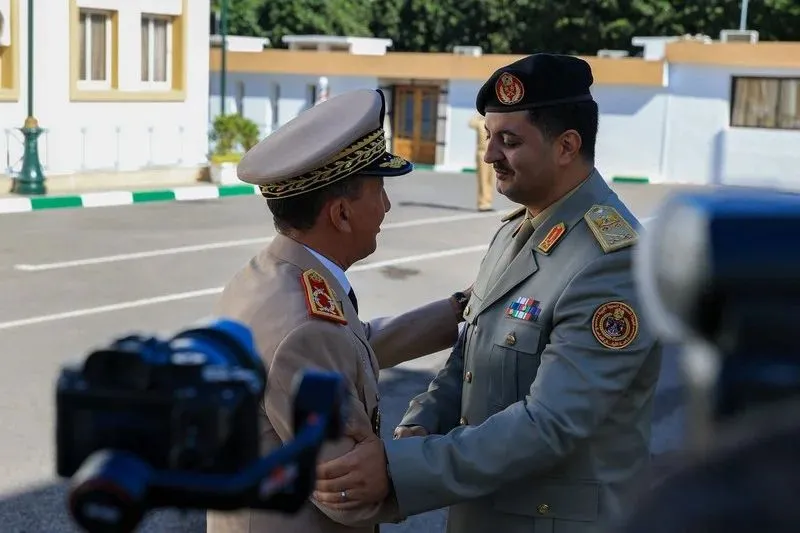
On October 11, Khaled Haftar, the head of the Libyan Arab Armed Forces, embarked on an official visit to Morocco to engage in discussions aimed at enhancing military cooperation between the two nations. As reported by Libyan media, his visit is scheduled to continue until October 15. Upon his arrival in Rabat, he was warmly welcomed by Major General Mourad El Mounir, the deputy inspector general of Morocco’s Royal Armed Forces, along with several key military officials from Morocco.
Focus on Military Cooperation and Training
During his stay, Haftar held important meetings with Lieutenant General Mohammed Berrid, who is the inspector general of the Royal Armed Forces and the commander of the Southern Zone, at the general headquarters of the military in Rabat. The primary agenda of their discussions revolved around the development of military cooperation and the enhancement of communication channels between the armed forces of both countries. Reports from both Libyan and Moroccan media reveal that these talks are aimed at fostering closer ties and collaboration in military matters.
Furthermore, Haftar visited the headquarters of Morocco’s 1st Parachute Infantry Brigade, where he was received by the brigade’s commander, Lieutenant General El Khadir Boulahjour. His visit included observing a field training exercise that featured tactical airdrops of equipment and vehicles, as well as training conducted through virtual-reality simulation systems. Haftar praised the high standards of training and the professionalism exhibited by the brigade's personnel, emphasizing the significance of sharing military expertise and engaging in training programs to bolster cooperation between the two forces.
Morocco and Libya have enjoyed diplomatic relations for many years, with Rabat actively supporting efforts to resolve the ongoing Libyan crisis. The Moroccan capital has served as the venue for multiple rounds of UN-sponsored talks involving Libyan representatives, leading to the signing of the Skhirat Agreement in December 2015, which aimed to establish a framework for political transition in Libya. Despite ongoing divisions among rival authorities, Morocco continues to advocate for a Libyan-led political process that respects the unity and territorial integrity of Libya. Additionally, Morocco has maintained communication with various Libyan political figures as part of its commitment to fostering a lasting resolution to the conflict.
Haftar’s visit to Morocco not only highlights the strengthening of military ties but also presents an opportunity for discussions on defense collaboration and the exchange of military expertise, which are crucial for both nations as they navigate their respective challenges.
As reported by moroccoworldnews.com.