
The Significance of Felipe VI's Visit to Ceuta and Melilla
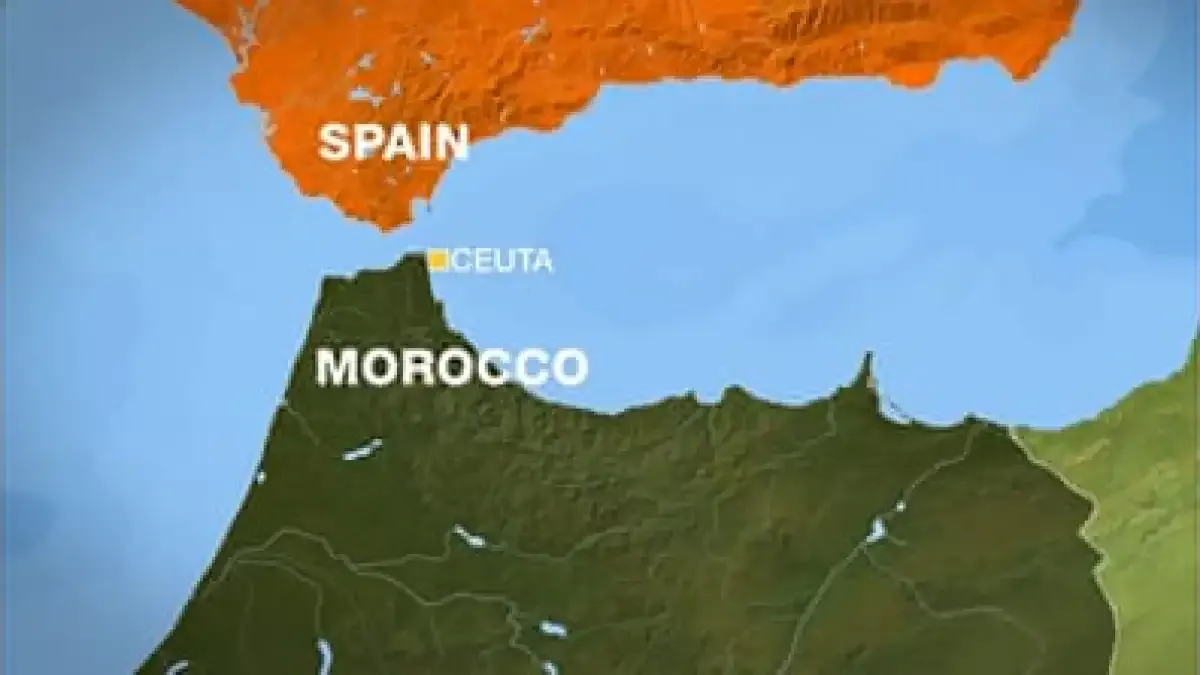
On October 13 and 14, 2023, King Felipe VI of Spain and Queen Letizia are set to embark on their inaugural visit to Ceuta and Melilla since the King ascended the throne in 2014. This visit comes at a critical juncture, following a significant migration crisis that unfolded at the Ceuta border in July and amidst the ongoing territorial dispute between Spain and Morocco over these strategically located cities on the North African coast. While Spain asserts that both Ceuta and Melilla are integral parts of its territory, Morocco contests this claim, regarding these cities, along with other smaller Spanish-held territories, as part of its own national domain. This visit not only underscores the importance of these cities to Spain but also reignites discussions surrounding their complex historical and geopolitical narratives.
Historical Context: Ceuta and Melilla's Dual Identity
The historical context of Ceuta and Melilla is rich and multifaceted, with each city possessing distinct narratives that contribute to their current political statuses. Ceuta is known as 'Sabta' in Arabic, a name that has historical roots that predate both modern Spain and Morocco. The Spanish Ministry of Culture traces the lineage of Ceuta back through various Islamic dynasties, including the Idrisid, Umayyad, Almoravid, and Marinid, illustrating its long-standing significance in regional history. The transition of governance began when the city fell under Portuguese control in 1415, marking the end of over seven centuries of Muslim rule. Following a period of shared monarchy between Portugal and Spain, Ceuta eventually became recognized as a Spanish territory following the Treaty of Lisbon in 1668, which solidified its status as part of Spain.
In contrast, Melilla's history diverges, having been captured by Spanish forces in 1497, thus integrating it directly into the Crown of Castile. Despite their differing historical trajectories, both cities are currently classified as Spanish autonomous cities, with Morocco asserting claims over them based on geographical proximity and historical context. The crux of the dispute lies not in the administration of these territories, which is firmly Spanish, but rather in the question of sovereignty, as both nations hold differing interpretations of their shared past.
The recent surge of migration into Ceuta, with over 72,000 individuals reportedly crossing into the city from Morocco in late July, highlights the geopolitical significance of these territories. As they stand on the external borders of the Schengen area, Ceuta and Melilla have become focal points for European immigration policy, further complicating the already delicate relations between Spain and Morocco. King Felipe's upcoming visits to these cities serve not only as a reaffirmation of Spain's commitment to its territories but also as an opportunity to address the broader implications of migration and border policy in the region. The dual naming of Ceuta—'Ceuta' in Spanish and 'Sabta' or 'Sebta' in Arabic—reflects the city's layered identity and the political nuances that accompany its historical narrative.
As reported by aljazeera.com.