
Significance of the Royal Visit
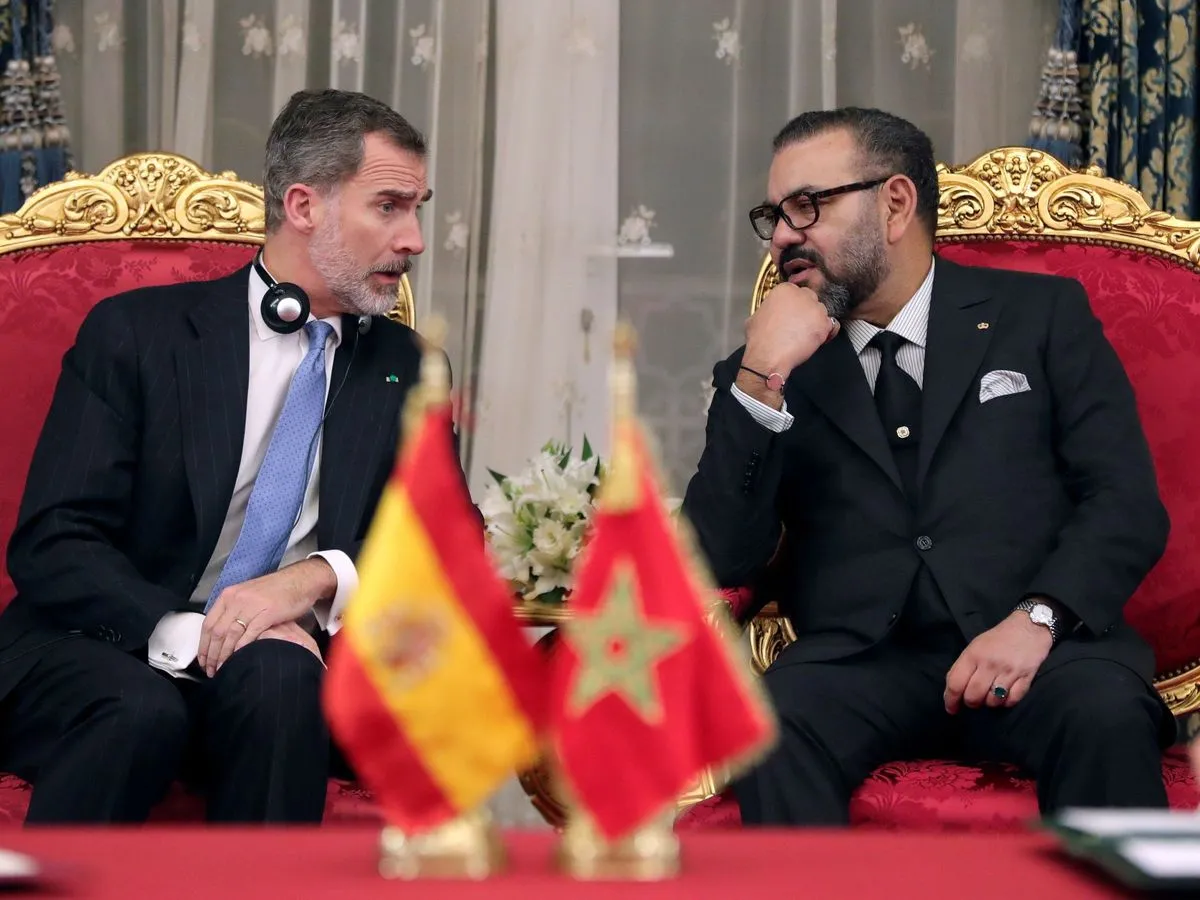
The highly anticipated visit of King Felipe VI and Queen Letizia to the Spanish enclaves of Ceuta and Melilla on October 13 and 14 has reignited discussions surrounding the longstanding political and diplomatic issues between Rabat and Madrid. This visit is significant not only because it marks the first time the Spanish monarch has visited these territories since ascending to the throne twelve years ago, but also because it brings to the forefront one of the most contentious points in Moroccan-Spanish relations in recent history. The last royal visit to these cities occurred in November 2007, when former King Juan Carlos's trip was perceived by Morocco as a provocation, leading to heightened diplomatic tensions.
During the 2007 visit, which was conducted in secret and announced only days prior, King Juan Carlos and Queen Sofia's planned engagement was met with immediate and strong opposition from Morocco. The Moroccan government expressed outrage, regarding the visit as an affront to national sentiments since it involved territories that Morocco views as occupied. The situation escalated to a diplomatic crisis, prompting Morocco to recall its ambassador from Madrid for consultations. The Moroccan stance was clear: they considered Ceuta and Melilla integral parts of their territory, and any visit by Spanish royalty was seen as an assertion of Spanish sovereignty over lands Morocco claims as its own.
Historical Context and Diplomatic Repercussions
Historically, the relationship between Morocco and Spain has oscillated between periods of cooperation and conflict, with the sovereignty of Ceuta and Melilla remaining a critical point of contention. In 2007, although relations had improved since the 2002 crisis over the disputed island of Perejil, the two cities remained a flashpoint. Following the announcement of Juan Carlos's visit, the Moroccan government swiftly convened to formulate a response, reiterating their refusal to accept any acknowledgment of Spanish sovereignty over the enclaves. Prime Minister Abbas El Fassi publicly denounced the visit and emphasized Morocco's intention to reclaim these territories through negotiations, drawing parallels to other territorial disputes the country has faced.
As the visit went ahead, protests erupted within Morocco, demonstrating widespread public dissent against perceived Spanish colonialism. Moroccan representatives in parliament voiced their objections, and demonstrations occurred near the borders, showcasing the deep-rooted national sentiment against Spain's historical claims to the cities. In response to these tensions, the Moroccan government took decisive diplomatic actions, including recalling its ambassador and suspending high-level Spanish visits to Morocco. This period of strained relations persisted well into 2008, culminating in diplomatic efforts to de-escalate the situation, including personal communications between the Spanish Prime Minister and King Mohammed VI.
Since the 2007 crisis, no Spanish monarch has revisited Ceuta and Melilla. With King Felipe VI's upcoming visit, there is a palpable tension surrounding the implications for Moroccan-Spanish relations. As both countries navigate this complex historical landscape, the visit could either serve as a step towards reconciliation or further exacerbate existing grievances, depending on the perceptions and reactions from both sides.
As reported by thevoice.ma.