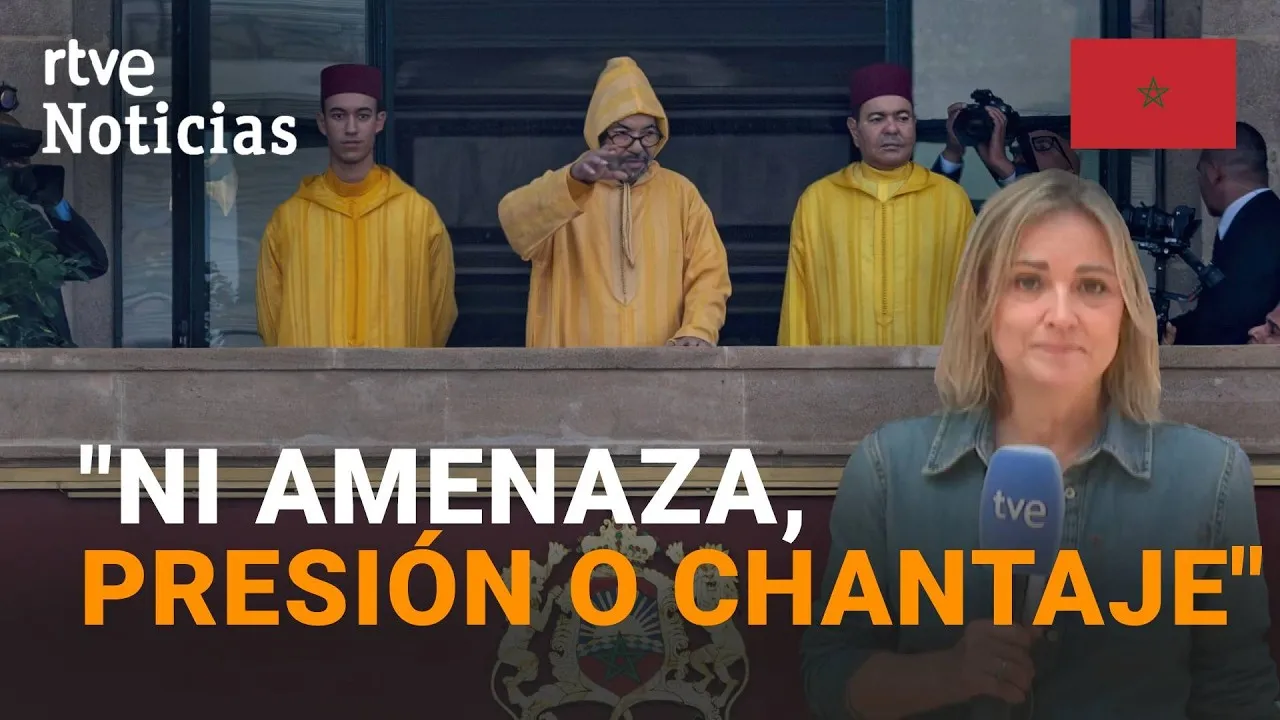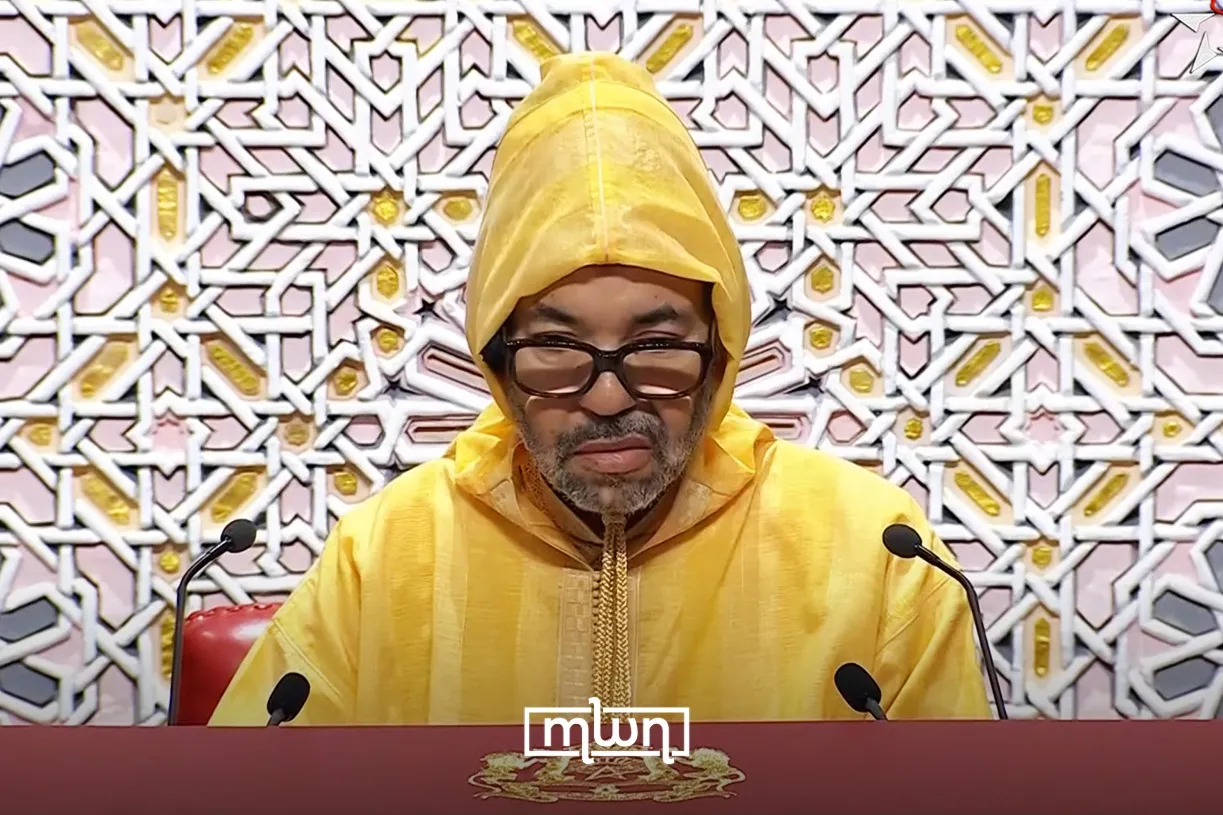

In a significant address during the opening of Parliament, King Mohammed VI of Morocco clarified the nation's stance on its relationship with Spain, asserting that the partnership is rooted in Morocco's sovereign decision-making and cannot be influenced by external pressures. This address marked the commencement of the first legislative year of the 12th Legislature, just weeks after Morocco witnessed a historic parliamentary election. Fatima Ezzahra El Mansouri emerged as the first female head of government, representing the Authenticity and Modernity Party (PAM), which secured 97 out of 395 seats in the House of Representatives. The King's remarks come at a time of heightened strain between the two countries, particularly following recent political tensions and migration issues.
In his speech, King Mohammed VI responded decisively to what he termed 'irresponsible declarations' emanating from certain political and media circles in Spain. These statements have been marked by a blatant manipulation of the ongoing situation. He emphasized that Morocco's partnership with Spain is not merely a matter of convenience but a 'sovereign choice' and a commitment that should remain free from any form of coercion, threats, or blackmail. This assertion is particularly timely, as Spain approaches a snap general election on November 29, called by Prime Minister Pedro Sánchez, amidst a campaign that heavily features immigration as a central theme.
The recent surge of approximately 70,000 migrants crossing into the Spanish enclave of Ceuta in July has exacerbated tensions, with local authorities struggling to manage the influx. Despite Morocco's commitment to assist in the repatriation of these individuals, the country has faced challenges in addressing the criminal networks involved. The King painted a broader picture, asserting that Morocco has established itself as a responsible international partner that honors its commitments and deserves reciprocal treatment from Spain and other allies.
However, the King also acknowledged that the existing framework for cooperation regarding migration has reached its limits, as ongoing crises highlight significant challenges faced by both nations. He pointed out that the partnership has made strides in various areas, including combating irregular immigration, yet faces substantial hurdles stemming from outdated legal frameworks and judicial decisions that do not align with the current realities. These obstacles hinder the repatriation process of minors and individuals misusing refugee status, inadvertently fortifying criminal networks.
In light of these challenges, the King announced Morocco's intention to present a comprehensive document to its partners, outlining a new, clear strategic vision aimed at fostering co-development, enhancing economic competitiveness, and promoting regional stability. This royal address builds upon a previous strong statement issued by Morocco, which firmly rejected attempts to exploit its situation for political gain in Spain.
Morocco's Ministry of Foreign Affairs previously condemned the manipulation of the migration issue, asserting that the Kingdom would not be a 'pre-electoral cash cow' or a scapegoat for political conflict. The ministry reiterated the need for a partnership grounded in mutual respect and cooperation, emphasizing that Spain's approach should not be one of lecturing a former dependency but rather engaging with a sovereign partner.
As political tensions escalate in Spain, particularly with the far-right's rhetoric regarding Morocco, the King's address serves as a clarion call for a partnership based on shared interests and mutual respect rather than one marred by threats and populist tactics. The relationship, rooted in a joint declaration from April 2022, underscores the need for good neighborliness and cooperation in various sectors, including security and economic partnership.
The upcoming royal visit of King Felipe VI and Queen Letizia to Ceuta and Melilla is expected to further complicate the diplomatic landscape, as Morocco traditionally opposes such visits due to its claims of sovereignty over these enclaves. In the wake of the King's address, political analysts suggest that the message is clear: Morocco demands recognition as a sovereign entity, deserving of respect and fair treatment in all matters, particularly those relating to migration and bilateral relations.
As reported by moroccoworldnews.com.