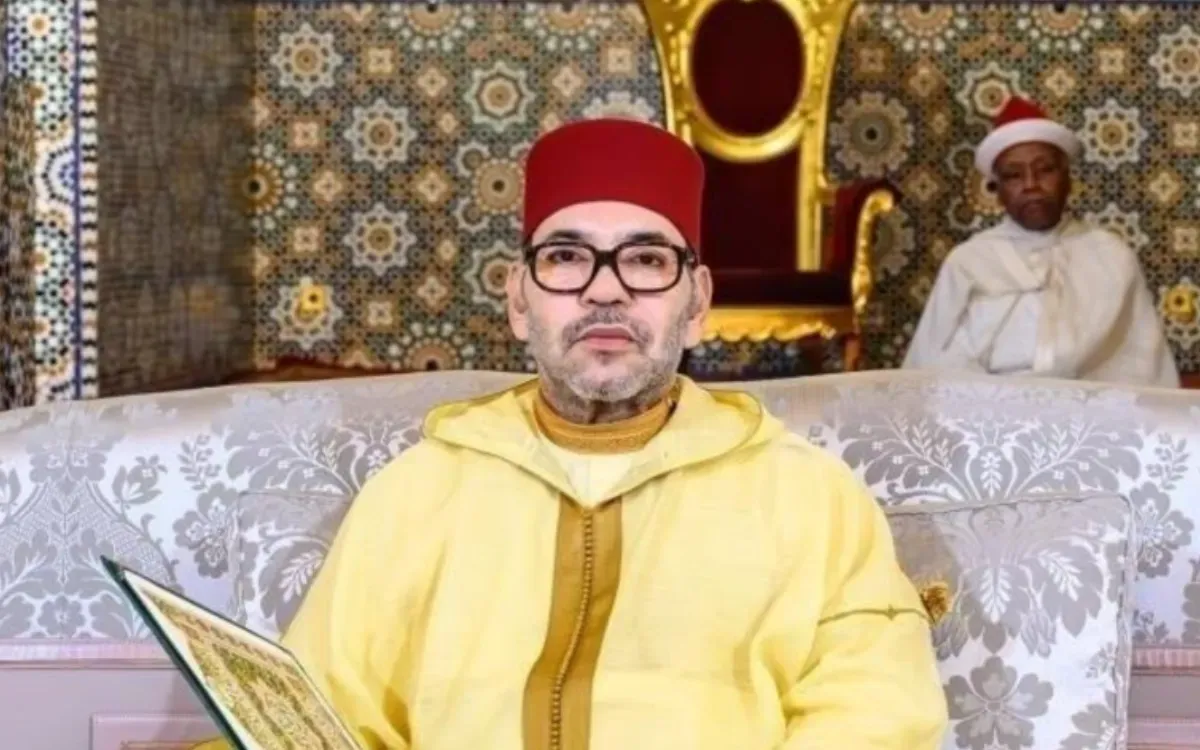

In a significant address to Parliament on Friday, King Mohammed VI of Morocco condemned the judicial obstacles hindering the repatriation of minors from Spain, particularly in the wake of the recent migration crisis in Ceuta. The monarch expressed his belief that the existing model of cooperation between Morocco and Spain has reached its limits and announced plans for a new proposal aimed at enhancing collaboration with Moroccan partners.
The aftermath of the migrant crisis that unfolded in late July saw tens of thousands of individuals making their way to Ceuta from Morocco. Although many have since returned to the Kingdom, a significant number of minors remain under the care of Spanish authorities. In his speech delivered on October 9, Mohammed VI highlighted the shortcomings of certain legal frameworks and judicial decisions that, in his view, obstruct the safe return of these minors. He emphasized that these impediments inadvertently benefit organized criminal networks that facilitate illegal crossings.
The King criticized what he described as "outdated legal provisions and judicial rulings disconnected from reality," which he believes hinder the repatriation process for migrants, particularly those wrongfully claiming refugee status. The Moroccan government has previously expressed its willingness to streamline the return of these minors. However, at the beginning of August, Spanish officials reiterated that each repatriation must prioritize the rights of the child and consider their familial circumstances, with plans to potentially transfer minors to care facilities within Spain.
New Proposal for Enhanced Cooperation
King Mohammed VI articulated that the challenges faced by Morocco extend beyond the recent crisis in Ceuta, stating, "The current cooperation model has reached its limits." He acknowledged the progress made in partnership with Spain to combat irregular migration but underscored the need for a reevaluation of their approach. In response to criticisms from certain political and media circles in Spain, which allege that Rabat is not adequately managing migrant departures, the King reaffirmed that Morocco's cooperation is a "sovereign choice and a voluntary commitment," which should not be subject to "any pressure or threat, nor any form of blackmail."
Looking ahead, Morocco plans to present a comprehensive document to its partners outlining a refreshed vision for cooperation, emphasizing three key areas: co-development, economic competitiveness, and regional stability. This strategic shift aims to foster a more effective partnership that addresses the nuanced challenges of migration while ensuring the rights and welfare of minors are prioritized.
As reported by bladi.net.