
Reforming Migration Policy and Enhancing Regional Development
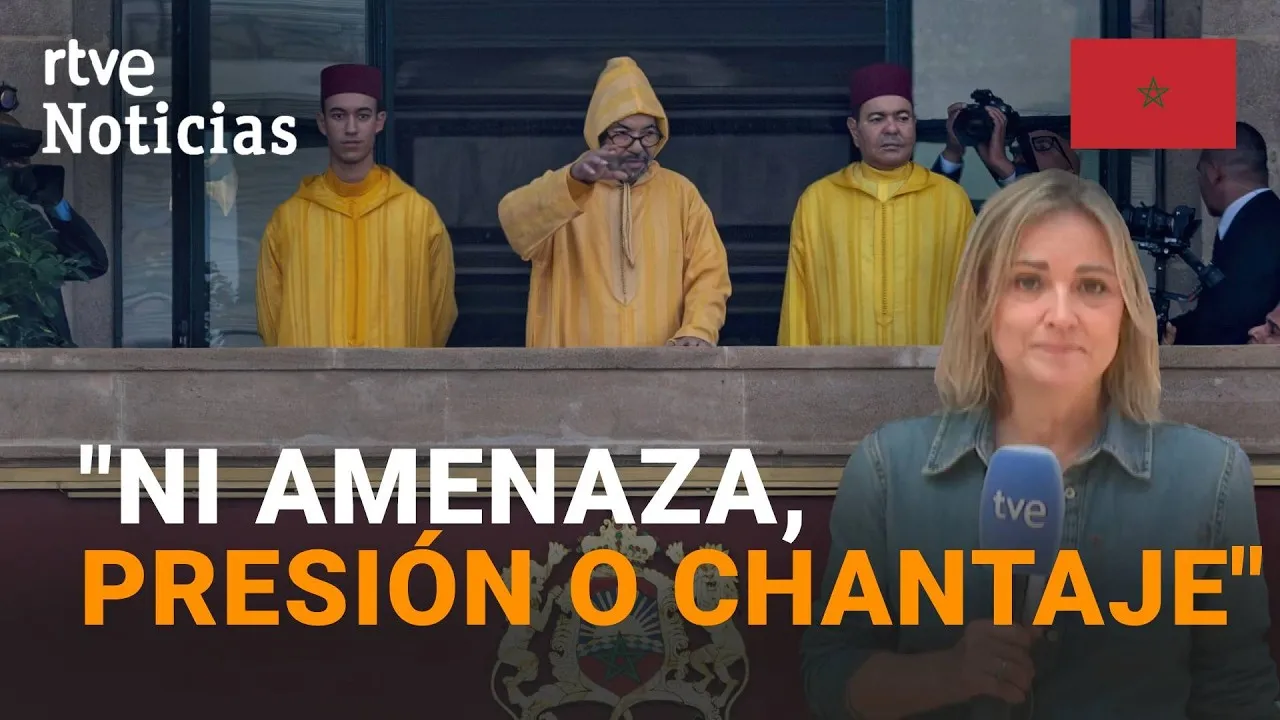
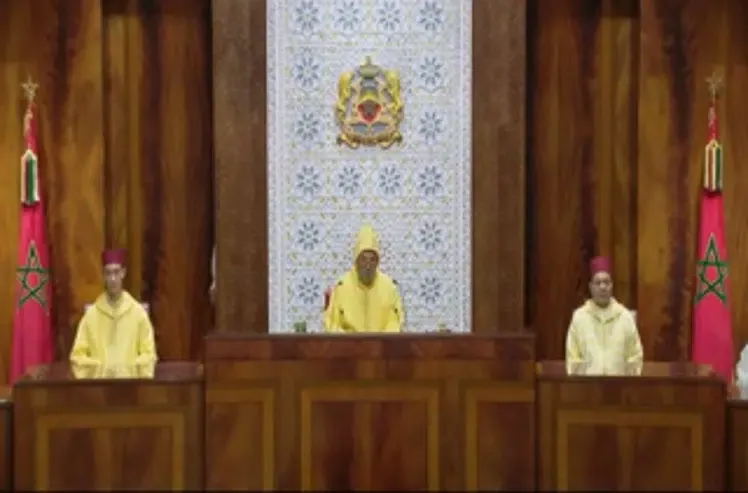
On October 9, 2026, King Mohammed VI of Morocco inaugurated the first session of the twelfth parliamentary term in Rabat, delivering a speech that outlined significant reform demands. The monarch declared that the existing model of international cooperation in the field of migration has reached its limits. In this context, he announced the forthcoming presentation of a new strategic document aimed at recalibrating Morocco's approach to regional stability, economic competitiveness, and shared development with its partners.
During his address to the parliamentarians, King Mohammed VI specifically referred to the collaboration with European partners and the neighboring country of Spain. Although progress has been made in combating irregular migration through this partnership, it faces considerable obstacles due to outdated legal frameworks and judicial decisions. These challenges complicate the repatriation of minors and individuals wrongly claiming asylum, inadvertently facilitating criminal networks.
The King also dismissed pressures and statements from foreign political and media circles, emphasizing that partnerships are a sovereign choice and a voluntary commitment that should not be subjected to coercion or threats. In addition to migration policy, the royal address highlighted the importance of internal development. The King urged for the unwavering implementation of the Decentralization Charter, asserting that delays in transferring powers, personnel, and financial resources from the capital to the regions are no longer acceptable.
To effectively address specific local issues, it is essential to strengthen the operational capacities of regional institutions and clarify the contractual relationships between the state and the regions. This approach is vital for fostering local governance and ensuring that the needs of various communities are adequately met.
Strategic Initiatives for Future Growth
For the new mandate, the monarch called for comprehensive initiatives in key sectors crucial for the future. These include measures for water, energy, and food security, as well as strategies for industrial development, the digital economy, and the utilization of artificial intelligence. King Mohammed VI appealed to the private sector to take a more active role in job creation, investment expansion, and boosting exports.
Furthermore, he stressed the need to accelerate the establishment of strategic reserves for essential goods and to prioritize the economic integration of youth within public policies. With the opening of parliament, a new mandate begins for both parliamentarians and the government, which, according to royal directives, is intended to signify a turning point for economic growth and social justice in Morocco. The specific implementation of the announced steps, particularly the strategic document to international partners, will significantly shape the political agenda in the months ahead.
As reported by maghreb-post.de.