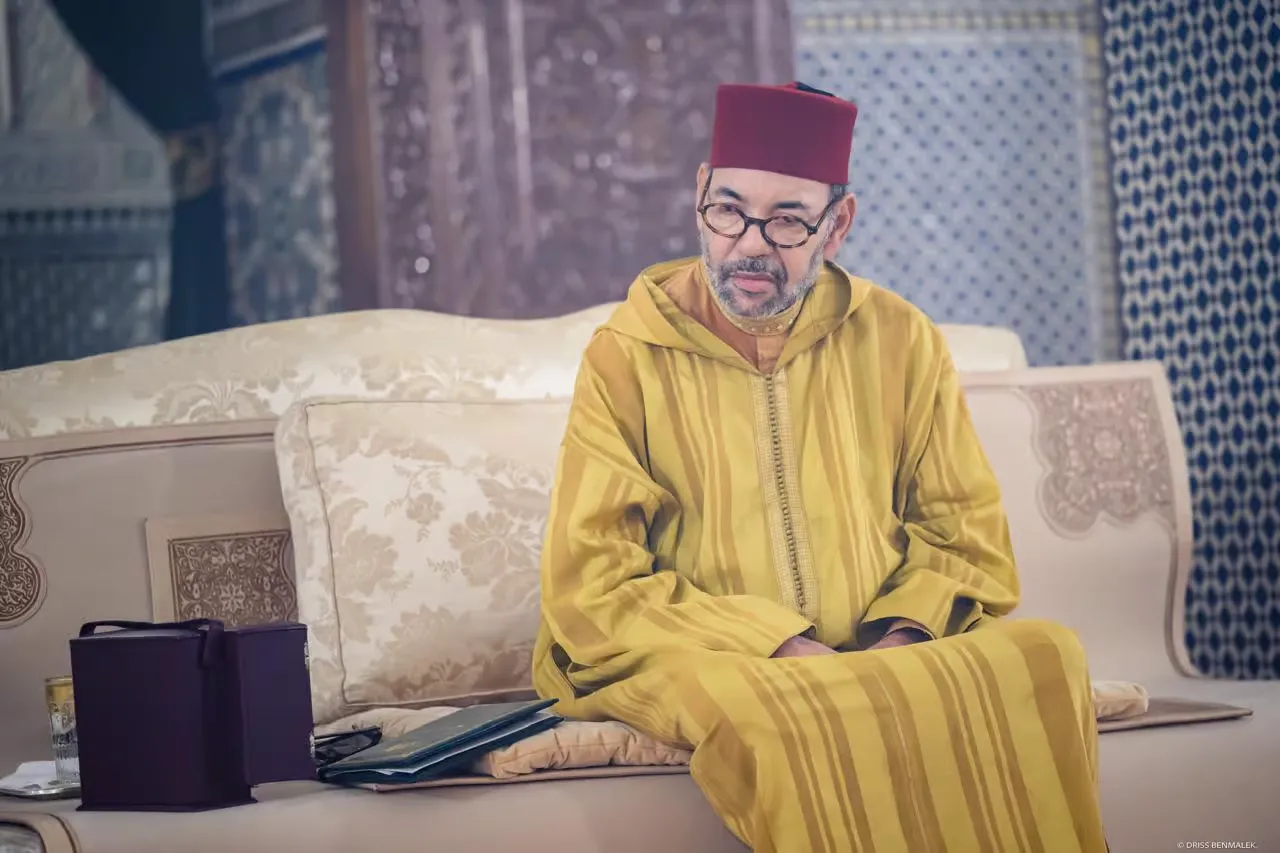

On August 24, 2026, coinciding with the 11th of Rabie-I of the year 1448 in the Islamic calendar, King Mohammed VI, accompanied by Crown Prince Moulay El Hassan, Prince Moulay Rachid, and Prince Moulay Ahmed, presided over a significant religious vigil held at the Royal Palace in Rabat to celebrate Eid Al-Mawlid Annabaoui Acharif. This occasion is of immense importance in the Moroccan cultural and religious landscape, as it marks the birth of the Prophet Muhammad.
During the ceremony, Ahmed Toufiq, the Minister of Habous and Islamic Affairs, presented to the King a detailed report outlining the activities carried out by the High Council of Ulema and local councils of Ulema. He highlighted that following last year's Eid Al-Mawlid celebrations, the King had tasked the High Council of Ulema with implementing several initiatives aimed at commemorating the 1500th anniversary of the Prophet's birth. These royal directives have catalyzed a series of large-scale religious gatherings throughout the year, dedicated to prayers in honor of the Prophet and the dissemination of his teachings and values.
Moroccan Devotion to the Prophet Emphasized
Minister Toufiq emphasized that the historical bond between the Moroccan nation and the Prophet is expressed through two complementary dimensions: an institutional and political dimension, as well as an emotional and spiritual dimension. The former is rooted in the continuity of the Commandery of the Believers, while the latter is reflected in the celebration of the virtues and qualities of the Messenger of God, as documented in the works of several Moroccan scholars.
In this context, the Minister referenced the writings of Cadi Ayyad and Abou Abbès Al Ozfi, both hailing from Ceuta, alongside the work of Imam Al Jazouli, which focuses on prayers and righteous paths. These contributions have significantly entrenched the tradition of celebration and devotion within Moroccan society. Furthermore, Ahmed Toufiq showcased the vital role of Moroccan ulema and scholars within the communication plan "Tassdid Tabligh." This initiative aims to present the foundational principles of monotheism and the teachings of the Quran and the prophetic mission in an accessible manner, promoting a moral liberation from individual and collective selfishness to facilitate a genuine reform in religious practice and understanding.
A Moroccan Heritage Work Presented to the King
On this occasion, the Minister of Habous and Islamic Affairs presented the Sovereign with a significant Arabic text titled "Dakhirat Al Muhtaj Fi Assalati Ala Sahibi Alliwae Wa Taj." Published by the ministry, this book draws upon numerous manuscripts preserved in royal, public, and private libraries both within Morocco and abroad. This publication aligns with the royal directives aimed at highlighting Morocco's rich heritage dedicated to prayers for the Prophet and the scholarly works of the Kingdom's ulema, as part of the commemoration of the 15th century of his birth.
The religious vigil was attended by the head of government, the presidents of both Houses of Parliament, royal advisors, government members, and heads of constitutional bodies. Senior officers from the General Staff of the Royal Armed Forces, members of the accredited Islamic diplomatic corps in Rabat, as well as numerous ulema and civil and military personalities were also present at the ceremony. King Mohammed VI's celebration of Eid Al-Mawlid is a tradition upheld by Moroccan sovereigns throughout history, who have consistently ensured the commemoration of the birth of the Prophet Sidna Mohammed. This religious anniversary is closely associated with the advent of the prophetic message and the propagation of values such as justice, peace, solidarity, and good deeds, which are considered fundamental principles that promote coexistence and understanding among peoples.
As reported by lebrief.ma.