
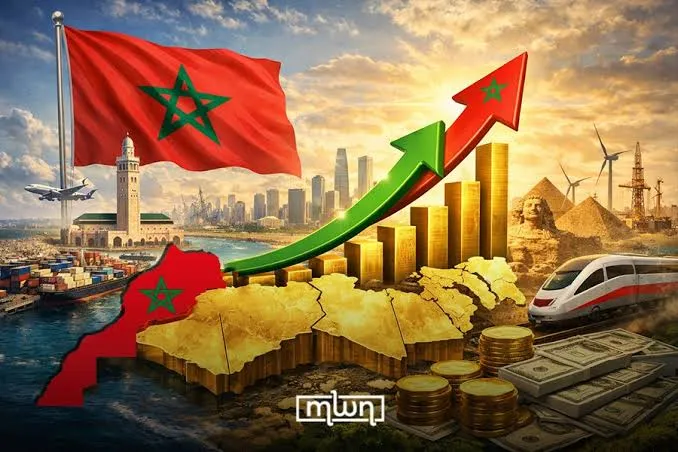

In a significant address delivered on October 9, marking the commencement of Morocco's 12th legislative term, King Mohammed VI emphasized the need for renewed economic ambition and a robust international presence amid global economic and geopolitical challenges. His remarks highlighted the Kingdom's ongoing achievements and the essential reforms required to meet future challenges. The King's assertion of an exceptional period filled with opportunities signaled not just optimism, but a clear declaration about the responsibilities that accompany this transformative phase.
The King articulated that Morocco must not only persist with existing projects and reforms but also leverage its accomplishments to achieve enhanced economic resilience and policy implementation in an increasingly competitive global landscape. His discourse underscored the continuity of the monarchy's strategic vision, which transcends electoral cycles and governmental transitions, while simultaneously holding elected bodies accountable for rendering the state’s broader objectives into concrete outcomes. The opportunities identified by the King will not materialize without diligent governance and decisions that align with the aspirations of the nation.
Pride in Moroccan Identity: A Foundation for the Future
Revisiting his 2014 declaration, King Mohammed VI reaffirmed the intrinsic value of national identity, declaring, “As a Moroccan, nothing else is more valuable to me than the sense of belonging to this nation.” This sentiment not only reflects Morocco's rich historical legacy and unique cultural tapestry but also establishes a critical link between national pride and the responsibilities that come with it. By framing national belonging as a source of duty rather than mere nostalgia, the King posited that Moroccan identity should be the cornerstone for future progress.
Moroccan identity, deeply rooted in its religious, cultural, and institutional heritage, intertwines with the nation’s modernization efforts, providing a foundation for confidence in its continued advancement. The King emphasized that national pride should translate into a commitment to responsibility, urging citizens to view their sense of belonging as a collective duty rather than a reason for complacency. This perspective positions Morocco's aspirations as forward-thinking, focusing not merely on immediate crises but on anticipating future developments and leveraging past achievements for ongoing growth.
Strategic Priorities and Institutional Reforms
The King’s address went beyond a mere call for expedited major projects, unveiling new strategic priorities in critical areas such as water, energy, and food security. He emphasized the importance of industrial development, the digital economy, and artificial intelligence, alongside the necessity for stronger strategic reserves and reliable supplies of essential goods. These economic priorities reflect Morocco’s intent to bolster its resilience against external shocks and diminish reliance on imports in vital sectors. The pursuit of economic sovereignty increasingly hinges on securing strategic resources and fostering industrial capabilities rather than merely focusing on investment levels or growth metrics.
However, the King did not confine the prerequisites for progress to economic factors alone. He voiced concerns regarding the persistent barriers to advanced regionalization and the decentralization of administrative powers. The call for timely transfer of authority and resources from central governance to localities is crucial for optimizing the benefits of significant investments in infrastructure. Effective territorial governance is imperative for ensuring that decisions and resources remain closely aligned with the needs of regional populations.
Moreover, the King linked economic ambitions to social equity, prioritizing youth issues in public policy through education, skill development, and equal opportunities. The strengthening of institutional trust hinges on the youth experiencing the tangible benefits of development, making social progress an indispensable element of national stability.
On the international stage, the speech conveyed a firm stance on sovereignty and the future of diplomatic cooperation, particularly addressing Spain amid ongoing issues related to irregular migration. The King critiqued the outdated migration cooperation model, highlighting legal and judicial barriers that hinder effective repatriation processes and facilitate the activities of criminal networks. His remarks extended beyond security measures to stress the necessity for partners to address legal deficiencies that compromise collaborative efforts.
The King firmly rejected any notion of pressure or political blackmail, affirming that Morocco’s adherence to international duties does not equate to bearing the burdens of its partners' inadequacies. Rather than merely critiquing the existing framework, he proposed a new strategic document to international allies, advocating for a cooperative approach rooted in shared development, economic competitiveness, and regional stability. This shift from crisis management to proactive collaboration aims to align economic interests, mutual commitments, and security imperatives.
Ultimately, King Mohammed VI outlined a vision for a new era, grounded in Morocco’s historical achievements, aimed at enhancing its economic and institutional capacities while promoting social equity. The newly elected institutions are now tasked with translating this vision into actionable strategies, with the parliamentary mandate framed as a moral contract to the citizens, emphasizing the importance of practical actions that respond to the needs of the populace.
As reported by moroccoworldnews.com.

