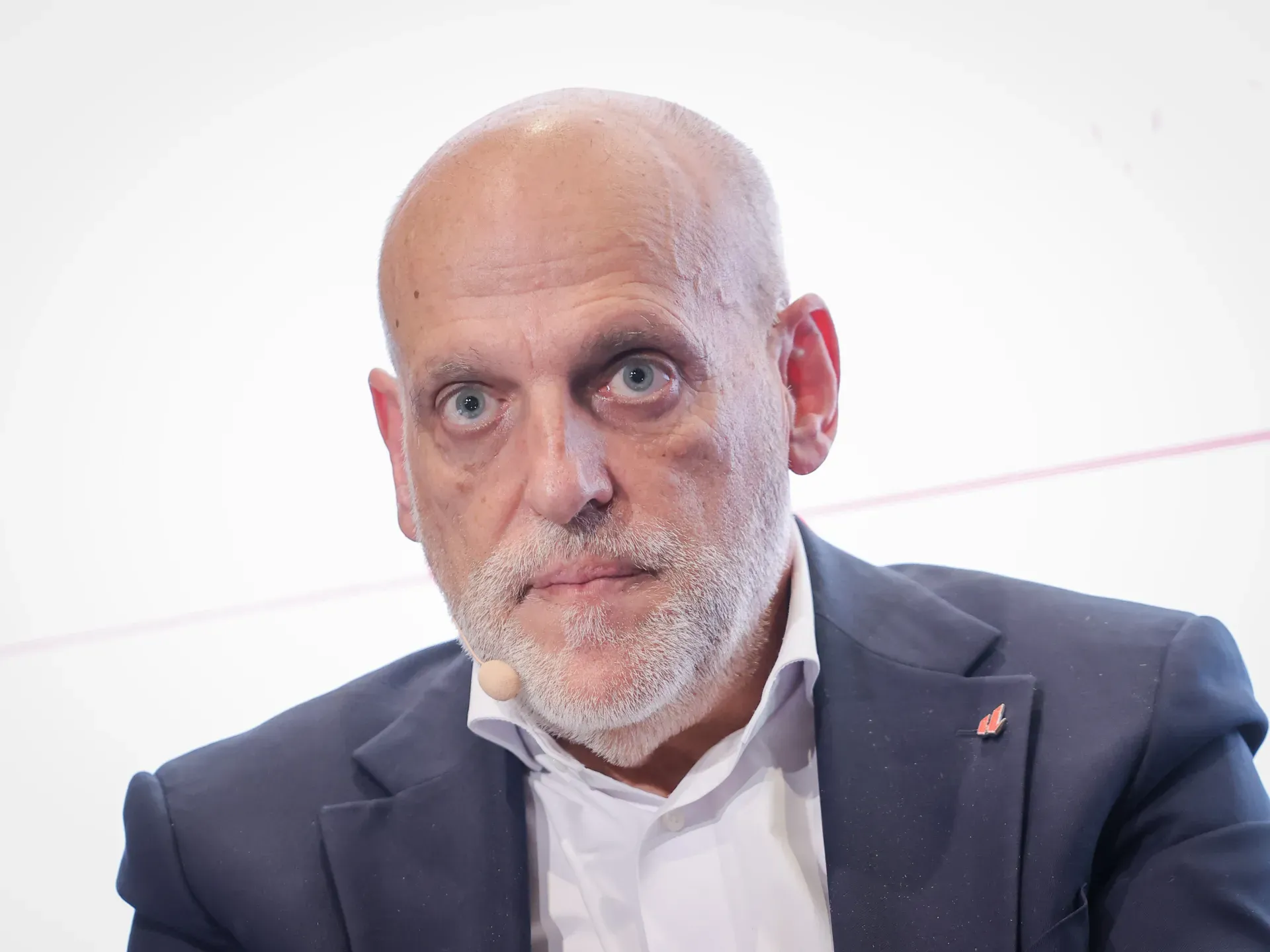

The President of La Liga, Javier Tebas, has indicated that Morocco is likely to host the final of the 2030 FIFA World Cup, provided that Gianni Infantino remains at the helm of FIFA. This assertion comes despite FIFA's confirmation that a decision regarding the stadium for the final has yet to be finalized. Speaking at a conference organized by the Association of Directors and Executives in Huesca, Spain, Tebas expressed his belief that the final will indeed "go to Morocco" as long as Infantino is in charge, unless an unexpected turn of events occurs.
Tebas based his prediction on recent comments made by Fouzi Lekjaa, the President of the Royal Moroccan Football Federation and a member of the FIFA Council, who announced last week that the Hassan II Stadium would host the championship final. He elaborated on Lekjaa's significant influence in international football, suggesting that such a declaration must be grounded in substantial reasons. He pointed out that the scale of the Hassan II Stadium project, with its impressive specifications, would not be undertaken merely for a cricket final.
Furthermore, Tebas stated that he would prefer for the Spanish national team to win the World Cup rather than for Spain to host the final match. In a gathering held in Bouznika, Morocco, on September 10, Lekjaa mentioned that the Benslimane region would have the "honor of organizing the final of the 2030 World Cup," referring to the area where the Hassan II Stadium is being constructed, located near Casablanca. However, FIFA reiterated the same day that the selection of the final stadium had not been determined and that a decision would be made "in due course," a stance that the international federation had previously communicated in August following reports suggesting Morocco was set to host the final.
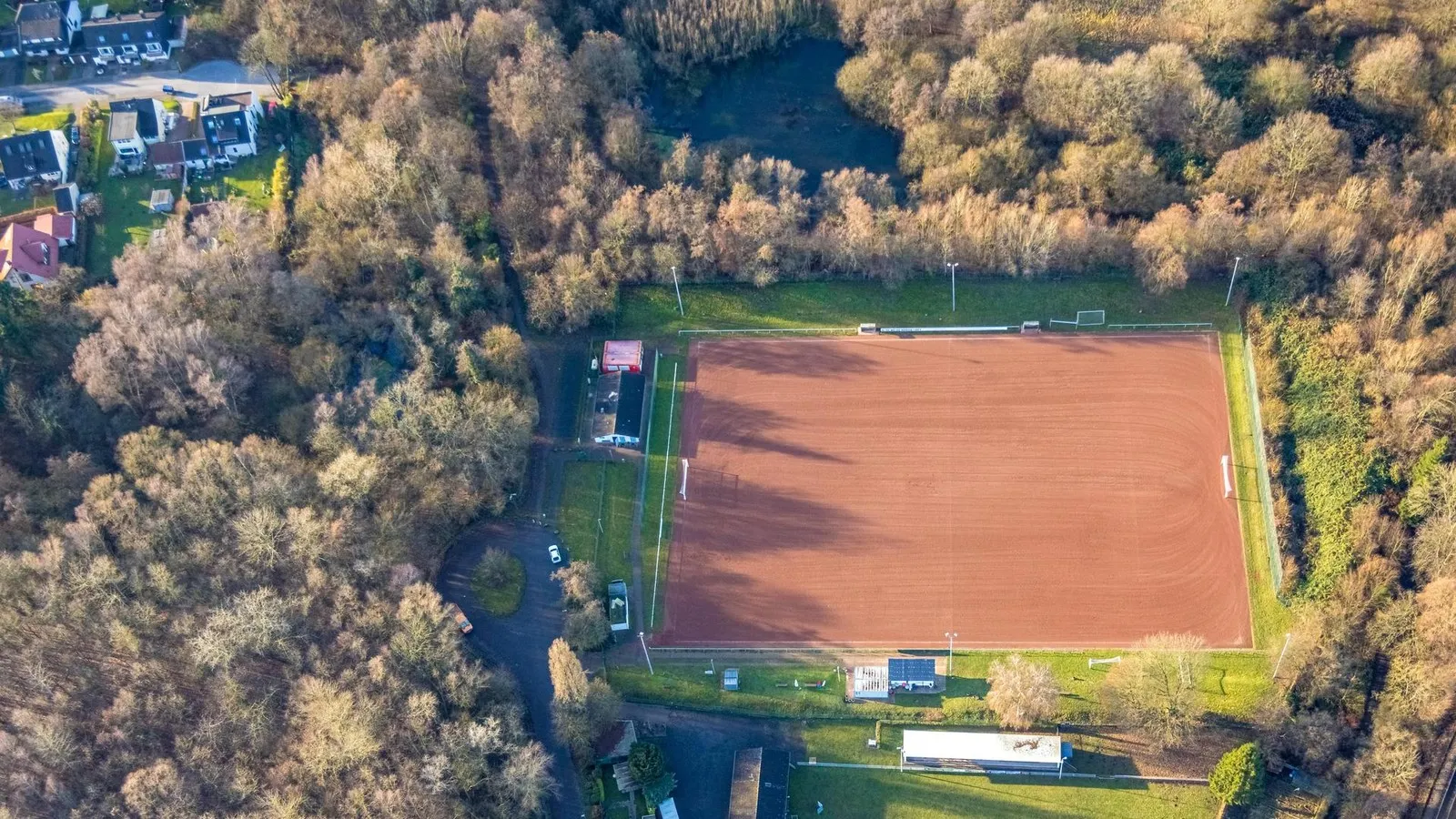
The bid to host the 2030 World Cup includes the Hassan II Stadium alongside other famous venues like Santiago Bernabéu in Madrid and Camp Nou in Barcelona, although FIFA has yet to officially select any of these stadiums for the final match. The Hassan II Stadium is currently under construction in Benslimane, approximately 60 kilometers from Casablanca, with a planned capacity of 115,000 spectators and is expected to open in 2027.
Lekjaa's comments sparked a debate in Spain, prompting the President of the Spanish Football Federation, Rafael Lozano, to assert that no decision had been made and to advocate for Spain's hosting of the final, citing the country's organizational experience and its strong position in the joint bid. Tebas went even further just a day prior to his remarks in Huesca, calling for Spain to reconsider its role in the organization of the 2030 World Cup if Infantino is re-elected and Morocco is awarded the final.
In this scenario, Tebas stated that Spain would need to "rethink" its approach to the World Cup, without explicitly calling for a withdrawal from the organization. His stance comes amid a public dispute with Infantino, as he had previously questioned FIFA's management of the final bid and denied reports that suggested a decision had been made in favor of Morocco. According to FIFA's official position, there has been no entity officially granted the right to host the final match.
Spain, Morocco, and Portugal will co-host the 2030 World Cup, following the approval of their joint bid by the FIFA Congress in December 2024. Additionally, Argentina, Paraguay, and Uruguay will each host one match to celebrate the centennial of the first World Cup held in Uruguay in 1930, with the remaining matches taking place in the three primary host nations. In the absence of an official decision regarding the final, the statements from Tebas and Lekjaa remain part of the ongoing competition between Morocco and Spain to host the most significant match of the 2030 World Cup, with FIFA holding the ultimate decision-making power.
As reported by aljazeera.net.