
Exploring the Harsh Realities of Migrant Workers in Spain
Every year, thousands of women embark on a journey from Morocco to southern Spain, driven by the promise of financial stability during the strawberry and red fruit harvest season. The allure of earning thousands of euros in just a few months—more than many Moroccans make in an entire year—draws these women, particularly from rural areas where unemployment and poverty are rampant. Under a bilateral agreement established in 2001, these seasonal workers are specifically sourced from Morocco, with a focus on mothers who are more likely to return to their families after fulfilling their temporary work contracts. However, this quest for a better life is marred by the grim realities of widespread sexual abuse and labor exploitation, as exposed in a 2019 investigation by The New York Times. This report revealed the harrowing experiences of numerous Moroccan women who bravely shared their stories of inhumane working conditions, likening their treatment to that of modern-day slavery.
In the wake of these revelations, Moroccan journalist Aida Alami, alongside filmmaker Laïla Marrakchi, delved into the dark underbelly of this industry during their investigation. Now, after seven years, Laïla Marrakchi presents her film 'Strawberries' at the prestigious Cannes Film Festival, which aims to shed light on the lives of these women. Her intention is to humanize their experiences and portray them as individuals rather than mere statistics. "My aim with this film is to humanise these women – or at least to show them as human beings – because they’re often pigeonholed, always put into the same boxes," Laïla stated during her time at Cannes.
A Narrative of Resilience and Hope
Laïla Marrakchi, known for her previous works that explored the upper echelons of Moroccan society, now shifts her focus to the often overlooked narratives of migrant women who risk everything to provide for their families back home. In her film, she seeks to tell a survival story, capturing the bravery and resilience of these women who speak out against injustices, even at the potential cost of losing their familial support. Reflecting on her motivations, Laïla noted the timing of her project coincided with a global reckoning around gender rights during the #MeToo movement, which emphasized the importance of giving a voice to the silenced.
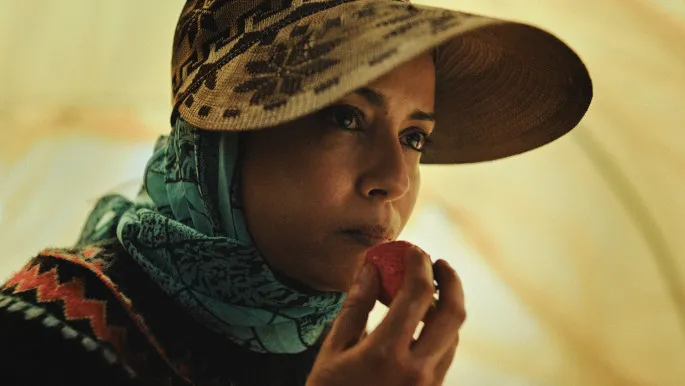
Laïla spent nearly six years researching and developing the film, determined to present a narrative that resonates with audiences while avoiding the confines of a documentary or academic thesis. Instead, she chose to create a fictionalized account that still pays homage to the real struggles faced by these women. The film centers around Hasna, portrayed by actress Nisrin Erradi, who moves to Spain with hopes of a better future but quickly becomes aware of the harsh realities on the farms. The story not only highlights individual struggles but also the broader socio-political landscape that shapes the experiences of migrant workers.
As Spain stands as the largest exporter of strawberries in Europe, with the industry significantly boosting the local economy, the plight of the women who labor in these fields remains largely unaddressed by both Spanish and Moroccan authorities. Activists and lawyers are stepping up to advocate for the rights of these women, but the film underscores the ongoing challenges they face, including cultural misunderstandings and differing perspectives on gender issues. Laïla emphasizes that at its core, the film is about survival and the pursuit of justice, reflecting the complexities of identity and the search for a better life. Ultimately, 'Strawberries' serves not only as a narrative of female solidarity but also as a profound commentary on the dreams and disillusionments that accompany the migrant experience.
As reported by newarab.com.