
Government Initiatives to Enhance Healthcare in Casablanca-Settat
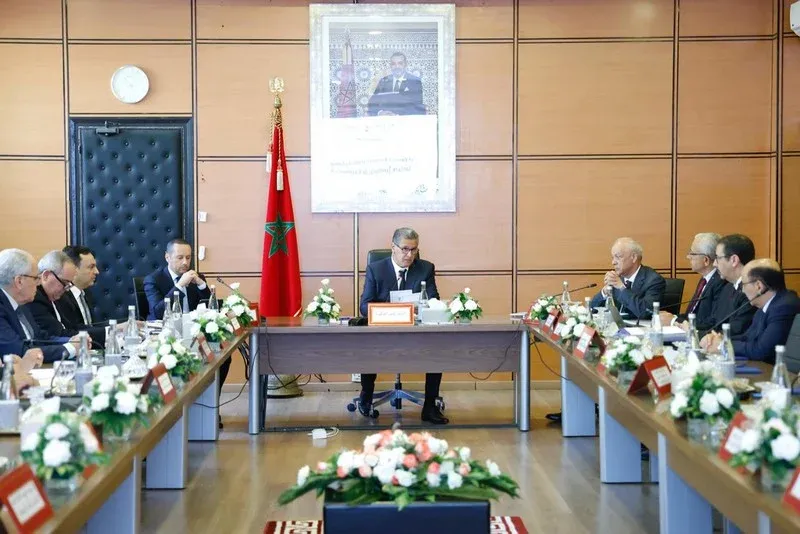
On Wednesday, the Prime Minister, Aziz Akhannouch, chaired the inaugural board meeting of the regional health group in the Casablanca-Settat region, marking the sixth such initiative across the nation. This initiative comes after similar boards were established in other regions including Tangier-Tetouan-Al Hoceima, Rabat-Salé-Kénitra, Souss-Massa, Laâyoune-Sakia El Hamra, and Fes-Meknes. This move forms part of a broader strategy to implement reforms within Morocco's national healthcare system, as well as to expand the model of regional health groups across various provinces in adherence to the royal directives aimed at improving public health services.
The Prime Minister emphasized that the establishment of this board aligns with the high-level instructions from His Majesty the King, which seek to create a health system that is more accessible, equitable, and of higher quality. He underscored that enhancing regional governance in the healthcare sector is a strategic option for the government and a fundamental pillar in the reform of the national health system, complementing the efforts to broaden social protection and provide comprehensive health coverage.
Strategic Goals and Integration of Healthcare Services
During the meeting, the council reviewed and discussed the operational program of the regional health group, alongside the proposed budget for the year 2026 and essential decisions to kickstart its operations. The approval of these projects sets the groundwork for an integrated regional management of health services, focusing on planning, coordination, and improving the quality of care provided to citizens.
The operational program of the health group aims to establish effective regional governance, ensure a smooth transition, continue the rehabilitation of health infrastructures, organize treatment pathways, and enhance integration among primary healthcare institutions, regional hospitals, and university medical centers. This integration is intended to improve patient journeys and bring healthcare services closer to the population.
Additionally, the council highlighted the crucial role of the Ibn Rushd University Hospital in Casablanca, recognized as a national reference institution for specialized and advanced medical care, as well as a significant center for training, scientific research, and medical innovation. There is a pressing need to develop university hospital services in the region to meet the population's healthcare needs and expectations.
The meeting also reaffirmed the launch of a new university hospital complex in Casablanca, aimed at bolstering health services in the Casablanca-Settat region, improving access to treatments, and enhancing the quality of care provided to citizens. The importance of human health resources was underscored, as they are vital for the success of this transition. This involves mobilizing medical, nursing, and administrative competencies, improving working conditions, and enhancing training opportunities to effectively address the needs of health institutions within the region.
In this context, the council acknowledged the pivotal position of primary healthcare institutions within the new model, serving as the first point of access to the healthcare system, and acting as a primary lever for prevention, early detection, and management of chronic diseases, ultimately reducing pressure on hospitals and bringing services closer to citizens.
The importance of incorporating digital transformation into this initiative was also emphasized, as it serves as a catalyst for simplifying processes, enhancing coordination between health institutions, and facilitating patient journeys within the regional healthcare system. Digitalization should be viewed not as an end in itself but as a means to enhance the efficiency of the healthcare system and improve service quality.
Given the demographic and strategic significance of the Casablanca-Settat region, which is home to over 7.6 million people—approximately 21% of the national population—this initiative holds particular importance. The region faces high levels of urbanization and increasing pressure on health services, especially in major hospitals and specialized facilities.
Currently, the region boasts a substantial public health offering, comprising 376 primary healthcare facilities, along with a network of university, regional, and local hospitals, totaling nearly 4,943 public hospital beds. However, the diversity and volume of healthcare needs necessitate a transition to a more coordinated and effective management approach that ensures service integration across various levels of care.
Notably, this meeting was attended by various ministers, including the Minister of Health and Social Protection, the Minister of Economic Inclusion and Small Enterprises, the Minister of Higher Education, Scientific Research and Innovation, the delegate minister responsible for National Defense Administration, the Wali of the Casablanca-Settat region, the President of the Casablanca-Settat Regional Council, the Director General of the regional health group in Casablanca-Settat, and the Director General of the National Social Security Fund.
As reported by hespress.com.