
Examining the CAF Appeal Board's Controversial Ruling
The recent decision by the CAF Appeal Board regarding the AFCON 2025 final, which saw Morocco face off against Senegal, has sparked a wave of critical legal scrutiny within the framework of international sports law. This ruling is not merely a matter of sports governance; it raises profound concerns about adherence to established regulations laid out by the Confederation of African Football (CAF), the FIFA Laws of the Game, and the jurisprudence of the Court of Arbitration for Sport (CAS). Critics of the ruling argue that it deviates significantly from these norms, thereby undermining the foundational principles of legal certainty, proportionality, and sporting integrity.
Within the realm of football governance, a robust legal framework exists, encompassing the CAF Africa Cup of Nations Regulations, the CAF Disciplinary Code, and the FIFA Disciplinary Code (2023 Edition). The FIFA Laws of the Game are essential tools that ensure fair play and standardization across international matches. Interpretation of these regulations is guided by the CAS, which serves as the ultimate authority on disputes within the sport. However, the Appeal Board's ruling in the Morocco vs. Senegal match is perceived as a significant departure from these established legal standards, raising questions about its validity and implications.
Legal Analysis of the CAF Regulations
The crux of the legal argument rests on Articles 82 and 84 of the AFCON Regulations. Article 82 stipulates that a team shall be considered a loser and eliminated from the competition if it withdraws, fails to report for a match, refuses to play, or leaves the field without the referee's authorization. Article 84 further clarifies that a team contravening these provisions will incur a 3-0 loss unless the opponent has already secured a more favorable result at the time of the match interruption. These articles are intended to address severe breaches of conduct, such as abandonment or refusal to play, and impose stringent penalties accordingly.
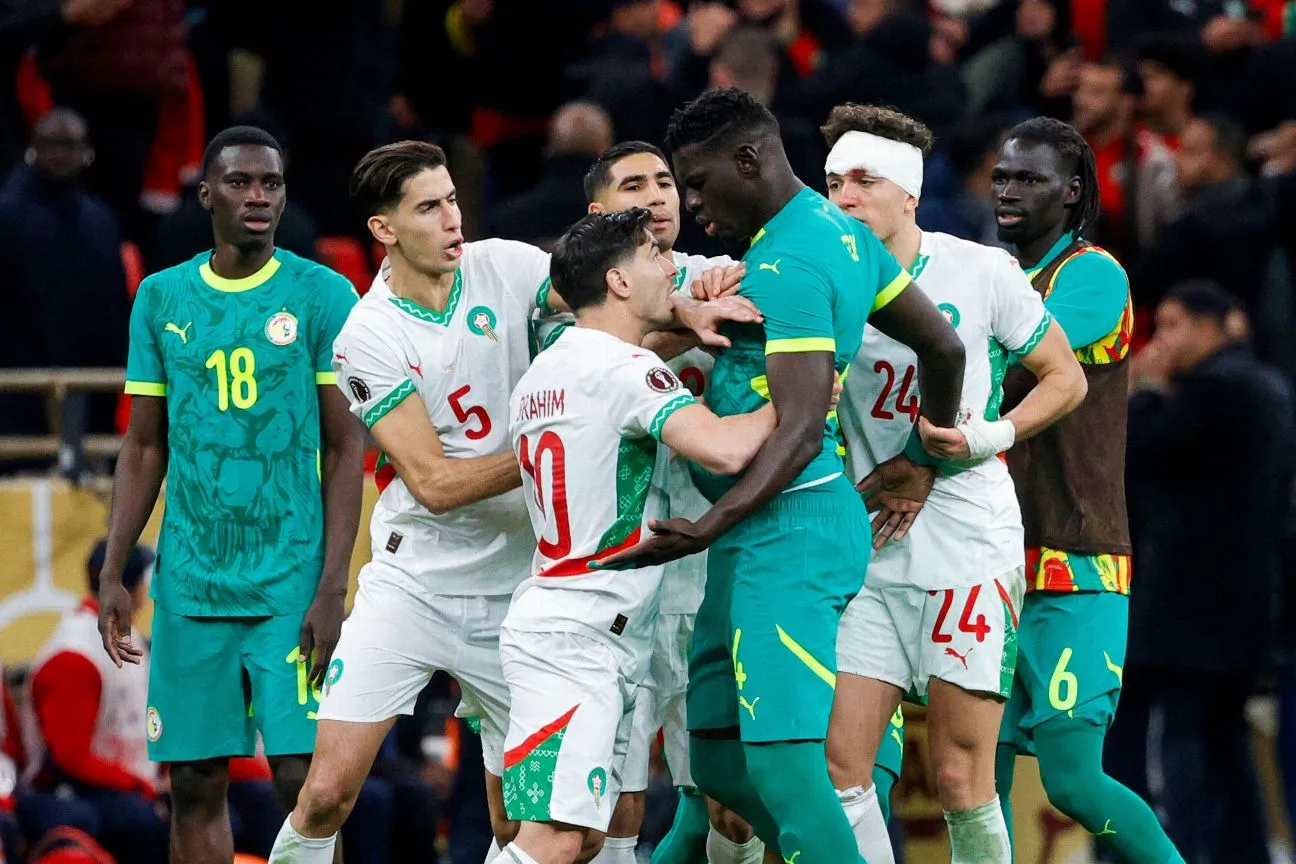
In the case at hand, the match in question experienced a temporary interruption due to protests but resumed with players returning to the field and the referee concluding the game. This sequence of events does not meet the criteria for abandonment as defined by CAF and FIFA regulations, which differentiate between temporary disruptions and definitive non-completions of matches. The relevant provisions from the FIFA Disciplinary Code affirm that forfeiture is applicable only in situations where a match is not completed due to serious infractions attributable to a team. Therefore, the application of Articles 82 and 84 to a match that was legally completed is not only unwarranted but fundamentally flawed.
The CAF Appeal Board's decision, therefore, appears to stem from a misinterpretation of these clear regulatory provisions. The jurisprudence from CAS consistently emphasizes that the decisions made by referees regarding match conduct—including completion, timekeeping, and disciplinary actions—are final and should not be retroactively altered in the absence of compelling legal justification. The Board’s ruling not only misapplies these regulations but also extends beyond its jurisdiction, raising concerns about the integrity of football governance as a whole.
In conclusion, the CAF Appeal Board’s decision regarding the AFCON 2025 final is fraught with legal inconsistencies and misapplications of established regulations. By disregarding the specific circumstances under which Articles 82 and 84 apply, the Board has introduced a precedent that threatens the stability of match outcomes and undermines the authority of referees. Upholding the integrity of the sport requires adherence to legal certainty and the principles of proportionality, suggesting that any misconduct should be addressed through appropriate disciplinary measures rather than the extreme sanction of match forfeiture.
As reported by myjoyonline.com.