Overview of the Legal Case
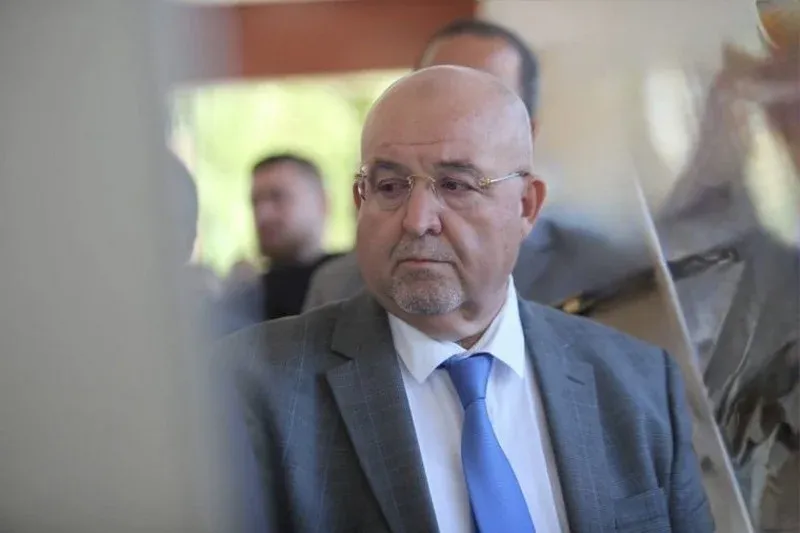
On Friday, April 10, 2026, Abdelilah Baaziz, the President of the Regional Council of Taza and a member of the National Rally of Independents party, appeared before the misdemeanor chamber of the court in Fes. His appearance was prompted by serious allegations of forgery and tax fraud, leading to his arrest. This legal proceeding has drawn significant attention, as it involves a total of twelve defendants, including Baaziz himself, who are implicated in a case that raises questions about governance and accountability in local administration.
Details of the Charges and Court Proceedings
The court session, presided over by Judge Abdelmajid Bouzani, was adjourned until April 17 to allow the defense team adequate time to prepare and review the case documentation. During the hearing, defense representatives requested the temporary release of the accused based on their willingness to meet all attendance guarantees and financial bail requirements. However, the public prosecutor opposed this request, leaving the final decision to the court’s discretion.
The public prosecutor's office in Fes has taken action against a total of twelve individuals, led by the Taza Regional Council President. This followed complaints from twelve victims and testimonies from eight witnesses. According to the case documentation, the prosecutor has charged Baaziz with a range of serious offenses including fraud, forgery of public documents, commercial fraud, and tax evasion through the submission of fictitious invoices. Other defendants face similar charges, with accusations of fraud and the use of forged documents being prevalent across the board.
For instance, defendant B.R. is facing charges of fraud, use of forged commercial documents, and tax evasion, while another defendant, B.J., is charged with fraud and forgery of public documents. The complexity of these allegations not only highlights potential misconduct within the council but also underscores the broader implications for public trust in local governance.
This case is a critical moment for Taza’s governance landscape, as it raises essential questions about ethical standards and accountability among elected officials. The developments in this case will be closely monitored by the public and could set important legal precedents regarding the conduct of public servants.
As reported by hespress.com.