
Legal Developments Surrounding the Fes Building Collapse
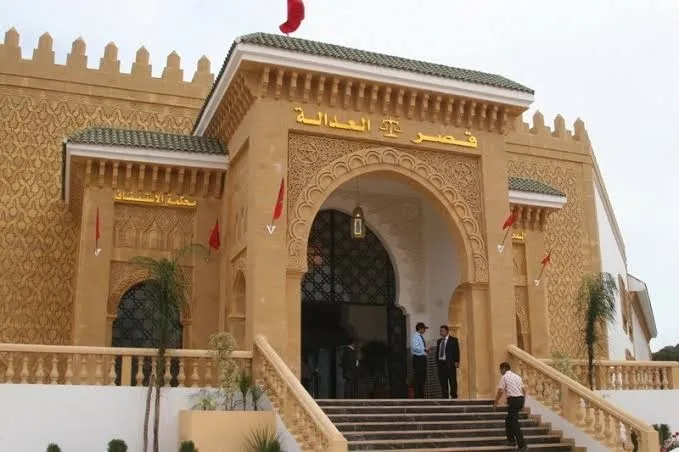
The tragic collapse of two buildings in the "Al-Mustaqbal" neighborhood of the Al-Masira district in Fes has once again drawn significant attention, particularly following the decision by the Criminal Chamber of the Court of Appeal in Fes on Tuesday, September 8, to postpone the trial of the accused until September 29. This development extends the judicial process regarding one of the most devastating architectural tragedies that has impacted the scientific capital in recent years. The collapse, which occurred in December 2025, resulted in the deaths of 22 individuals and left 16 others injured. Investigations have implicated elected officials, employees, authority assistants, engineers, and contractors.
The postponement of the trial was not indicative of any changes to the core aspects of the case or a reduction in charges, but rather a measure to allow the defendants time to appoint their legal representatives. This delay comes in light of the continued absence of lawyers due to their ongoing strike against recent legal profession reforms. The case involves eight defendants currently in detention and 11 others released, including the head of the Zouagha district, Ismail Al-Jai Al-Mansouri, and his deputies, as per the information released following Tuesday's session.
The Broader Implications of the Case
Notably, the name of Ismail Al-Jai Al-Mansouri resurfaced prominently during the recent court session, especially as he has been one of the officials under investigation since the early stages of the inquiry. Al-Mansouri, an elected member of the Istiqlal Party, along with his deputies, Abdullah Al-Hadaf of the National Rally of Independents and Al-Khamar Samouh of the Authenticity and Modernity Party, has faced scrutiny alongside municipal employees, authority assistants, engineers, and contractors. The investigating judge decided to pursue charges against the district head and his deputies while remanding eight individuals to local detention.
The situation surrounding the district head is particularly sensitive given his political and administrative standing; he was elected as the head of the Zouagha District Council in September 2021, with significant backing from a coalition he previously led. He is also known for his involvement in sports activities and has held various responsibilities related to local sports teams prior to his current position. However, the case at hand transcends mere political disagreements within the district council; it pertains to a legal matter tied to a human tragedy that resulted in numerous victims.
According to previously disclosed information from the public prosecution, technical and judicial investigations revealed evidence of unlawful construction practices, including the addition of extra floors without appropriate permits, the use of second-hand construction materials, and the illegal transfer of what is known as "air rights." Furthermore, there were instances of issuing sales contracts and residential certificates under conditions deemed in violation of legal standards. Consequently, 21 individuals have been charged with offenses including involuntary manslaughter, bribery, and the illicit management of public funds.
This case extends beyond mere construction accountability; it aims to unravel the web of administrative and technical responsibilities surrounding the collapsed buildings. This explains the broadening scope of those being prosecuted to include elected officials, authority assistants, employees, engineers, contractors, and intermediaries. Thus, the upcoming trial on September 29 is more than just a legal proceeding; it is a significant judicial test to determine if individual, administrative, and technical responsibilities converge, each contributing to the disaster.
As the public eagerly anticipates the next court session, the pressing questions remain: How were these additional floors constructed? How were the properties transferred and related documents issued? Who was responsible for overseeing compliance with safety and construction regulations? Most importantly, was the tragedy the result of isolated individual errors, or will the investigation reveal a systemic failure of intertwined responsibilities? These inquiries are increasingly pertinent as they relate to the collapse of two buildings rather than a minor incident, with victims who paid the ultimate price for potential failures in the construction and oversight system.
Ultimately, the most significant outcome of this case should not only be the issuance of judgments against those found responsible but also the transformation of this tragedy into a pivotal moment for monitoring construction practices in Fes. This is crucial to prevent violations that begin with a permit or an extra floor from culminating in tragedies that claim lives. The loss of 22 lives is not merely a statistic in a legal dossier; it represents souls, families, and a city still waiting for clear answers regarding accountability.
As reported by fes24.com.