
Understanding the International Repercussions of the Ceuta Events
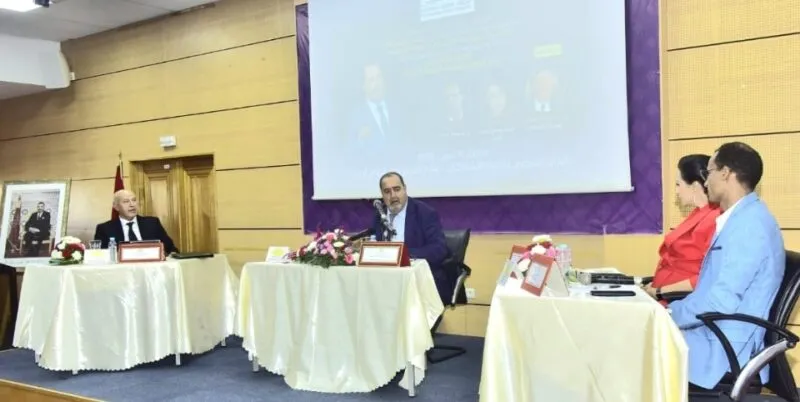
Idris Leshker, the First Secretary of the Socialist Union of Popular Forces, recently addressed the significant international backlash that Morocco has faced following the events in the regions of Fnideq and Ceuta. He indicated that these incidents have ignited what he describes as an "international assault" on Morocco, particularly from several European socialist parties that have publicly issued statements regarding the situation. During a meeting organized by the Al-Faqih Al-Tetouani Foundation, Leshker elaborated on the implications of this international response, emphasizing that as a member of the Socialist International, the Socialist Union is obliged to respond to these international critiques. He argued that some of the statements made have exceeded the immediate context of the events, introducing broader political dimensions into the discourse.
The Observations and Concerns of Leshker
Leshker shared his personal observations from his recent visit to the region, where he attended the Throne Day celebrations in Mdiq. He noted a significant number of young individuals and children heading towards Ceuta, expressing that what he witnessed did not reflect conditions of famine or catastrophic humanitarian crises. Instead, he described the individuals as ordinary citizens, noting their attire and the smartphones they possessed. This firsthand experience led him to approach the narratives surrounding these events with caution, particularly those that rushed to assign blame before the complete picture emerged. Furthermore, Leshker criticized the lack of official communication regarding these events, questioning why the government or local authorities had not provided clarifications to the public. He expressed concern that the absence of official information allows alternative narratives to shape international perceptions of Morocco, especially given the extensive media coverage of the incidents in Fnideq and Ceuta.
As reported by alyaoum24.com.