
Historic Low Voter Engagement in Moroccan Elections
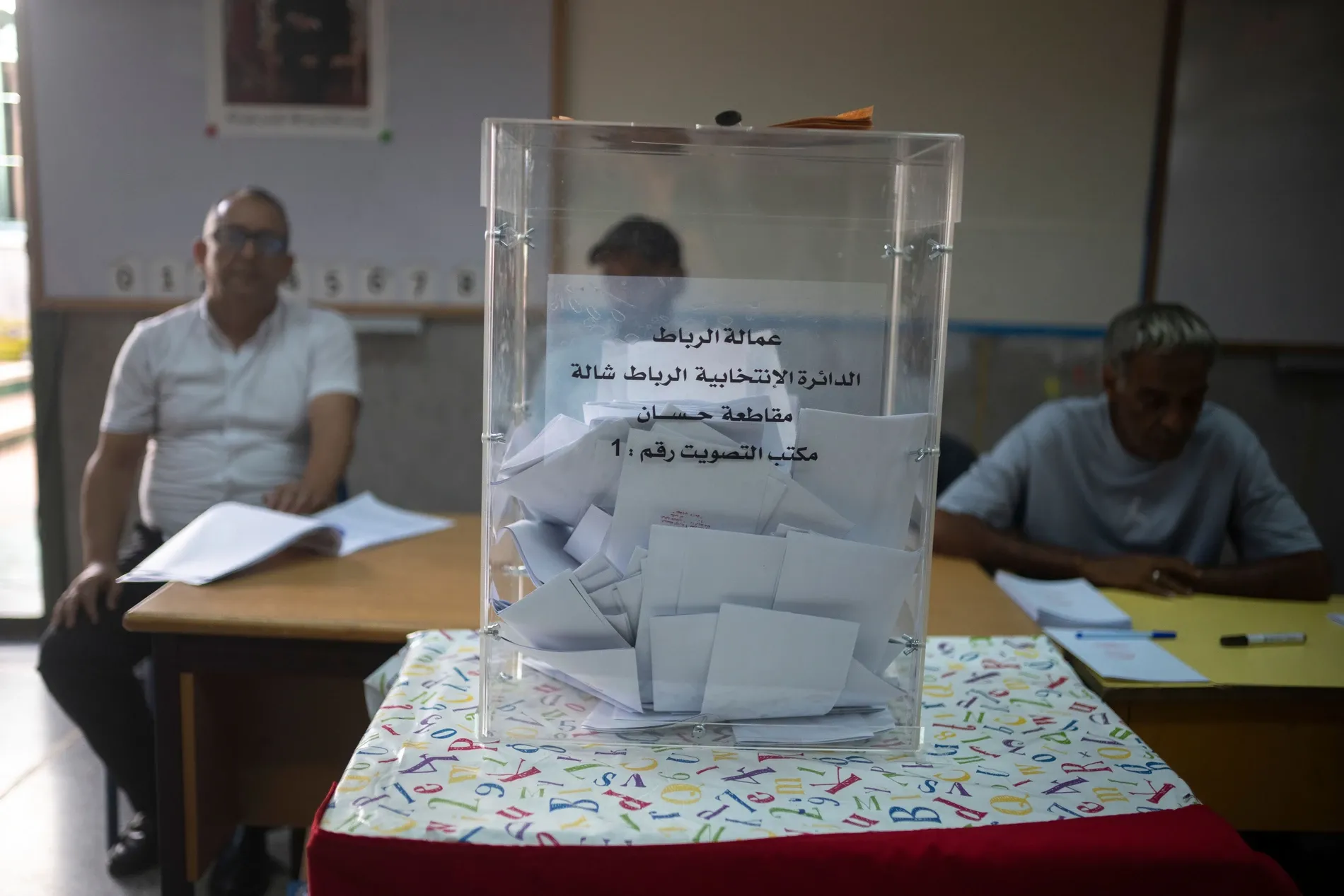
The recent parliamentary elections in Morocco have revealed a concerning trend: the voter turnout has plummeted to its lowest level in nearly two decades. With only 38 percent of registered voters participating, it is evident that a significant portion of the electorate is disillusioned with the political process. This statistic only accounts for the approximately 15.8 million citizens who registered to vote, and when considering the total eligible voter population of 26.7 million, the turnout rate drops even further to a mere 22 percent. The youth demographic, in particular, has expressed profound frustration, as many young Moroccans grapple with high unemployment rates and a pervasive sense of distrust toward political parties and public institutions.
Election Results and Political Implications
In the recent elections, the monarchist Party of Authenticity and Modernity (PAM) emerged as the leading party, securing 97 out of 395 seats in the parliament. They were closely followed by the center-right parties RNI and Istiqlal, which won 66 and 65 seats, respectively. However, with no party achieving an absolute majority, coalition negotiations are set to commence in this North African nation. The moderate Islamist Justice and Development Party (PJD), which suffered a severe defeat in the 2021 elections, made a notable comeback by winning 54 seats, demonstrating the fluctuating landscape of Moroccan politics.
The political apathy among the youth has been exacerbated by the perception that real power lies predominantly with King Mohammed VI, overshadowing the elected government and parliamentary bodies. This sentiment was evident last year when thousands of young Moroccans took to the streets to protest against public spending cuts, demanding urgent reforms in education and healthcare, which they believe have been neglected. These protests led to hundreds of arrests and, in some instances, tragic fatalities.
As reported by faz.net.