Morocco's Legislative Elections: A Reflection of Discontent
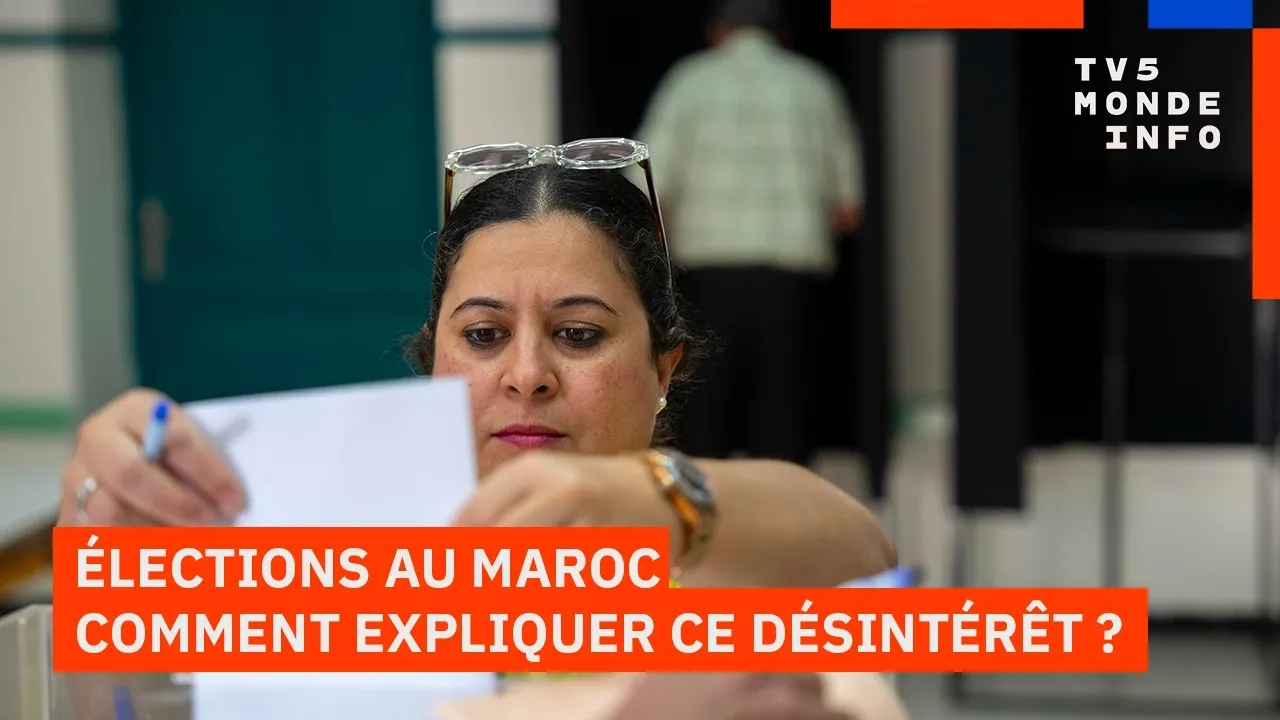
On a recent election day in Morocco, approximately 41,000 polling stations closed their doors as citizens participated in legislative elections characterized by alarmingly low voter turnout and heightened security measures at the borders with Ceuta and Melilla. The Moroccan government reinforced security protocols in response to fears of mass crossings into these Spanish territories, a concern heightened by a recent migration crisis that saw tens of thousands attempting to enter Ceuta in late July. Despite the significance of these elections, where all 395 seats in the House of Representatives are contested for the next five years, the participation rate was reported at just 28.05%—a stark decline of nearly eight percentage points compared to the same time during the 2021 elections.
This low turnout highlights a pervasive distrust in the political system among the population. With only 15.8 million registered voters in a country with an estimated eligible voting population of 28 million, the lack of engagement signals deeper issues within the Moroccan political landscape. The elections are crucial as they will determine which party will lead the next government, but the evident disinterest poses questions about the electorate's confidence in their leaders and the electoral process itself.
The Political Landscape and Economic Context
Morocco operates under a constitutional monarchy, with King Mohamed VI holding significant political and religious authority. Citizens are voting to fill the 395 seats in the House of Representatives through a proportional representation system, which includes 305 seats allocated to local constituencies and 90 to regional ones. Following the election results, the king will appoint the head of government from the leading party, a choice that does not require the selected individual to have been a candidate in the elections.
The current ruling coalition comprises the National Rally of Independents (RNI), led by Prime Minister Aziz Ajanuch, along with Authenticity and Modernity (PAM) and the Istiqlal party. The primary opposition force is the Islamist Justice and Development Party (PJD), which previously held power for a decade. The need for coalition-building reflects the fragmented nature of Moroccan politics, where various interests must be negotiated to form a stable government.
While Morocco's economy has been expanding—recording a GDP growth of 4.9% in 2025 with projections of 4.2% for the current year—this growth has not translated into sufficient job creation. Unemployment rates reached 13% overall, with youth unemployment significantly higher at 37.2% among those aged 15 to 24. The minimum wage hovers around 340 euros monthly, contributing to financial struggles for many households. Nearly 40% of families report incurring debt to meet their expenses, and a vast majority feel their standard of living has declined.
The gap between the nation’s economic progress and the day-to-day realities faced by many citizens has fueled demands for reform, particularly among the youth. The GENZ212 movement emerged last year, advocating for improvements in healthcare, education, and job opportunities. This discontent is further exacerbated by the ongoing migration crisis, where many young Moroccans express a strong desire to emigrate in search of better prospects.
As these legislative elections unfold against a backdrop of social unrest and economic challenge, the Moroccan people remain skeptical. The low voter turnout serves as a barometer of the general dissatisfaction, particularly among the youth, who have been vocal in their demands for change. A university student named Adam succinctly expressed the hopes of his generation: "Work and freedom." In contrast, Amina, a 52-year-old, shared her resignation about the political process, stating, "Nothing will change. No one can assure me I will make it to the end of the month." Amidst these sentiments, the Moroccan government faces the daunting challenge of restoring trust in its political system.
As reported by france24.com.