
Madrid's Quest for World Cup Glory
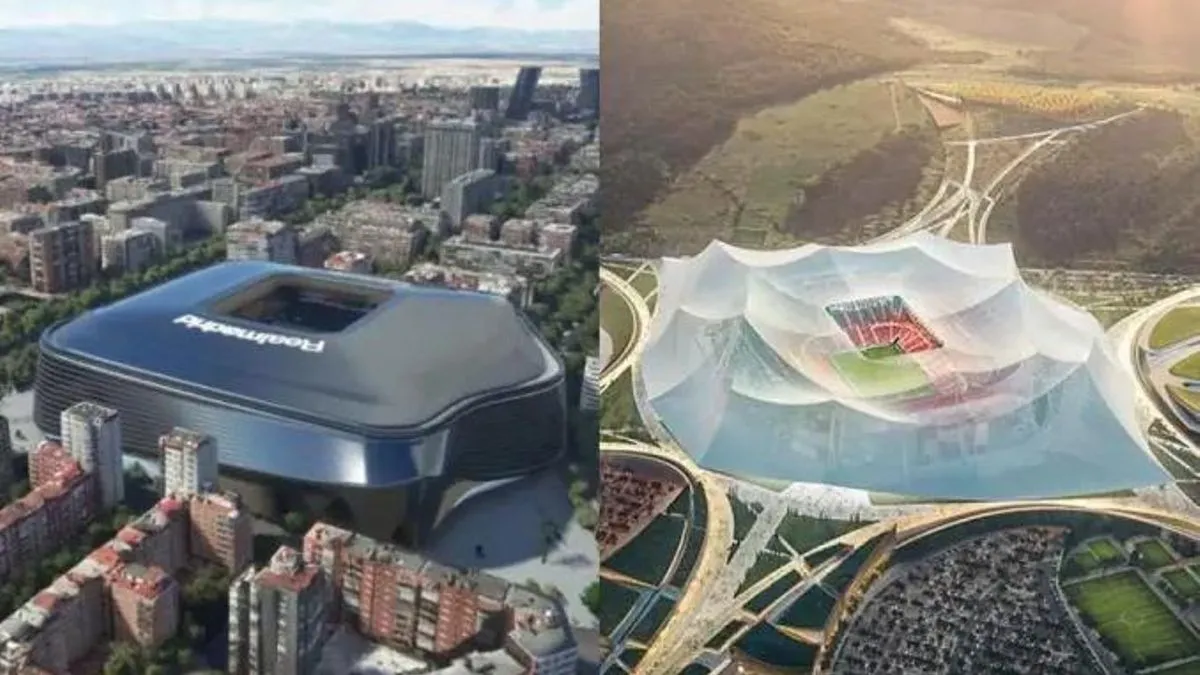
The anticipation surrounding the 2030 FIFA World Cup is palpable, especially as it promises to be a landmark event not just in terms of football but also in commercial, tourism, and advertising opportunities. The final match will not only crown the world's best national team but will also leave a lasting legacy that shapes the future of the tournament. In this context, Spain is set to co-host the event alongside five other nations, with Madrid ambitiously positioning itself as the leading city for the final. This has sparked a competitive race against Morocco, which has launched a formidable bid, and to a lesser extent, against Barcelona's Camp Nou, which appears to lag behind in the contest. The rivalry extends beyond the pitch, intertwining with geopolitical aspects that underscore the significance of this global sporting event.
Spain's Strong Stance on Hosting the Final
Rafael Louzán, the president of the Royal Spanish Football Federation, made a bold declaration in January during the Madrid Sports Awards Gala, asserting that Spain has already secured its role as the host nation for the 2030 World Cup final. He stated unequivocally, "Spain will lead the charge, and the final will be held here, marking the centenary of the tournament." These strong statements were intended to put to rest an ongoing debate fraught with complexities, including the selection of the eleven Spanish host cities, which has been marred by allegations of favoritism and arbitrary designations. As the countdown to this historic event continues, Madrid's ambitions and Morocco's challenge will undoubtedly captivate the attention of football fans worldwide.
As reported by eldiario.es.