
Maersk's Strategic Rail Link in Morocco
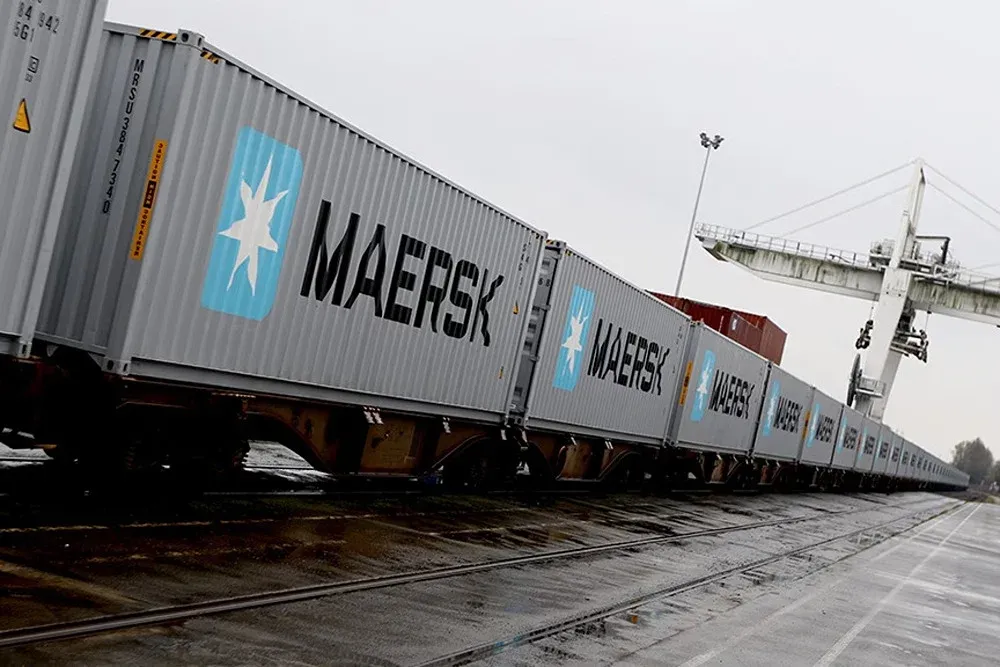
Maersk, the renowned Danish shipping company, is significantly enhancing its logistics framework in Morocco by establishing a high-frequency rail connection between Tangier and Casablanca. This strategic initiative aims to synergize the maritime prowess of Tangier Med with the industrial and commercial weight of Casablanca, which is recognized as Morocco's economic hub. This development comes amidst a surge in port volumes and increasing pressure on existing infrastructure, necessitating innovative solutions.
Streamlining Supply Chains with Enhanced Connectivity
The logistics blueprint set forth by Maersk is evolving to meet the demands of the growing market. Since August 14, the newly operational rail link has been designed to optimize the flow of goods, providing regular departures and more predictable transit times. This initiative is not merely a transport upgrade; it signifies a broader reorganization of supply chain circuits, leveraging Tangier's strong maritime connectivity as a gateway for goods entering Morocco, which are then efficiently transported by rail to Casablanca, the nation's principal industrial and commercial hub.
Current data shared by Maersk indicates that the port of Casablanca handled an impressive 17 million tons of freight in the first half of 2026, with June alone accounting for 3.53 million tons—a remarkable 32% increase year-on-year. This concentration of activity highlights Casablanca's pivotal role in the Moroccan economy while simultaneously revealing significant capacity constraints within the logistics chain. Regular congestion and limited flexibility have been highlighted as key challenges, prompting Maersk to adopt this rail solution that redistributes traffic and separates the maritime entry point from the ultimate economic destination.
The fundamental principle of this logistics strategy lies in the complementary strengths of both Tangier and Casablanca. Tangier boasts close connections to major international maritime routes, while Casablanca functions as a vital industrial and commercial center. The rail system effectively bridges these two functions, facilitating the overland transport of goods within a cohesive framework. Moreover, Maersk's offerings extend beyond just rail transport; the company provides a comprehensive logistics chain encompassing various stages—from the arrival of goods in Tangier to their final delivery. This integrated service includes maritime transport, rail transit to Casablanca, customs clearance, domestic storage, and truck delivery.
For shippers, this restructured organization promises enhanced visibility regarding delivery timelines, thereby simplifying stock and supply management. Additionally, it presents opportunities to diversify transport routes between Morocco and Europe, reducing reliance on a single transport mode or entry point. Ruben Moratinos, Head of Sales Maghreb at Maersk, emphasizes, "By connecting Tangier and Casablanca, we are creating a simpler means of transporting goods to Morocco's main commercial center." He further highlights the increased access to international trade flows and the diversification of supply chains for businesses operating within the region.
The significance of this initiative transcends the mere introduction of an additional rail connection. It represents a pivotal evolution in logistics chains, where port performance is increasingly contingent upon the ability to swiftly transport goods to key production and consumption centers.
As reported by fr.hespress.com.