Transformative Infrastructure Initiatives in Marrakech
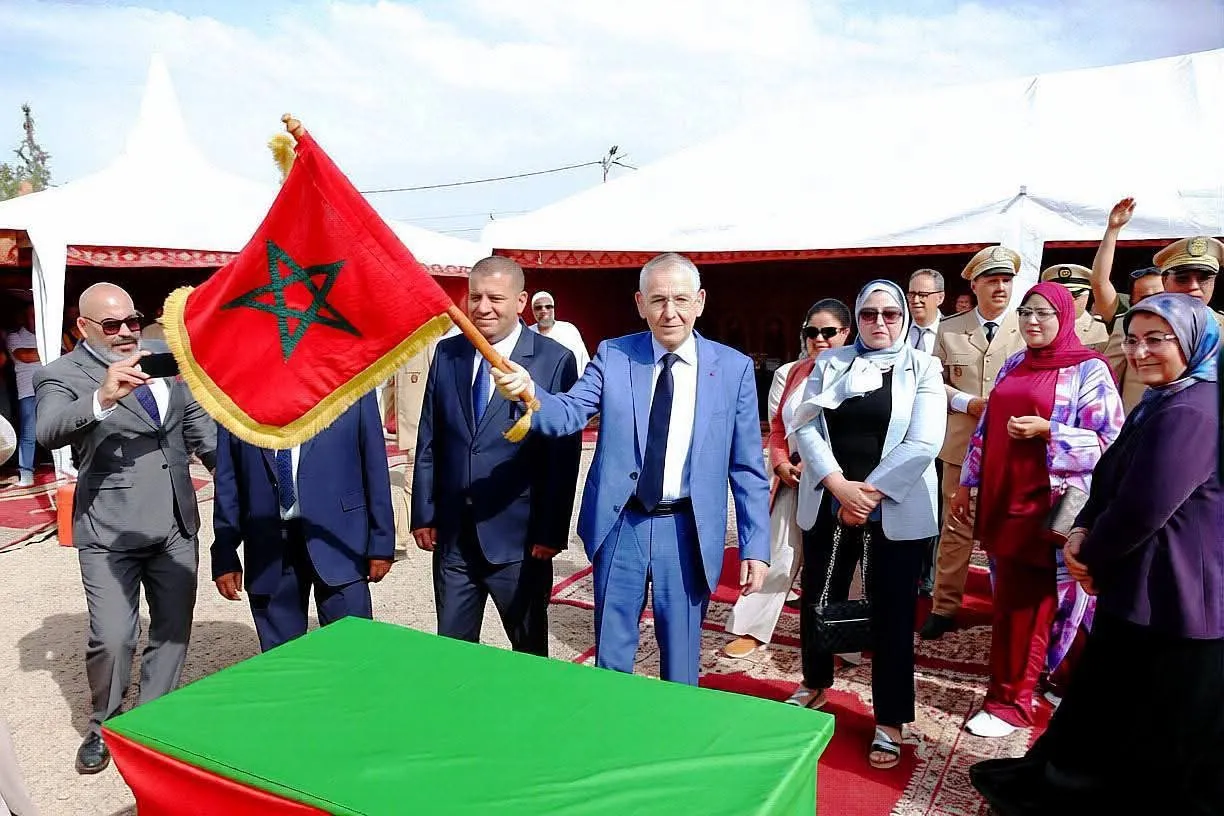
In celebration of the 27th anniversary of His Majesty King Mohammed VI's ascension to the throne, the Governor of the Marrakech-Safi region, along with other local officials, inaugurated a series of essential development projects on Monday, July 27th. These initiatives are taking place in the municipalities of Tassaltant, Ait Imour, and Harbil, and are designed to enhance the region's infrastructure and public service quality. The event was attended by numerous elected officials, heads of security services, and representatives of decentralized authorities, reflecting a strong commitment to regional development.
The launched projects are part of a broader developmental dynamic aiming to improve basic infrastructure, elevate public service quality, and enhance living conditions for residents. This effort is particularly crucial given the rapid urban and demographic growth that the region is experiencing, necessitating an immediate response to the evolving needs of the community.
Key Projects and Their Impact
Among the highlighted projects is a substantial infrastructure initiative in the municipality of Tassaltant, which has a total cost of 93 million dirhams. This project focuses on establishing a comprehensive drinking water supply network and a wastewater drainage system. It encompasses the urgent phase of the drinking water network in the eastern region, alongside the construction of significant drainage channels. This initiative is expected to fortify the essential services related to water supply and sanitation, thereby improving access to these vital services and supporting sustainable urban development.
In Ait Imour, the Governor oversaw the commencement of road construction linking National Road No. 8 to Provincial Road No. 2700 via the Ben Hamida area, stretching over 5.1 kilometers with an investment of approximately 7 million dirhams. This road project aims to enhance connectivity, alleviate isolation for local populations, facilitate access to essential services, and bolster economic activity, ultimately contributing to regional integration.
In the healthcare sector, the inauguration of a primary healthcare center in Harbil, with a total investment of 2.6 million dirhams, marks a significant step toward improving access to primary and preventive healthcare services for citizens. This center aims to enhance medical care quality and ensure that healthcare services are accessible to the population, thereby promoting better health outcomes in the region.
Overall, the total investment for these projects amounts to approximately 102.6 million dirhams, funded through a partnership involving the regional multi-service company of Marrakech-Safi, the Marrakech-Safi Regional Council, and the program aimed at reducing social and spatial disparities. Specialized departments will oversee the implementation stages to ensure that the projects meet established standards and achieve the desired developmental objectives.
These developmental efforts reflect a continued commitment to strengthening infrastructure, improving essential services, and enhancing the attractiveness of local areas. This aligns with the royal directives advocating for comprehensive and sustainable development, aimed at minimizing social and spatial inequalities while addressing citizens' aspirations and enhancing development indicators in the Marrakech-Safi region.
As reported by jamaalfnapress.ma.