
Spain's Bold Move Against Human Smuggling
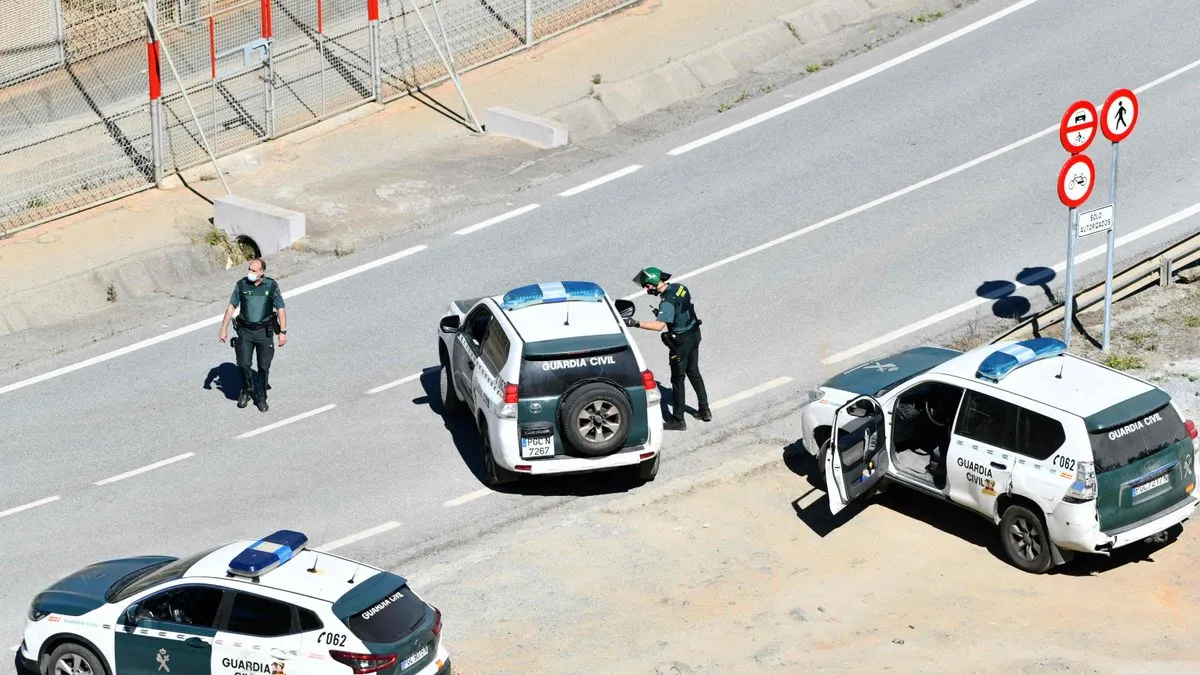
In a significant crackdown, Spanish authorities have dismantled one of the largest human smuggling rings operating in the Mediterranean region, leading to the arrest of 78 individuals. This operation, spearheaded by the Guardia Civil, revealed a network that has reportedly facilitated the illegal entry of over 2,000 migrants into Spain, alongside the smuggling of synthetic drugs. The police described this organization as one of the most complex and dangerous criminal entities uncovered to date in the area.
The investigation, which involved coordination with Europol and law enforcement agencies from France, Portugal, and Poland, culminated in the seizure of 18 fast boats believed to be used for transporting both drugs and migrants. The smuggling ring operated by charging migrants exorbitant fees—up to €12,000 per person—and generating an estimated profit of €24 million from at least 64 trips. The dangers faced by migrants during these crossings were immense; they were often transported in overcrowded boats, navigating perilous waters without adequate safety measures, including life jackets.
Current Migration Trends and Challenges
Spain has observed a notable shift in migration patterns, as arrivals via the Canary Islands have declined while those arriving from Algeria have surged. Recently, around 72,000 individuals attempted to enter the Spanish exclave of Ceuta, resulting in tragic losses, including the deaths of 80 migrants. Although many refugees left Ceuta shortly after their arrival, approximately 2,000 remain stranded there, most of whom are children and teenagers, facing severe shortages of food, water, and shelter.
As reported by spiegel.de.