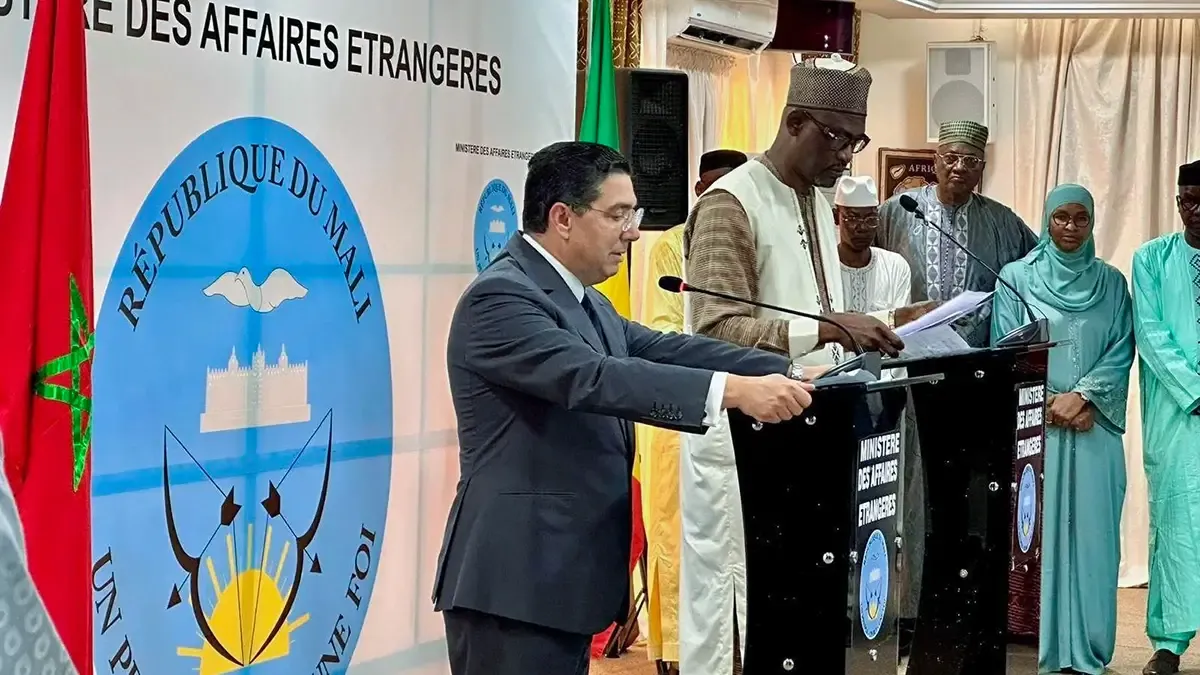

Mali's recent decision to retract its recognition of the ‘RASD’ and endorse Morocco's autonomy plan signifies a pivotal moment in the region’s diplomatic landscape. This shift is emblematic of a broader trend within the Sahel, where nations are reevaluating their strategic priorities and the dynamics of regional power. Under the guidance of King Mohammed VI, Morocco has established a diplomatic doctrine that seeks to affirm its sovereignty while promoting stability and integration across the region.
The significance of Mali's stance is underscored by the adoption of United Nations Security Council Resolution 2797, which has fundamentally altered the trajectory of negotiations surrounding the Sahara conflict. This resolution effectively renders the option of a referendum obsolete, positioning the Moroccan autonomy initiative as the cornerstone of future discussions. By doing so, it not only sets the parameters for the political process but also indicates a decisive shift towards pragmatic solutions over theoretical debates. The focus is now on operationalizing governance and facilitating stability within a framework that resonates with current geopolitical realities.
As the international community increasingly rallies around Morocco's autonomy proposal, it is evident that a new consensus is forming—one that prioritizes territorial governance, stability, and regional integration. This consensus is further bolstered by the recent diplomatic engagements of countries like Egypt and Kenya, which advocate for a stabilizing approach to regional issues. Mali's support for Morocco's initiative not only reinforces this evolving landscape but also signifies a commitment to a long-term, viable resolution to the conflict.
The diplomatic alignment between Morocco and Mali reflects a strategic vision that seeks to redefine the Sahel-Atlantic region through enhanced cooperation. This vision emphasizes the importance of securing trade routes, establishing connections between economies, and addressing security concerns collaboratively. It marks a departure from fragmented approaches, favoring a model that fosters functional integration and tangible outcomes in terms of stability and development.
In addition, Mali's alignment with Morocco's autonomy plan challenges competing frameworks, particularly the Algerian-Polisario arrangement, by diminishing its relevance in the current geopolitical context. This shift highlights the increasing difficulty faced by resistance-based models that oppose constructive solutions, thereby reframing the balance of power in favor of strategic effectiveness. The conversation surrounding sovereignty is evolving, moving away from mere territorial claims toward a discourse focused on the ability to create viable governance structures that uphold the principles of international law, as encapsulated in Resolution 2797.
Ultimately, this strategic shift not only sets the stage for a reconfiguration of regional dynamics but also opens new avenues for African states to reposition themselves in a way that enhances their diplomatic maneuverability. The precedent set by Mali's decision could encourage other nations to adopt similar stances, fostering a climate of cooperation that prioritizes stability, integration, and shared aspirations for a common future.
As the Moroccan Sahara and Mali navigate this moment of strategic truth, it is clear that geography is regaining its significance in shaping political realities. The southern provinces of Morocco are emerging as crucial nodes at the intersection of flow control and continental influence, positioning themselves as integral components of a larger Sahel-Atlantic framework. This initiative is not merely about territorial claims; it is about organizing space, securing trade, and ensuring strategic continuity across interconnected regions.
In conclusion, Mali's endorsement of Morocco's autonomy plan represents a significant geostrategic shift, where sovereignty is redefined not just in terms of territory but in its capacity to serve as a lever of power that fosters cooperation and stability. As Mediterranean and Atlantic leaders look to bridge cultures and improve understanding, this evolving dynamic reflects a transformative era in regional diplomacy.
As reported by atalayar.com.