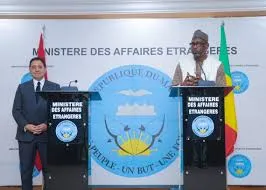

Mali's Endorsement of Morocco's Autonomy Plan in Western Sahara
The geopolitical landscape in North Africa is undergoing significant transformations, particularly with Mali's recent endorsement of Morocco's autonomy plan for Western Sahara. This decision raises crucial questions about Mali's diplomatic strategy and its implications for regional relations, especially with Algeria, which has historically opposed Moroccan claims over the disputed territory. The support for Morocco's initiative marks a pivotal change in Mali's foreign policy, potentially signaling a shift in alliances across the Sahel region.
During a recent episode of "Face to Face," experts discussed the repercussions of Mali's decision to back Morocco's proposal. This support could be viewed as a strategic move to provoke Algeria amidst ongoing tensions between the two nations. Analysts speculate whether this endorsement might prompt other African countries to reconsider their positions on the Western Sahara conflict. The dialogue suggests that we may be witnessing a realignment of alliances in a region often characterized by complex political dynamics.
Guests on the program included Al-Bashir Muhammad Lahsan, an African affairs researcher at the University of Seville, and Abd al-Haq al-Sinaibi, a security and strategic affairs expert based in Rabat. They explored the historical context of Mali's involvement and the broader implications for stability in the region. The discussion highlighted how Mali's decision could reshape future diplomatic engagements and alliances within the African continent.
As reported by france24.com.