

Exploring Malta's Role as Guest of Honor at the Marrakech Short Film Festival
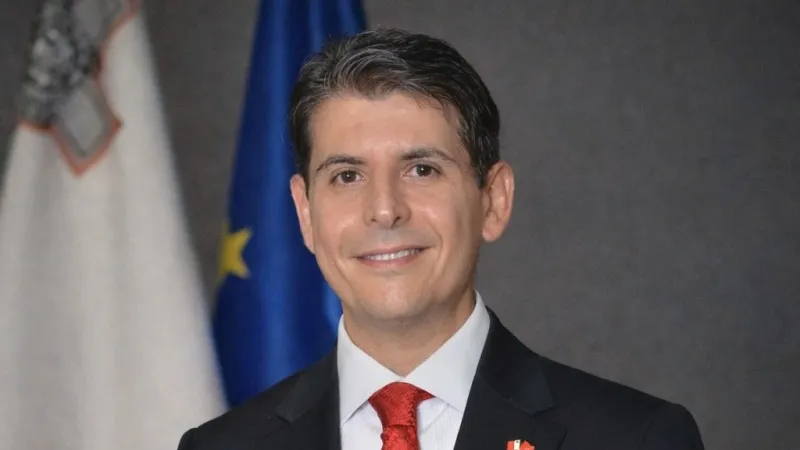
The sixth edition of the Marrakech Short Film Festival, scheduled to take place from September 25 to 30, 2026, is set to shine a spotlight on the cinematic landscape of Morocco and beyond. This year, Malta has been honored as the guest country, showcasing a diverse selection of nine short films encompassing fiction, animation, and documentary genres. This event not only celebrates the rich cultural tapestry of Malta but also emphasizes the historical ties between Malta and Morocco. In an exclusive interview, Ivan Vassallo, the Consul General of Malta in Morocco, shared insights about this prestigious recognition, the deep-rooted connections between the two nations, and the potential for cultural cooperation that this event opens up.
Vassallo expressed immense pride in Malta's participation, stating, "It is a great pleasure and a true honor for us to be the guest of honor at this year's Marrakech Short Film Festival. For a small country like ours, such an invitation is particularly significant. It provides us with an opportunity to enhance Malta's visibility and recognition among the Moroccan populace, especially as we position ourselves as a bridge between North Africa and Europe—a role that we fully embrace. We hope this participation will allow us to better showcase Malta and foster new relationships with Moroccan institutions, communities, and the artistic sector."
Highlighting Malta's Cultural Diversity Through Film
The selected short films from Malta are designed to provide a broad representation of the country’s artistic talents. Vassallo explained, "We aimed to present the widest possible selection to introduce the diverse talents of Malta to Moroccan audiences and participants. Although Malta is a small island, we wanted to demonstrate that size does not limit talent. Our diverse genres and perspectives can engage a wide audience, extending beyond just the festival-goers and industry professionals." This approach aims to effectively communicate Malta's unique cultural identity to Moroccan viewers, breaking down stereotypes and fostering deeper understanding.
Further discussing the historical backdrop, Vassallo noted that the formal relations between Malta and Morocco began in 1974, yet the connection between the two peoples dates back centuries. He elaborated, "Malta has historically served as a bridge between the two shores of the Mediterranean, with our linguistic heritage reflecting a blend of North African Arabic dialects and Romance languages like Sicilian and Italian. This linguistic diversity is not just a curiosity but a valuable asset that enriches our interactions and fosters respect among diverse populations."
In terms of future collaborations, Vassallo acknowledged that while current bilateral cooperation is somewhat limited due to geographical distance, there is potential for growth, particularly through initiatives like the '5+5' dialogue between Southern European and North African countries. He expressed hope that the short film festival might lead to more concrete projects such as co-productions and regular exchanges between cultural institutions in Malta and Morocco, stating, "Yes, we genuinely hope for this. The presence of members from the National Arts Council of Malta at the festival is intended to spark meaningful dialogue with Moroccan participants, including artists and industry professionals, to strengthen cooperation and synergies between our two countries."
In conclusion, Vassallo extended a heartfelt message to the Moroccan audience, emphasizing the importance of mutual understanding and connection: "We look forward to getting to know each other better, beyond the clichés that may exist about a small country like ours situated in the Mediterranean between two continents. As we say in Maltese—and I believe it's true in Arabic as well—marhaba bikum, welcome to you. Thank you."
As reported by lopinion.ma.
