
The Impact of Tourism on Morocco's Coastal Cities
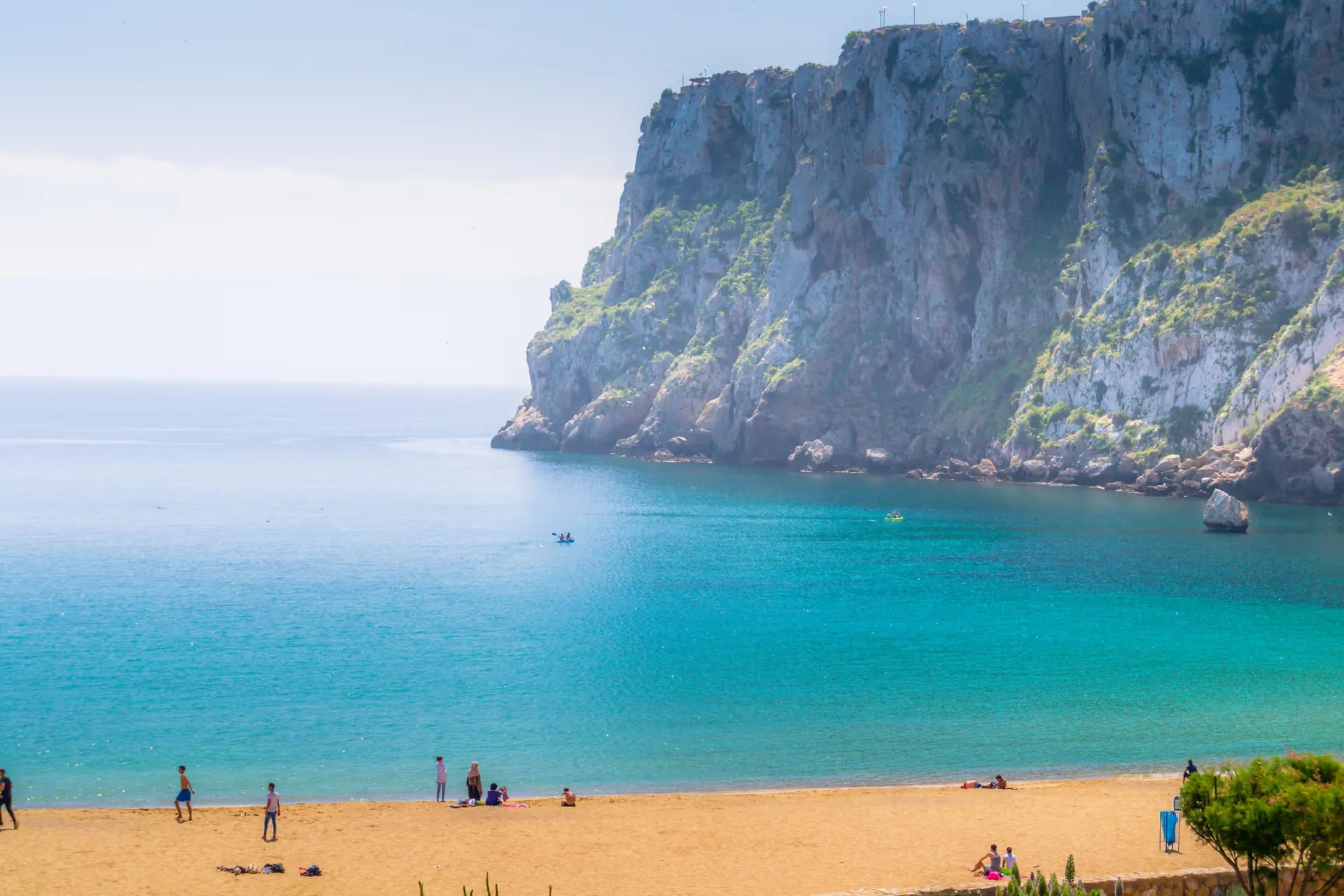
As Morocco prepares to welcome an estimated 19.8 million visitors in 2025, the surge in tourist activity significantly transforms the coastal cities, particularly during the summer months. Popular seaside destinations like Saïdia and Agadir become bustling hubs as Moroccans living abroad (MRE) and domestic vacationers flock to the shores. The influx of tourists leads to crowded beaches, filled accommodations, and strained infrastructure, revealing the limitations of systems designed to cater to a smaller, permanent population. The challenges of waste management, traffic congestion, and public resource usage intensify, raising concerns about whether these coastal towns can sustain their tourist appeal while maintaining quality of life for residents.
Environmental and Resource Pressures in Coastal Areas
Despite the growing number of visitors, the issue of beach cleanliness is more nuanced than it appears. Statistics indicate that Moroccan beaches are not becoming increasingly polluted; in fact, there has been a notable decline in waste collected at monitored beaches compared to previous years. However, the sheer volume of visitors during peak season poses a significant challenge, as beaches struggle to cope with the influx of visitors in such a short timeframe. The Foundation Mohammed VI for the Protection of the Environment continues its "Clean Beaches" initiative each summer, supported by both public and private partners, to address these challenges. Yet, the effectiveness of morning clean-up efforts is often thwarted by the rapid accumulation of waste throughout the day, prompting ongoing debates about responsibility—whether it lies with the behavior of tourists or the adequacy of municipal services.
Water resources present an even more pressing concern. While recent rains have provided temporary relief from years of drought, experts warn that Morocco is still facing a structural water scarcity, with per capita water availability decreasing over the decades. The rising temperatures and increased evaporation associated with climate change exacerbate the issue, making it crucial for tourist cities like Agadir to implement sustainable water management practices. Desalination has emerged as a key solution to secure water supply, but the technology must be deployed alongside rigorous marine ecosystem protection. The need for strategic planning and infrastructure development becomes paramount as Morocco aims to balance the demands of an expanding tourist sector with the need for sustainable resource management.
In light of these challenges, the Moroccan government has ambitious plans for the future, targeting 26 million tourists by 2030. This goal comes with plans to add 60,000 hotel beds and invest over 190 billion dirhams in infrastructure enhancements, including transportation and urban facilities. As coastal cities brace for the future, the pressing question becomes not just how to attract more visitors, but how to sustainably manage the increased demand for resources and infrastructure without compromising the experience for tourists or the well-being of local residents. The coming years will undoubtedly test the resilience of these destinations, requiring innovative solutions and proactive planning to ensure their long-term sustainability.
As reported by laquotidienne.ma.