
Understanding Water Resource Management in Morocco
The management of water resources in Morocco has become increasingly imperative due to the country's unique geographical and climatic challenges. The administration of water resources, particularly under the leadership of the Lyautey administration, has played a significant role in ensuring that the Moroccan populace has adequate access to this vital resource. Recognizing the importance of strategic water management is crucial in the context of Morocco's diverse environments, which range from arid to semi-arid regions. This article delves into the methods employed by the administration to manage water resources effectively, highlighting the innovative approaches that have been developed over the years.
Innovative Strategies for Effective Water Management
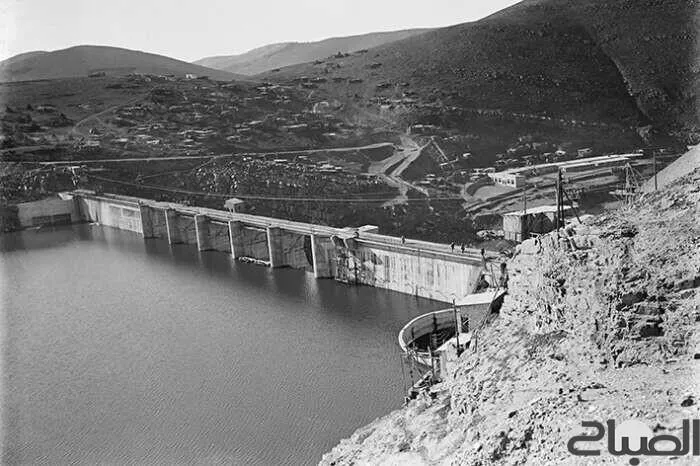
In recent years, Morocco has adopted various strategies to optimize the use of its water resources. These include the development of modern irrigation techniques, the implementation of rainwater harvesting systems, and the construction of dams to store and regulate water supply. The administration has also prioritized public awareness campaigns aimed at educating citizens about water conservation practices. By fostering a culture of sustainability and resourcefulness, the government aims to mitigate the impact of droughts and water shortages, which are increasingly common due to climate change. Maintaining ecological balance while ensuring that agricultural and urban needs are met requires a multifaceted approach that involves various stakeholders, including local communities, governmental bodies, and international organizations.
As reported by assabah.ma.