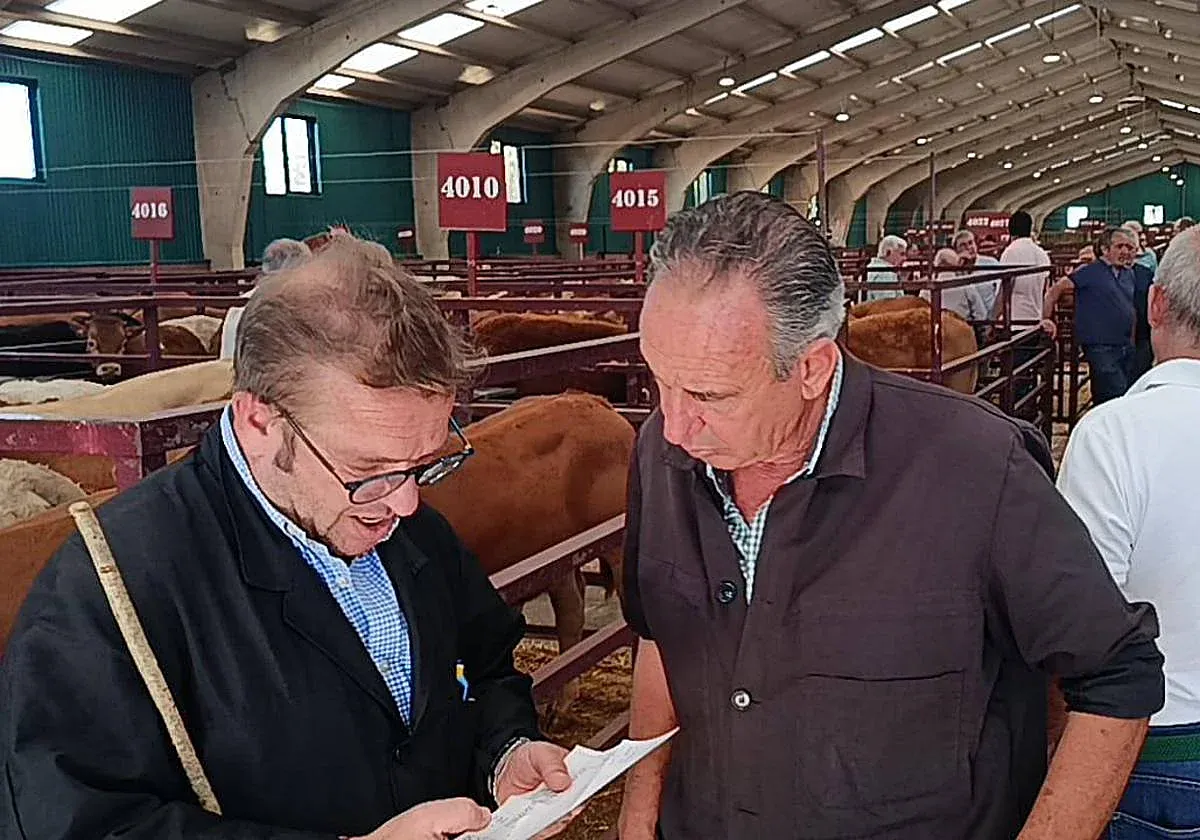
The livestock market experienced another notable downturn during the last weekend of July, highlighting the persistent weakness within the sector. The entry of 230 cattle into the market signified a lack of robust commercial activity, characterized by a limited number of buyers and a subdued demand. This period, marked by the summer season and a shortage of outlets for livestock, continues to hinder operational capabilities.
One of the primary hopes for the industry revolves around the potential revival of exports to Morocco and Algeria. However, there is currently no specific timeline for when this might occur. While some market operators express optimism that movements could begin as early as September, others remain skeptical, suggesting that any significant activity is unlikely before November. As it stands, this prospect remains a mere glimmer of hope intended to ease the market's distress.
In the meantime, feedlots are heavily stocked, and purchases are being conducted with extreme caution, consistently applying downward pressure on prices. The prevailing sentiment within the market indicates that it has yet to hit rock bottom, as prices continue to weaken in light of the minimal movement of animals. This challenging scenario is exacerbated by competition from Brazilian meat and other Mercosur countries, alongside declining prices in various European markets, all of which complicate the competitiveness of Spanish livestock.
Adding to the sector's woes is the anticipated increase in feed costs, which could further diminish the profitability of farming operations. Stakeholders within the industry are watching these developments closely, aware that the current landscape poses significant challenges to the sustainability of their businesses.
As reported by lagacetadesalamanca.es.