Announcement of Eid al-Adha 2026 in Morocco
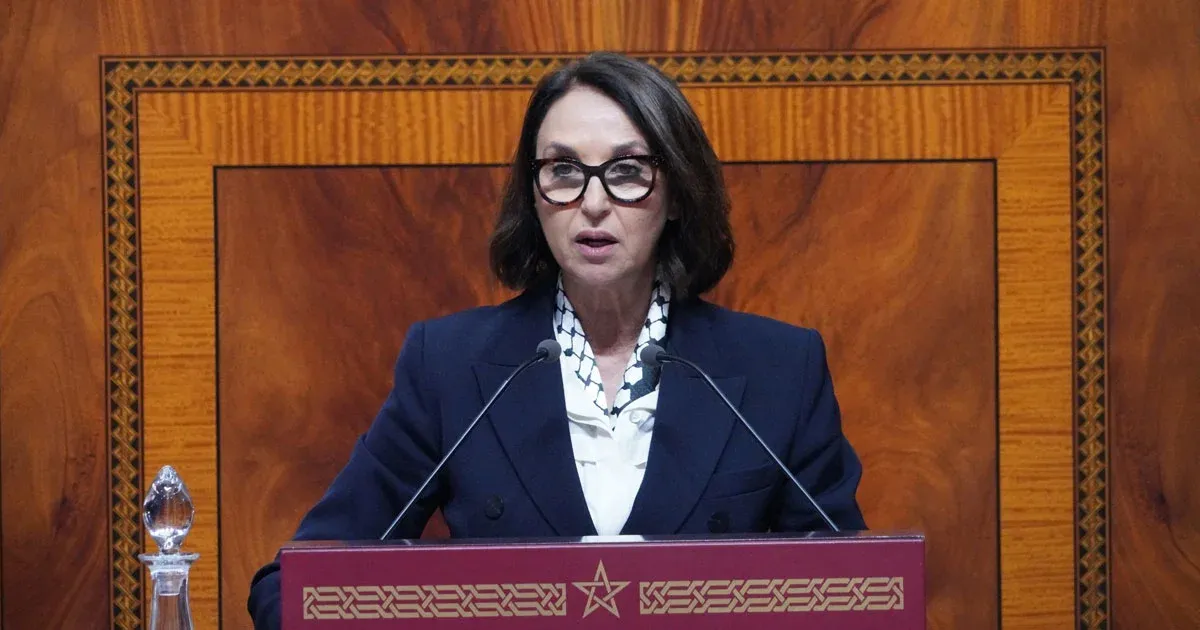
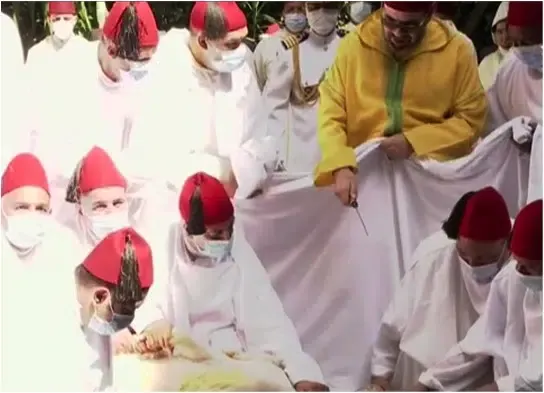
In a significant announcement following the official sighting of the crescent moon, the Moroccan Ministry of Religious Endowments and Islamic Affairs has declared the date for the upcoming Eid al-Adha celebration. The first day of the Islamic month of Dhu al-Hijjah 1447 AH is set to fall on Monday, May 18, 2026, leading to the observance of Eid al-Adha throughout the kingdom on Wednesday, May 27, 2026. This proclamation was made traditionally in the name of King Mohammed VI, who serves as the "Commander of the Faithful."
For millions of people in Morocco, this announcement signifies much more than a simple religious date. The approach of the festival heralds a unique period of preparation, family gatherings, and a return to ancestral homes. Eid al-Adha, known as the "Festival of Sacrifice," ranks among the most important holidays in Islam, commemorating the story of Prophet Ibrahim (Abraham), who was willing to sacrifice his son in obedience to God, only for God to provide a ram as a substitute at the last moment.
Traditions and Economic Impact of Eid al-Adha
This narrative intertwines the faiths of Islam, Judaism, and Christianity, recognized in Judaism as the "Binding of Isaac" (Akedah) and found in the Old Testament in Christianity, specifically in the Book of Genesis. In all three religions, this tale symbolizes faith, trust, and devotion. In Morocco, Eid al-Adha also serves as a deeply rooted family celebration, with many individuals traveling from cities such as Casablanca, Rabat, or Tangier back to their hometowns to celebrate with parents, grandparents, and relatives.
The days leading up to the festival see bus stations and train terminals overflowing with travelers, roads heavily congested, and a palpable atmosphere of anticipation in many cities. For numerous families, this occasion represents one of the few times each year when multiple generations come together. Additionally, traditional livestock markets play a crucial role during this period, where sheep and other sacrificial animals are sold at makeshift stalls. Families compare prices, and merchants experience their peak sales season, particularly benefiting rural regions where the sale of livestock serves as a primary source of income for many farmers.
However, there is a growing concern among households regarding the rising costs associated with the festival. Following several years of drought and with high feed prices, the cost of sacrificial animals has significantly increased. For lower-income families, preparing for Eid al-Adha often translates into a considerable financial burden. Despite these challenges, the festival remains a moment of unity and tradition for many Moroccans, intertwining religious faith with familial closeness and demonstrating each year the vital role that communal rituals play in the social fabric of the country.
As reported by maghreb-post.de.