Marrakech: A Cultural Hub of Theater in Morocco
Malika Al-Asimi, a renowned poet and writer, openly admits her envy of the city of Rabat, a sentiment she does not shy away from expressing. However, her envy does not stem from a desire to compare cities; rather, it arises from her wish for Marrakech to receive the recognition it deserves in light of its rich cultural and artistic history. In a two-part article shared with hespress.com, Al-Asimi reflects on the theatrical legacy of Marrakech, highlighting its significant role in the history of Moroccan theater. From the vibrant performances in the iconic Jemaa el-Fnaa square to the evolution of school and university theater, as well as the amateur groups that have nurtured generations of creative talent, Marrakech has always been a fertile ground for the performing arts.
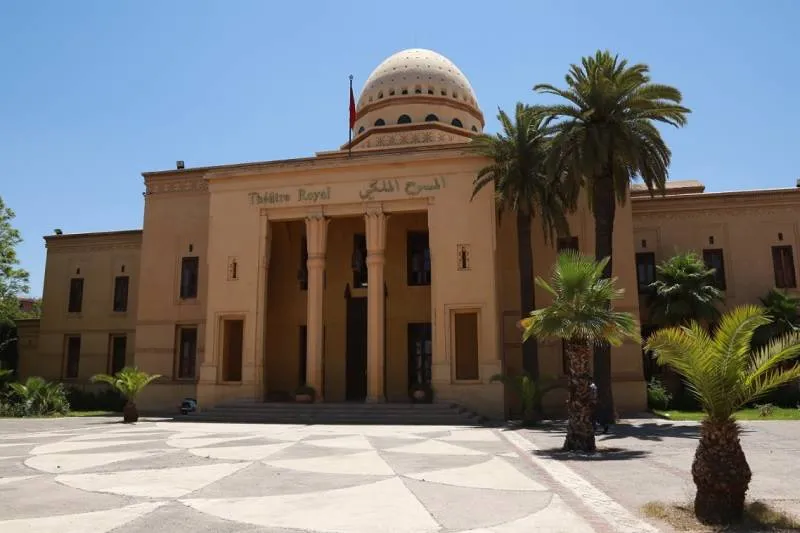
Al-Asimi argues that this rich theatrical heritage positions Marrakech as one of the key bastions of theatrical art in Morocco. She recalls historical moments and prominent figures who have played pivotal roles in establishing this narrative, setting the stage for a discussion about the grand theater recently inaugurated in Rabat and the hope it ignites for Marrakech to eventually have a monumental theater that reflects its cultural stature and artistic history.
The Essence of Marrakech’s Theatrical Culture
Marrakech has long been celebrated for its brilliance in theater, performance, and entertainment. The city's main square, Jemaa el-Fnaa, epitomizes the vibrant interplay of various theatrical and performance arts that thrive within its boundaries. Historically, gatherings of men and women in Marrakech were infused with acts of performance, known as 'riqi,' which involved impersonating characters, storytelling, singing, and presenting captivating narratives. These performances often led to spontaneous acts where attendees donned special costumes to surprise onlookers with re-enactments of tales or songs, creating an atmosphere filled with enjoyment and engagement.
One of the notable theatrical seasons in Marrakech is the 'Harmata,' celebrated during the first week of Eid al-Adha. This event, akin to the Boujloud festival in the Sous region, showcases theatrical performances where actors don sacrificial garments to parade through the streets, exposing tyrants, corrupt officials, and societal issues through satire and critique. This festival not only entertains but also serves as a platform for voicing community grievances to those in power, contrasting sharply with the modern commercial interpretations of Boujloud.
The 'Sultan of Students' season further exemplifies the inclusive nature of theater in Marrakech. This week-long celebration involves university students taking on roles of power, governance, and societal roles, reflecting both the joys and challenges faced by their peers. Funded by the Sultan and local dignitaries, this event culminates in the presentation of students' demands regarding educational conditions, showcasing the intersection of culture and activism.
Throughout its history, Marrakech has been a crucible of artistic expression, enriched by national movements and the establishment of free schools that nurtured theatrical talent. Noteworthy is the contribution of the Ibn Youssef University students, who formed associations dedicated to theater, showcasing plays that enriched the cultural landscape. Furthermore, the city has produced notable figures in the arts, contributing significantly to the national identity of Moroccan theater.
In conclusion, the multifaceted theatrical landscape of Marrakech continues to thrive, making it a cornerstone of Moroccan culture, ready to embrace future developments alongside its vibrant past. The recent establishment of a grand theater in Rabat serves as a reminder and an aspiration for Marrakech, which has long been at the forefront of the performing arts in Morocco.