Morocco's Role in the 2030 World Cup and the Political Landscape of Football
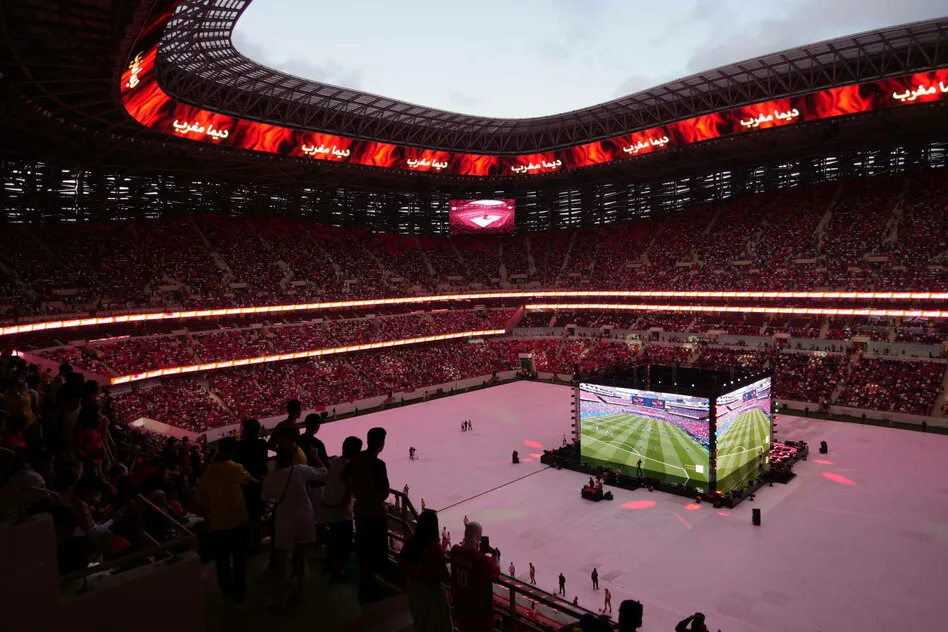
As one of the three primary hosts for the 2030 FIFA World Cup, alongside Spain and Portugal, Morocco's footballing heritage is deeply intertwined with its governmental structure. The Moroccan national team recently celebrated a decisive 3-0 victory against Canada in the round of 16, a moment marked by jubilation among the players. In this atmosphere of triumph, a member of the team’s management received a congratulatory call from none other than King Mohammed VI himself, who expressed his appreciation to head coach Mohamed Ouahbi and team captain Achraf Hakimi. In a heartfelt video message shared on Instagram, Hakimi acknowledged the King’s substantial contributions to Moroccan football, emphasizing the impact of royal investments in infrastructure that empower players to perform at their best.
The relationship between football and politics in Morocco has been a topic of extensive discussion, particularly during this tournament, as the intertwining of state and sport is a common reality in numerous countries. King Mohammed VI enjoys significant support within Moroccan society, yet the monarchy also seeks themes that foster and sustain national pride, with football playing a pivotal role in this narrative. Notably, stadiums and youth academies are frequently named after members of the royal family, and the Moroccan Football Federation proudly carries the designation of 'Royal.' The annual club cup is even contested in conjunction with the Throne Festival, further emphasizing this connection.
Football, Royalty, and National Pride
While King Mohammed VI seldom attends matches due to security concerns, he frequently references football in his official speeches and communications. He has personally welcomed national players to the palace on multiple occasions, most recently following Morocco's home performance in the African Cup of Nations earlier this year. The protocols of the Moroccan monarchy are notably rigid; however, on special occasions, such as the national team's victory over Spain in the 2022 World Cup, the King has relaxed these rules, donning the national jersey and driving through the streets of Rabat, much to the astonishment of onlookers. This act of showing solidarity through football allows the monarchy to project an image of being close to the people.
Since gaining independence from colonial powers France and Spain in 1956, Morocco has seen its own citizens take charge in sports federations and football clubs. Under the reign of King Hassan II, who ruled from 1961 to 1999, significant strides were made in promoting football, including the establishment of the ASFAR football club in Rabat, linked with the military. Hassan II maintained a tight grip on the sport, personally approving new coach appointments and overseeing player transfers, often issuing instructions from the stands.
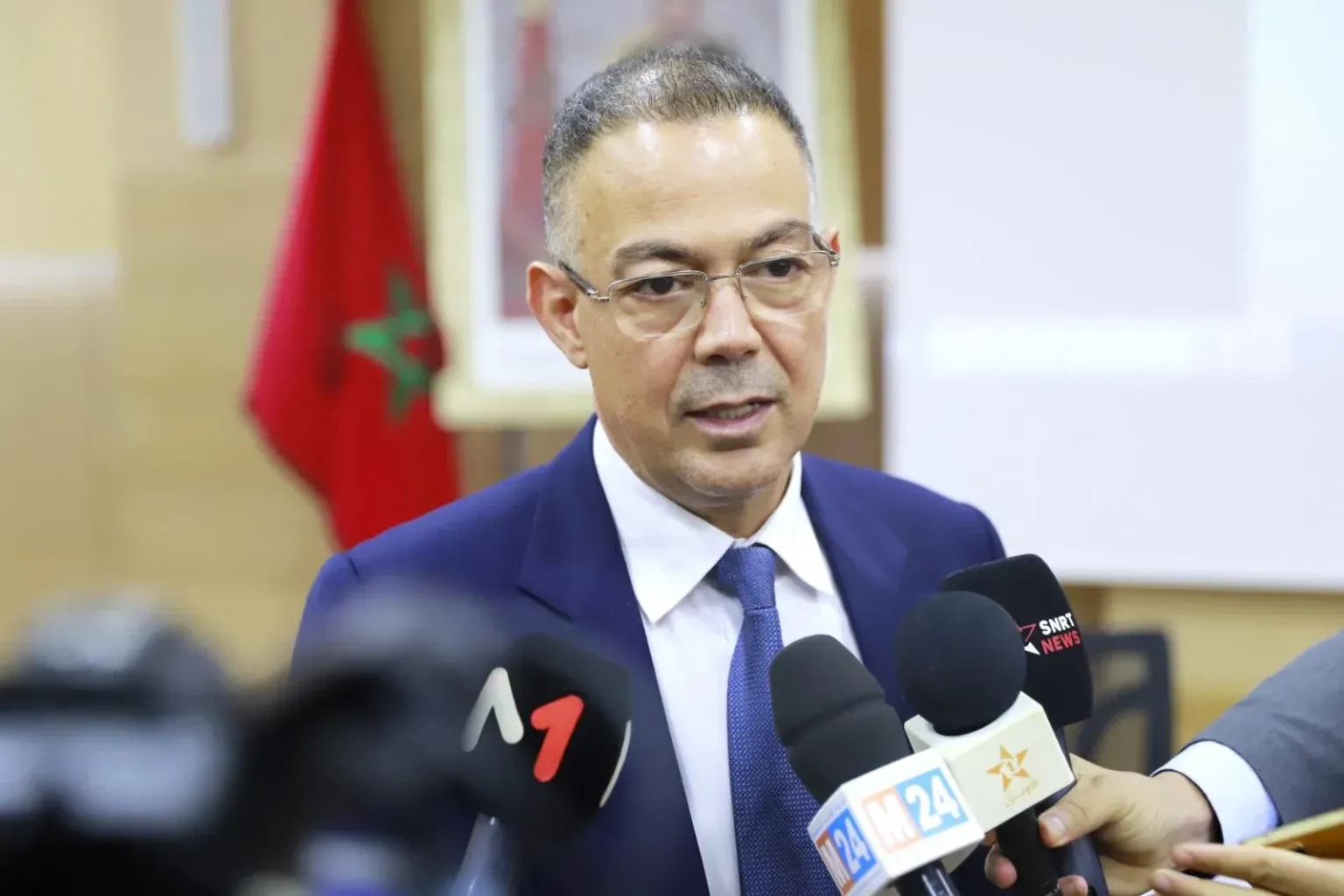
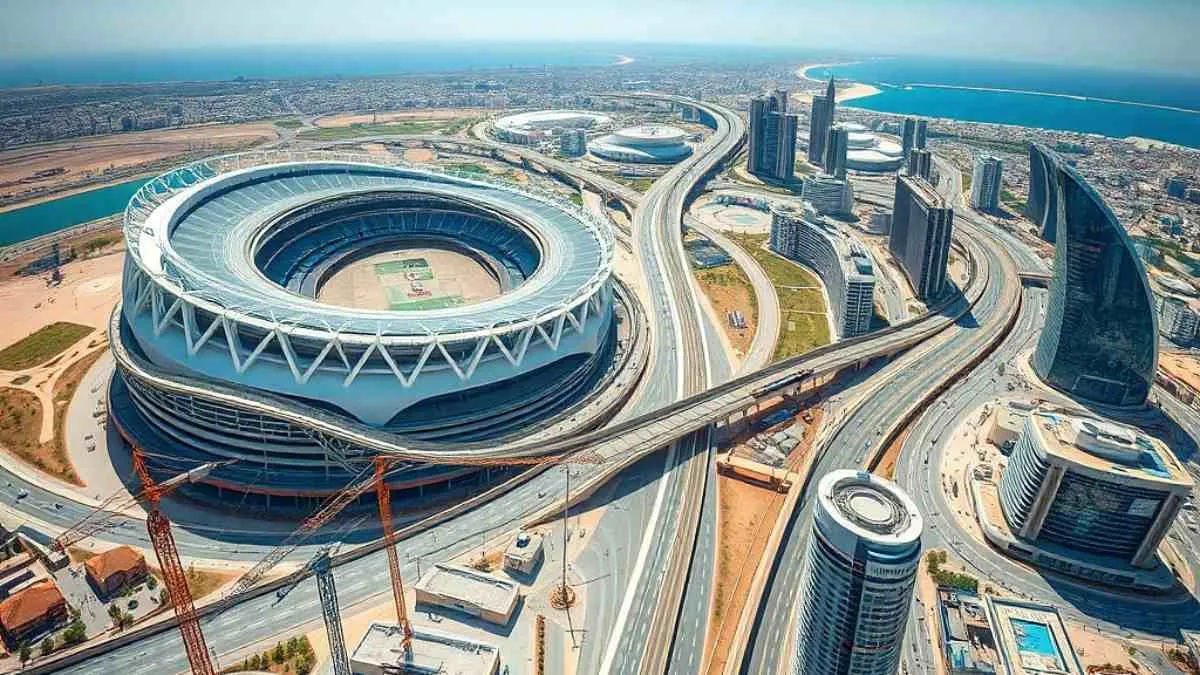
King Mohammed VI continues to exert direct influence over football in Morocco. His confidant, Fouzi Lekjaa, has been the President of the Moroccan Football Federation since 2014, while also serving as the Minister of Finance. As the chair of the organizing committee for the 2030 World Cup, Lekjaa is tasked with advancing Morocco's narrative of progress through football, which is expected to bolster infrastructure and tourism in the country. However, this narrative faces scrutiny amid social inequalities, with youth unemployment rates exceeding 20% in some regions. Protests erupted in October 2025, primarily involving the youth, who opposed government actions, which were met with varying levels of repression.
In Morocco, the ties between state and football are more pronounced than in countries like the United States, representing a political closeness that FIFA typically prohibits. Nonetheless, Morocco holds strategic significance for the global governing body of football, as the Rabat office aims to professionalize African football. Additionally, numerous African national teams lacking adequate stadiums host their home matches in Morocco. As FIFA President Gianni Infantino seeks re-election in 2027 at the congress in Rabat, the spotlight remains on Morocco's evolving football landscape.
As reported by taz.de.