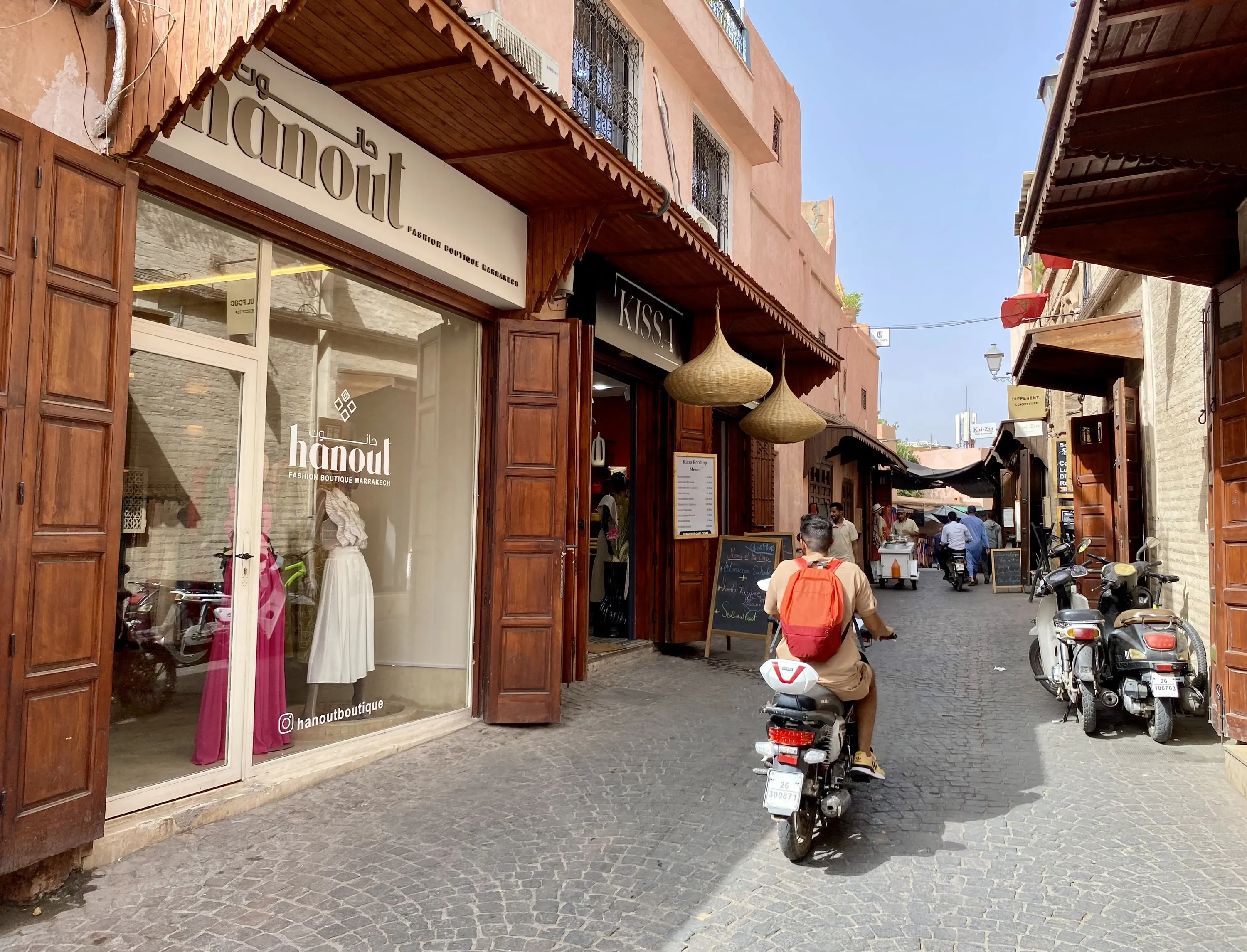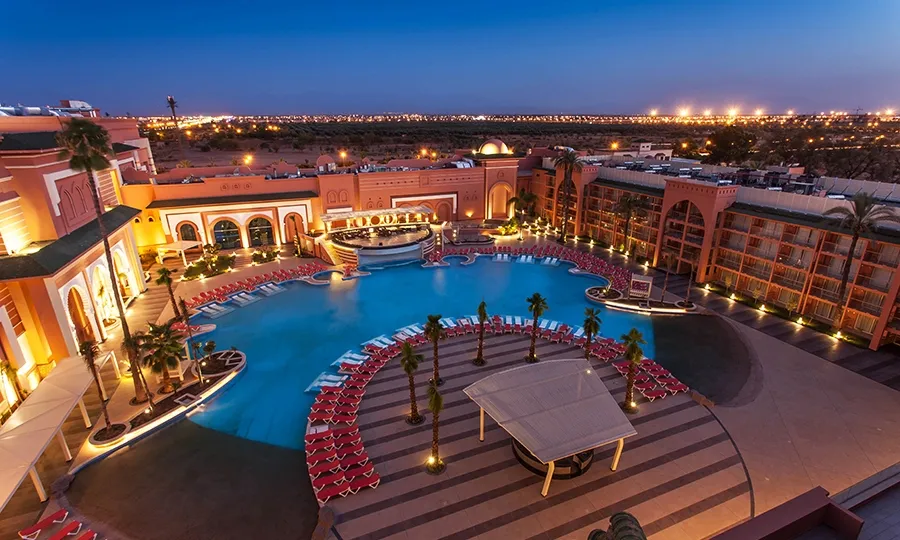

Marrakech continues to solidify its reputation as a powerhouse in Moroccan tourism, having recorded over 13.6 million overnight stays in classified tourist accommodations in 2025 alone. This remarkable achievement signifies that the city accounts for nearly one-third of the total overnight stays across the nation, highlighting its immense appeal to international visitors and its significant role in the Kingdom's tourism economy. The momentum shows no signs of slowing down; between January and May 2026, the destination welcomed more than 1.65 million tourists, generating close to 4.7 million overnight stays. The expansion of flight connections, the influx of new hotel brands, and the prospects presented by the 2030 World Cup are expected to further bolster this growth in the coming years. However, this success raises a pressing question: how can the region continue its tourism development amidst increasing pressure on its natural resources?
Water: A Strategic Challenge for the Destination
Water stress has emerged as the foremost environmental challenge facing Marrakech today. Like much of Morocco, the region has been grappling with the impacts of prolonged drought and decreasing precipitation for several years. This situation is particularly concerning given that the tourism sector is heavily reliant on substantial water resources. Hotels, swimming pools, gardens, green spaces, and golf courses, which contribute to the destination's allure, also require significant amounts of water. In response to this pressing reality, authorities have initiated various projects aimed at securing water supply while alleviating pressure on conventional resources. A notable example involves the reuse of treated wastewater, which now supplies eight golf courses in Marrakech as well as parts of the palm grove. This innovative solution preserves water intended for human consumption while sustaining the tourist infrastructure that enhances the destination's appeal.
The consideration of environmental issues extends beyond water management. An increasing number of tourism operators are now integrating sustainable development principles into their strategies. Numerous establishments are investing in equipment designed to reduce energy consumption, optimize water management, and minimize waste production. This shift aligns with the growing demand from travelers, as more tourists are prioritizing establishments committed to responsible practices and incorporating environmental criteria into their destination choices.
The ecological challenge transcends the issue of water alone. The surge in tourism is also placing mounting pressure on urban infrastructure and public services. Issues such as increased road traffic, urban sprawl, waste management, and heritage preservation are among the challenges local authorities must address. Improving urban mobility has emerged as a priority project as the city continues to gain attractiveness.
Marrakech's success has long been grounded in its ability to showcase its heritage, climate, and hospitality. Moving forward, its competitiveness will also hinge on its capacity to preserve its natural resources and manage the effects of its growth. For many observers, the ochre city could transform into a laboratory for sustainable tourism in Morocco.
As reported by fnh.ma.