
Marrakech Air Show 2026: A Milestone in Moroccan-Israeli Relations
The upcoming Marrakech Air Show, set to take place from October 7 to 10, 2026, at the Royal Moroccan Air Force base, marks a pivotal moment in the evolution of relations between Morocco and Israel. This occasion will see Israel officially participating with a national pavilion led by the Israeli Ministry of Defense’s International Defense Cooperation Directorate, known as SIBAT. This development signifies a transition from mere diplomatic normalization to a robust defense-industrial cooperation that encompasses a wide range of military technologies and strategic partnerships. The inclusion of prominent Israeli defense firms such as Elbit Systems, Israel Aerospace Industries (IAI), and Rafael Advanced Defense Systems, among others, indicates that the bilateral relations are expanding beyond traditional diplomatic channels and cultural exchanges to embrace military collaboration and advanced technological integration.
However, the significance of this event transcends the realm of commercial opportunity; defense exhibitions serve as crucial platforms for diplomacy and technology showcase, where nations can establish strategic relationships. The presence of Israeli defense manufacturers in Marrakech raises critical questions regarding Morocco's security priorities, the evolving geopolitical landscape of the Mediterranean and North Africa, and the implications of technological modernization amid the ongoing Israeli-Palestinian conflict. Understanding these dynamics is vital for appreciating the broader context of Morocco's defense posture and its ambitions for strategic autonomy.
From Normalization to Institutionalized Defense Cooperation
The foundation for contemporary Moroccan-Israeli relations was laid with the joint declaration signed on December 22, 2020, among Morocco, Israel, and the United States. This agreement restored formal diplomatic ties between Rabat and Tel Aviv within the framework of the Abraham Accords, aiming to bolster regional cooperation through diplomatic engagement and security partnerships. Notably, the U.S. recognition of Moroccan sovereignty over Western Sahara was a significant aspect of this strategic bargain, intertwining Morocco's diplomatic interests with broader American foreign policy objectives in North Africa. Following this, the signing of a defense cooperation memorandum on November 24, 2021, marked a qualitative shift, allowing for institutionalized channels of communication and collaboration between military authorities in both nations. This memorandum established a framework for enhanced cooperation in areas such as intelligence sharing, military training, and defense technology procurement.
The Marrakech Air Show thus represents a crucial step in this evolving relationship, translating prior agreements into visible action within Morocco. The establishment of an official pavilion for Israeli defense companies at a major aerospace exhibition underscores the government's commitment to fostering defense diplomacy while simultaneously promoting technological collaboration. The strategic leadership of SIBAT in coordinating the Israeli delegation further emphasizes the connection between commercial interests and national defense strategies, transforming the event into a diplomatic exercise aimed at presenting Israel's technological capabilities and building enduring partnerships.
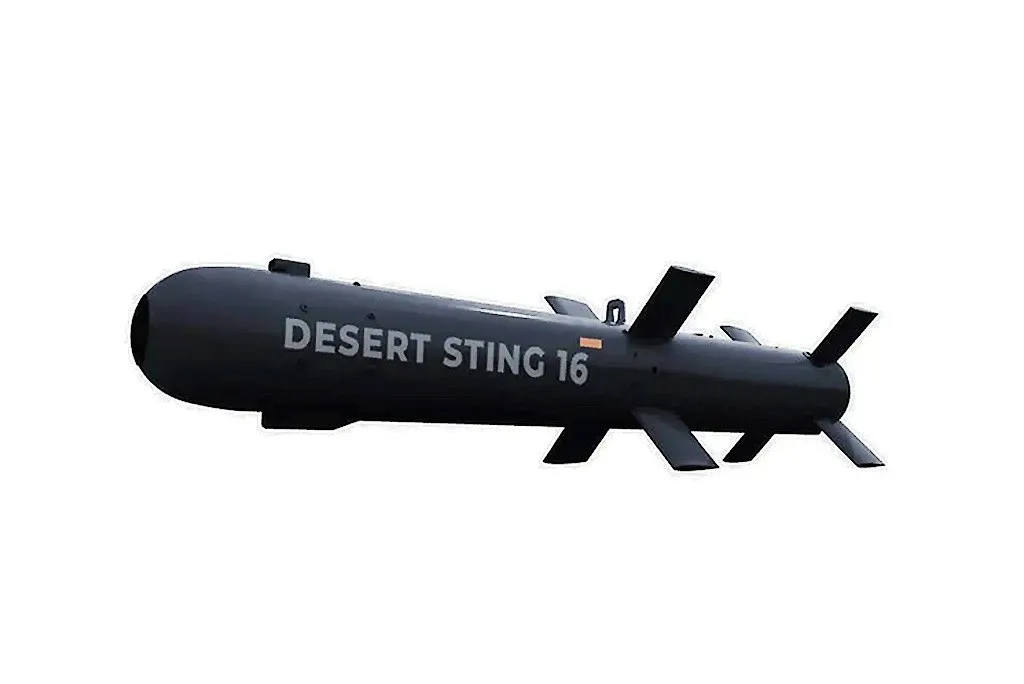
As the exhibition unfolds, the eight Israeli companies participating will highlight the interconnected nature of modern defense technology, showcasing various specialized capabilities that address the contemporary demands of military competition. While firms like Elbit Systems and IAI represent the backbone of Israel's defense-industrial complex, smaller companies are focusing on innovative solutions that enhance operational effectiveness in increasingly complex warfare scenarios. For Morocco, the strategic value of these technologies lies in their ability to address emerging challenges and enhance its military capabilities in a region marked by rivalry and geopolitical instability.
While the procurement of advanced military technologies from Israel can enhance Morocco's defense posture, it also raises critical considerations about dependency on foreign suppliers and the importance of establishing a domestic defense-industrial base. The potential for local production and technology transfer, as exemplified by Moroccan Military Industry's plans to manufacture armored vehicle components, reflects Morocco's ambition for strategic autonomy in defense matters. Such initiatives could foster industrial development and enhance local expertise, provided that the necessary conditions for technology transfer and local capacity building are met.
In conclusion, the Marrakech Air Show is not merely an exhibition; it represents a transformative moment in Moroccan-Israeli relations, with implications that extend beyond the immediate defense context to encompass broader geopolitical dynamics and regional security considerations. As Morocco navigates its relationships with various international partners, the outcomes of this cooperation will ultimately depend on measurable industrial and technological advancements rather than solely on diplomatic visibility.
As reported by blogs.timesofisrael.com.