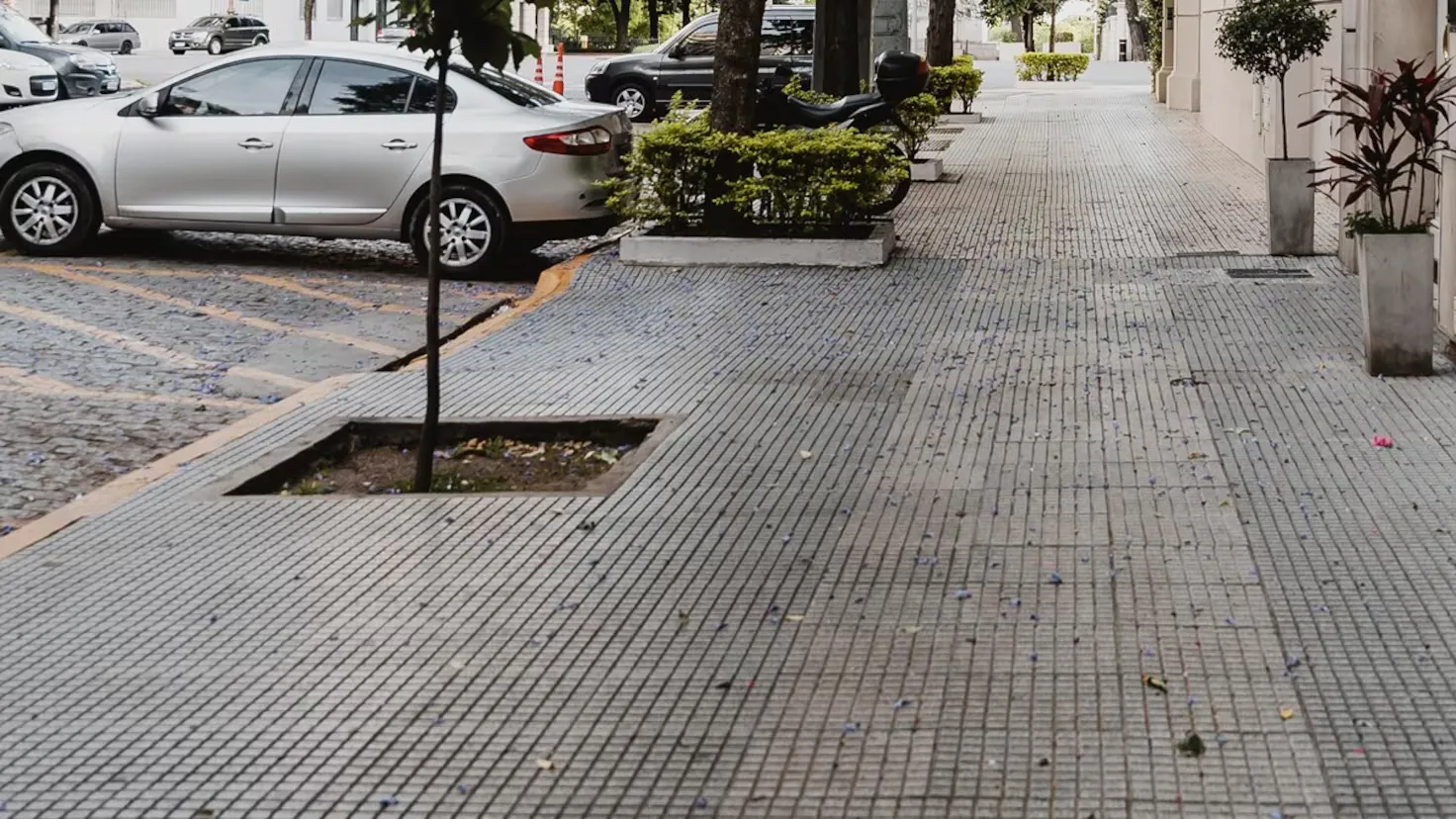

Marrakech and Agadir’s Innovative Approach to Urban Heat Management
The escalating heat levels have emerged as a significant concern for cities across the Mediterranean and southern Europe. Extreme temperatures are becoming increasingly common, particularly affecting urban areas that struggle to cope with the soaring heat. In response to this pressing challenge, Morocco has embarked on a unique initiative that addresses the issue beneath the feet of its citizens. In the cities of Marrakech and Agadir, some streets are undergoing a transformation as traditional asphalt is being replaced with a new type of pavement aimed at mitigating excessive heat.
The rationale behind this initiative lies in the intrinsic properties of asphalt. Dark surfaces tend to absorb a substantial amount of solar radiation during daylight hours, retaining that heat for extended periods. Consequently, even at night, many urban areas continue to experience elevated temperatures as streets and buildings release the accumulated heat, exacerbating the notorious "urban heat island" effect. This phenomenon makes it increasingly challenging for residents to find relief during the hottest days.
A Sustainable Solution to Urban Heat
The alternative being trialed in these Moroccan cities involves substituting conventional asphalt with permeable pavement. Unlike traditional asphalt, these surfaces enable rainwater to seep into the ground’s lower layers, rather than swiftly draining into the sewage system. This moisture is partially retained beneath the surface, contributing to a reduction in surface temperatures during heatwaves.
This innovative system harnesses a natural process: evaporation. As the sun heats the pavement, the moisture stored below the surface helps cool the surrounding environment, thereby alleviating some of the absorbed heat. During prolonged dry spells, which are common in much of North Africa during summer, the project plans to utilize treated and recycled water, eliminating the need for potable water.
The benefits of this initiative extend beyond mere pedestrian comfort. By lowering the ambient temperature, the project can also reduce the heat absorbed by nearby building facades, which in turn diminishes the reliance on air conditioning during peak demand hours. Such a reduction could provide a much-needed relief for electrical grids during periods of high energy consumption.
What Marrakech and Agadir are testing may pique the interest of many other Mediterranean countries, including Spain. With summers becoming increasingly extreme and temperatures frequently exceeding 40 degrees Celsius, the fight against urban heat necessitates a reevaluation of urban construction practices. Morocco has taken the initiative to start with something as ubiquitous as asphalt, transforming its streets into a crucial tool in the battle against one of the major adversaries of southern Europe.
As reported by as.com.