
The Ongoing Struggle Against Homelessness in Marrakech
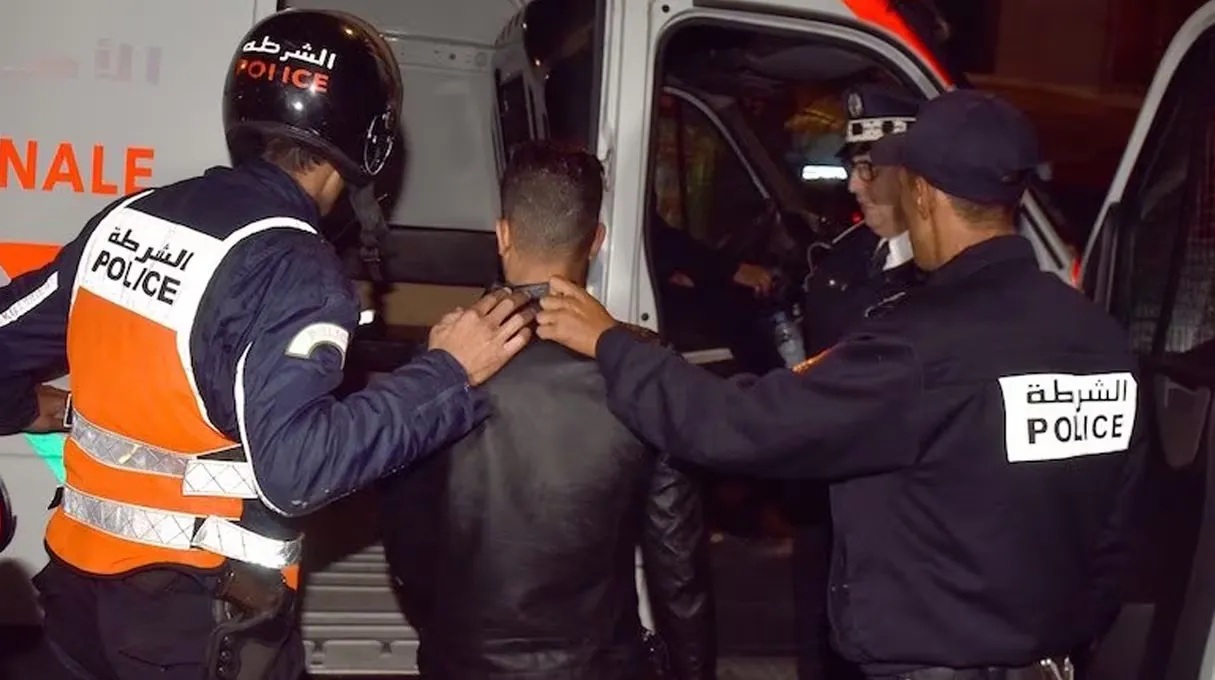
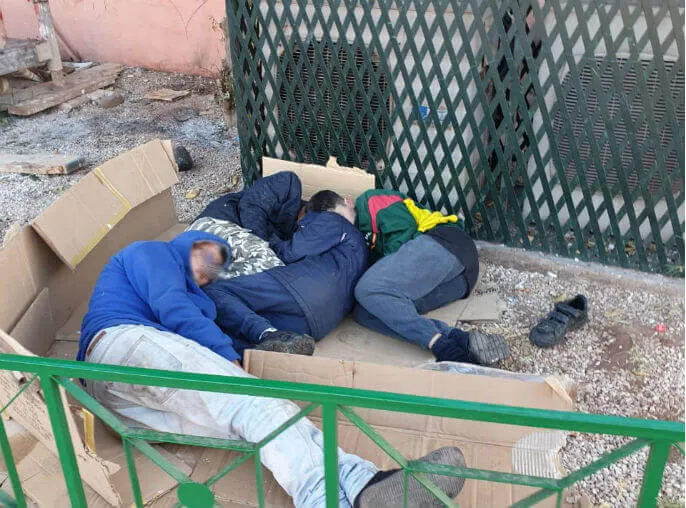
In Marrakech, every time local authorities and security forces launch a sweeping campaign aimed at clearing the streets and public squares of homeless individuals and beggars, there is a fleeting sense of hope among citizens that the city is beginning to regain its order and beauty. However, this feeling is short-lived, often lasting mere hours before the situation reverts to its previous state, as if nothing had changed. This raises an unavoidable question: what renders these campaigns ineffective?
It is undeniable that local authorities and security agencies are fulfilling their roles, putting significant effort into organizing ongoing initiatives to rid public spaces of the visible signs of homelessness and begging. Yet, the question remains: what happens next? Is it sufficient to transfer individuals from the streets to a shelter or a hospital, only to release them shortly after, sending them back to the same location? If the outcome is predictable, what is the point of repeatedly enacting the same scenario?
The Flaws in the System
The shocking irony is that a homeless person transferred to a charity home or to Ibn Nafis Hospital for mental health issues soon finds themselves outside the walls of these institutions, returning to occupy sidewalks, parks, and the vicinity of tourist establishments. It is as if the state implicitly conveys, "We have moved them for a few hours... the rest is not our concern." The responsibility cannot solely rest on the shoulders of local authorities or security, as they are merely performing their designated functions. The missing link in this equation is the social and health institutions tasked with genuinely caring for these vulnerable populations.
If shelters are unable to retain individuals who require ongoing support, and if mental health facilities are satisfied with merely admitting patients before sending them back to the streets without a concrete treatment or reintegration plan, we are faced with a systemic failure that cannot be masked by seasonal campaigns. The most alarming aspect of this situation is that it consumes state resources and the time of law enforcement officials, who find themselves repeatedly arresting the same individuals and returning them to the same facilities, only for them to end up back on the streets once again. This creates a closed loop that drains everyone involved, while the citizens remain the primary victims, and the image of Marrakech—Morocco's tourist capital—becomes tarnished by scenes unbefitting a city that welcomes millions of visitors annually.
To make matters worse, some homeless individuals genuinely suffer from severe mental health issues, posing risks to themselves and to others. Is it adequate to return them to the streets after just a few hours? Who bears the responsibility if a tragedy occurs that could have been prevented? Has the duty to protect public spaces become solely the responsibility of the authorities, while other sectors shirk their legal and ethical obligations?
It is high time to acknowledge that the current approach has failed. Security campaigns, no matter how successful, will not eradicate the issue without being accompanied by a genuine social and health policy based on treatment, shelter, reintegration, and ongoing support, rather than temporary solutions that merely postpone the crisis.
Marrakech does not require showy campaigns repeated weekly; it needs a courageous political and administrative decision to put an end to this institutional chaos. It is unacceptable for authorities to expend significant effort to clear the streets, only for other institutions to return the same individuals to these locations within hours, as if state institutions are working at cross purposes.
The continuation of this situation is not merely a mismanagement issue; it is a sign of a lack of coordination and a fragmentation of responsibilities. This necessitates a serious national discussion regarding the system for caring for the homeless, those with mental illnesses, and beggars. A city that merely manages to push the problem away for a few hours has not resolved it; it has merely postponed it until the following day.
As reported by nichanealane.ma.