
Marrakech's Cultural and Political Struggles
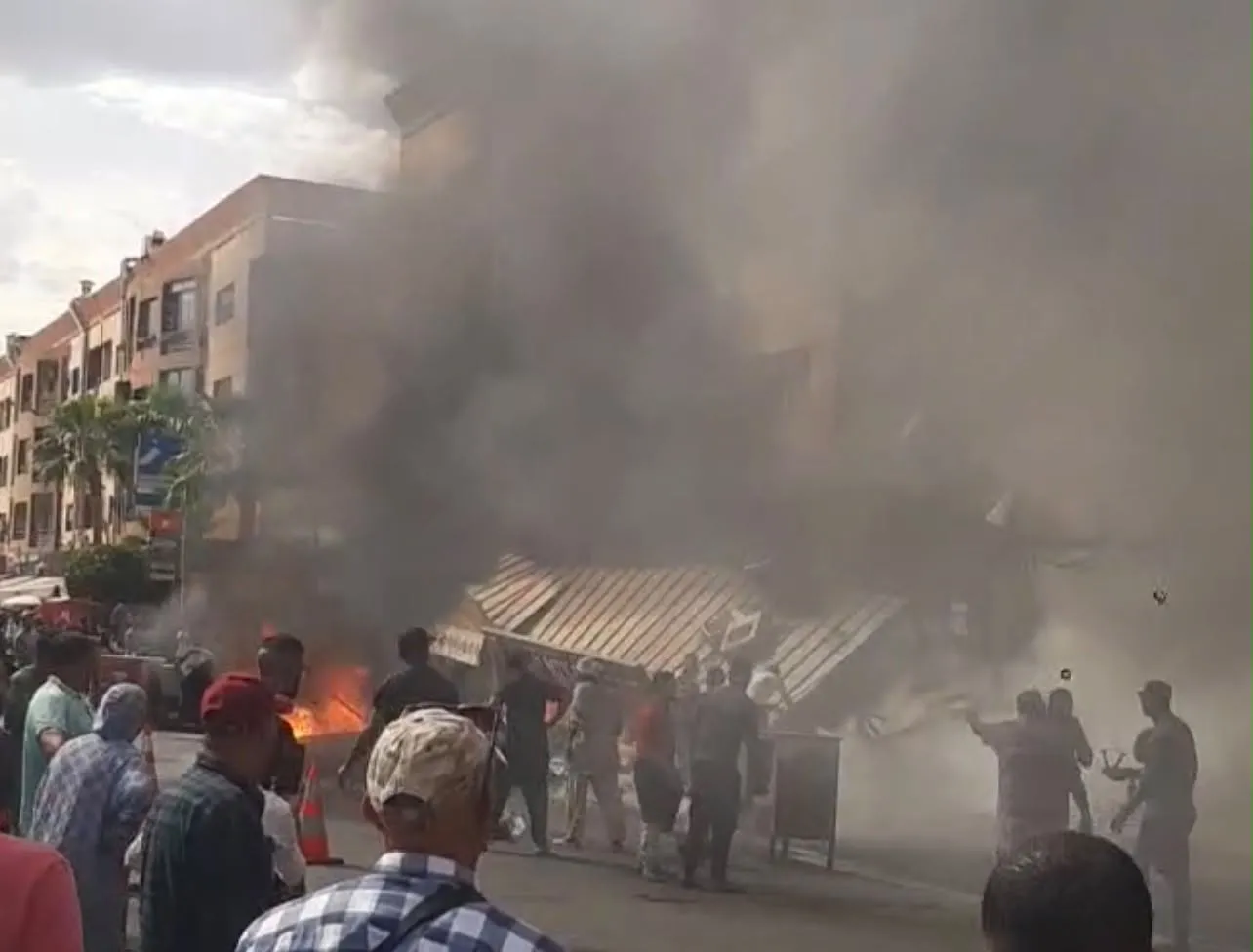
The residents of Marrakech have recently navigated through a period characterized by uncertainty, akin to the legendary struggles of Don Quixote, and have found themselves returning to the rudimentary task of collecting firewood for cooking and heating. This shift serves as a metaphorical transition from a state of despair to one of undeniable reality, where the challenges faced by the community have intensified.
The new figure in leadership, Fatima Zahra Mansouri, stands out not only due to her lineage as the daughter of a former ambassador in the United Arab Emirates, but also for her connections with the Jewish community in Marrakech. Her relationships have led her to seek blessings from these communities, reflecting a deep-seated belief in their influence. This has resulted in an influx of congratulations from Israel and Jewish populations worldwide, further highlighting the interconnectedness between this Middle Eastern entity and its North African counterpart.
Amidst these political dynamics, the people of Marrakech grapple with mounting social difficulties that seem to escalate daily. While the government touts achievements in tourism, sports, and agriculture, these accomplishments come at a cost of ethical and ideological compromises. The once-respected city is now frequently associated with espionage, drugs, bribery, and moral decay. Residents have begun to acknowledge the powerful Jewish lobby that has celebrated the appointment of Fatima Zahra Mansouri as Prime Minister, succeeding Aziz Akhannouch, who at least held a reputation as a businessman.
With prevalent poverty and a palpable sense of frustration among the citizens, the recent exodus of over thirty thousand individuals to the city of Ceuta is a stark reminder of the dire circumstances they face. This mass migration could serve as a pivotal moment for both the government and the populace, potentially paving the way for a long-awaited project of freedom, irrespective of the timeline it may require to materialize.
The government has successfully convinced its citizens of their freedom to criticize the Prime Minister and her cabinet, indulging in what they perceive as a margin of liberty. They have mercilessly scrutinized Aziz Akhannouch without restraint and, with the same fervor, are now targeting Fatima Zahra, fully aware that their situation is unlikely to improve. They seem resigned to the fact that the government cannot evade further decline, attributing the kingdom's myriad problems to the government's inability to address core issues while being preoccupied with the Sahara conflict and foreign relations that await resolution through social media engagement.
In times of significant crisis, governmental reshuffles often signify little more than an extension of existing problems, especially when the sources of these crises are well known. The greatest concern lies in the potential for these changes to serve merely as a sedative, a means of temporary relief. Each time the people experience pain, the government responds with superficial solutions, neglecting to address the deeper, systemic issues threatening their stability.
The narrative being sold abroad is one of democratic elections in which the people exercised their 'freedom' to choose their leader, whether male or female, to govern the newly formed administration. The acknowledgment of defeat by losing parties and a warm reception of the new Prime Minister, who is purportedly set to steer the country towards growth, contrasts sharply with the reality perceived by those both inside and outside of Morocco. Neither Aziz Akhannouch nor Fatima Zahra Mansouri are truly in control; the actual rulers are those behind the scenes, operating from the Élysée, Abu Dhabi, and the Knesset.
As reported by echoroukonline.com.