
On the morning of Friday, May 22, 2026, Marrakech will host the tenth international conference focused on human rights and electoral laws. This event marks the first occasion that Morocco has organized such a conference, initiated by the National Council for Human Rights. This year's conference theme is 'Elections and Human Rights in the Era of Digitalization and Artificial Intelligence.' This topic is particularly relevant considering the current regional and international contexts, as Morocco prepares for legislative elections slated for September of this year. The conference will bring together judges from various countries, experts, officials, representatives of national institutions, electoral bodies, as well as international and regional organizations, alongside academics, researchers, and stakeholders in the fields of human rights, digitalization, artificial intelligence, and elections.
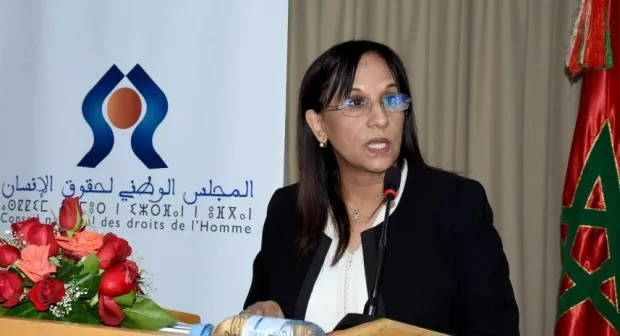
The President of the National Council for Human Rights, Amina Bouayach, emphasized the importance of this conference, stating that as we prepare to observe the legislative elections in Morocco, there is a strong desire to continue enhancing the multi-dimensional dialogue surrounding the transformations occurring in the electoral landscape. These changes are driven by the rapid advancement of digital technologies and artificial intelligence. The conference will explore the challenges and stakes associated with protecting rights and freedoms, ensuring the integrity and transparency of electoral processes within a digital environment.
The conference aims to discuss how to align legal and institutional frameworks with digital transformations, ensuring the protection of personal data, combating misinformation and hate speech, and ensuring the responsible and ethical use of artificial intelligence in electoral processes, all while respecting international human rights standards. While digital technologies have expanded participation and enhanced access to political discourse, Bouayach notes that they have also revealed structural vulnerabilities that could undermine the credibility of elections, fair political competition, and the right to access electoral information.
Key topics that the conference will address include the impact of artificial intelligence and digital technologies on electoral processes; online election observation: challenges and opportunities; electoral disputes and avenues for judicial recourse in the digital age; online campaigning and communication based on artificial intelligence; as well as issues surrounding algorithmic transparency, cybersecurity, and the protection of privacy and personal data in the electoral context.
Additionally, the sessions will showcase comparative experiences and best practices related to the use of technology and artificial intelligence in managing electoral processes, as well as the roles of national human rights institutions, electoral bodies, and digital stakeholders in supporting these transformations and ensuring respect for fundamental rights and freedoms.
The conference will feature participants from Latin America, Europe, and Morocco, enabling an exchange of international experiences and practices concerning the increasingly intersecting realms of democracy, elections, human rights, and digital technologies.
As reported by ar.telquel.ma.