
Marrakech Launches 10th International Conference on Human Rights and Election Laws
Today, Marrakech has proudly inaugurated the 10th International Conference on Human Rights and Election Laws, marking a significant moment in the discourse surrounding democracy and technology's influence on it. This prestigious event is particularly notable as it represents the first time an African nation has hosted the conference. The discussions are timely, considering the increasing role that digital platforms and artificial intelligence are playing in shaping elections, public discourse, and access to vital information.
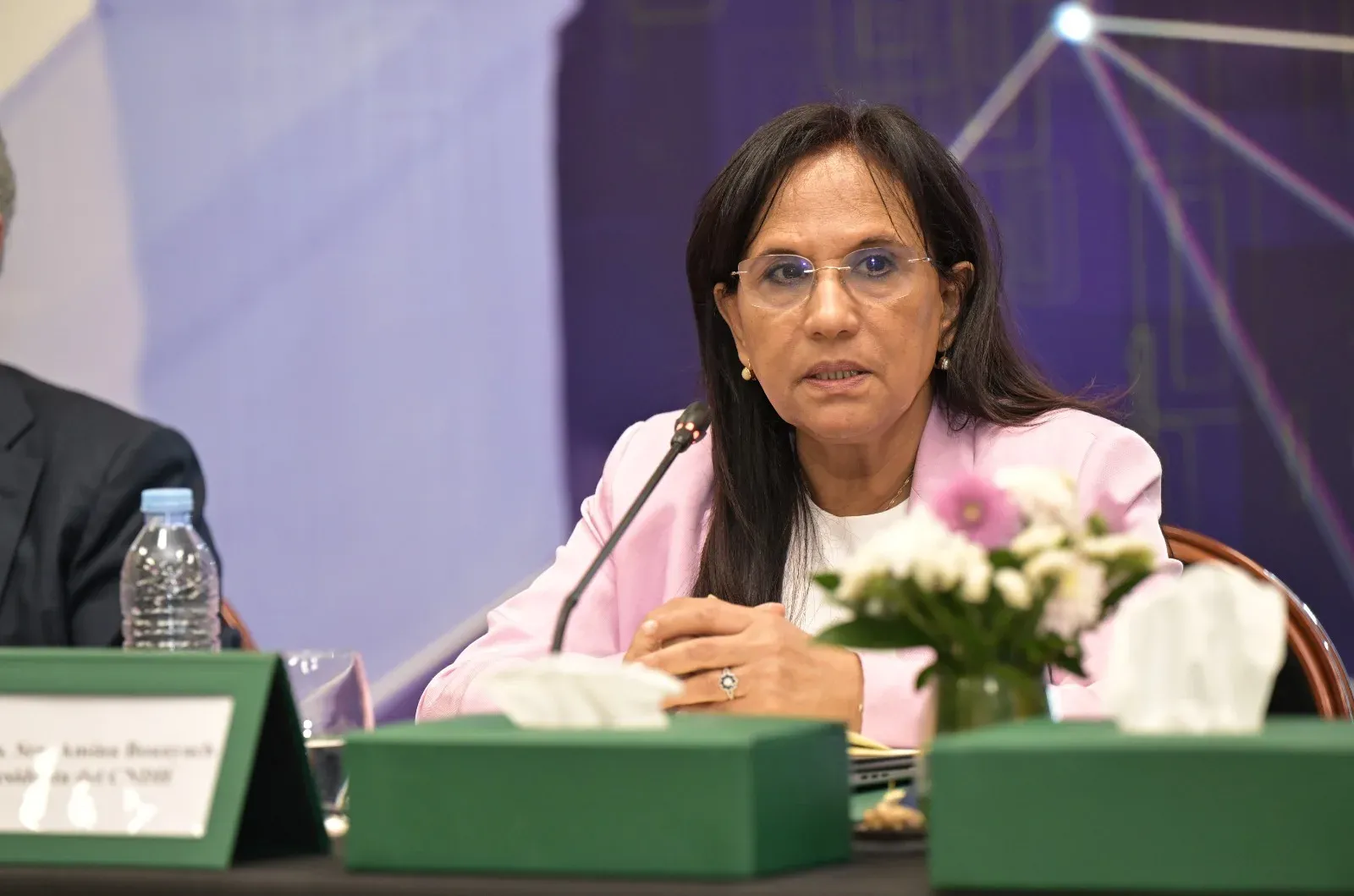
At the opening ceremony, Amina Bouayach, who serves as the President of the National Human Rights Council, emphasized that the selection of Marrakech as the venue was deliberate. She highlighted the city’s rich historical significance as a center for cultural and intellectual exchange, suggesting that this symbolic choice is intrinsically linked to the future of public debate and the safeguarding of fundamental freedoms. Bouayach pointed out that elections should not merely be viewed as a technical procedure for transferring political power; rather, they are deeply intertwined with essential human rights, including the right to vote, the right to run for office, freedom of expression, access to information, and active participation in civic life. She articulated that any shifts in public dialogue or in the manner citizens access information inevitably impact the framework of rights that underpins democratic practices.
The Double-Edged Sword of Digital Technology
During her address, Bouayach acknowledged the potential of digital technologies and artificial intelligence to enhance information accessibility, improve public services, foster civic participation, and promote transparency, particularly in the electoral process. However, she also sounded a cautionary note about the significant risks that accompany these advancements. According to Bouayach, digital platforms have evolved into extensions of the public sphere, often serving as venues where public opinions and collective decisions are formed. Unfortunately, these digital spaces are frequently governed by complex and opaque algorithms that dictate the content individuals are exposed to, potentially skewing perceptions and influencing public opinion.
One of the most pressing concerns highlighted by Bouayach is the rise of misinformation, which poses a critical threat, especially during election periods when trust in information, institutions, and the electoral process is paramount. The prevalence of deepfakes, automated content generation, and targeted political advertising complicates the ability to discern real from false information, paving the way for potential manipulation on political, ideological, or commercial fronts. Yet, Bouayach reassured that the goal is not to reject technology or fear digital evolution; instead, the challenge lies in developing democratic governance structures for these tools that prioritize transparency, accountability, non-discrimination, and the protection of free choice.
In her closing remarks, Bouayach revealed that the National Human Rights Council had already initiated the integration of digital discourse analysis and social media monitoring during the 2021 elections. Plans are underway to enhance these capabilities for the upcoming 2026 legislative elections through improved risk detection, advanced data analysis, and comprehensive observer training. Furthermore, she proposed concluding the conference with a final document aimed at establishing a continual dialogue platform among institutions, researchers, and stakeholders from the Global South.
As reported by moroccoworldnews.com.