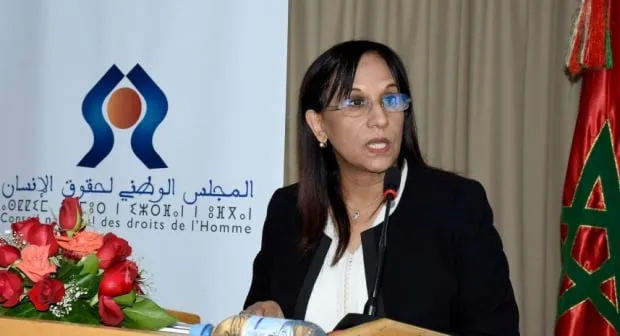

10th International Conference on Human Rights and Electoral Laws Kicks Off in Marrakech
The city of Marrakech is set to host the 10th International Conference on Human Rights and Electoral Laws, commencing tomorrow, Friday, May 22, 2026. This significant event marks the first time Morocco has organized such a conference, initiated by the National Human Rights Council. This year's conference will focus on the theme "Elections and Human Rights in the Age of Digitalization and Artificial Intelligence," highlighting the relevance of this topic in both regional and international contexts, particularly as Morocco prepares for legislative elections scheduled for September. The conference will feature judges, experts, and representatives from various national institutions, electoral bodies, international and regional organizations, as well as academics and researchers engaged in the realms of human rights, digitalization, artificial intelligence, and elections.
In anticipation of observing the upcoming legislative elections in Morocco, the President of the National Human Rights Council expressed a desire to continue fostering a multidimensional discussion regarding the transformations occurring in the electoral landscape due to the rapid advancement of digital technologies and artificial intelligence. The aim is to explore the challenges and stakes related to the protection of rights and freedoms while ensuring the integrity and transparency of electoral processes within the digital environment.
The conference seeks to address how legal and institutional frameworks can adapt to digital transformations, ensuring the protection of personal data, combating misinformation and hate speech, and promoting responsible and ethical use of artificial intelligence in electoral processes, all while adhering to international human rights standards. While digital technologies have expanded participation and improved access to political discourse, as noted by Ms. Amina Bouayach, they have simultaneously exposed structural vulnerabilities that could undermine the credibility of elections, fair political competition, and the right to access electoral information.
The conference will explore various key topics, including the impact of artificial intelligence and digital technologies on electoral processes; online election observation: challenges and opportunities; electoral disputes and judicial recourse in the digital age; online campaigning and communication based on artificial intelligence; as well as issues related to algorithmic transparency, cybersecurity, and the protection of privacy and personal data within the electoral context, among others.
Additionally, the sessions will showcase comparative experiences and best practices regarding the use of technology and artificial intelligence in managing electoral processes, along with the roles of national human rights institutions, electoral bodies, and digital actors in navigating these transformations and ensuring respect for fundamental rights and freedoms.
This conference will feature participants from Latin America, Europe, and Morocco, facilitating the exchange of international experiences and practices concerning the increasing intersections among democracy, elections, human rights, and digital technologies.
As reported by chouftv.ma.