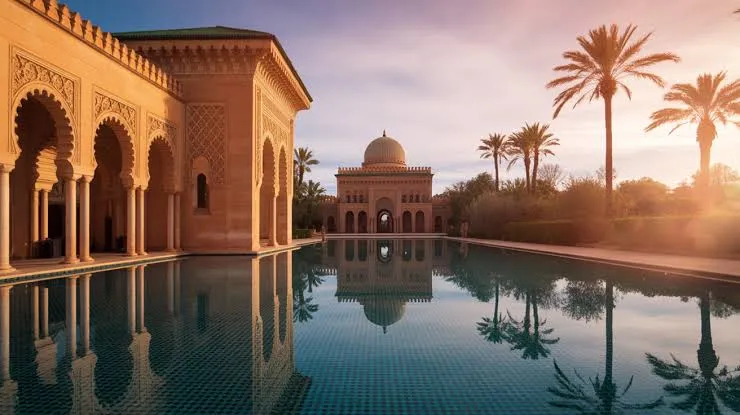

The Evolution of Marrakech's Luxury Real Estate Market
The luxury real estate market in Marrakech is on the brink of a new phase of growth, as the base of international buyers expands and interest in the city surges not just as a tourist destination, but as a prime location for residence, investment, and second home ownership. This transformation is taking place during a time when the Red City is experiencing rapid infrastructure development and an expansion of services aimed at both residents and international visitors.
According to a recent report by the British real estate consultancy firm Knight Frank, Marrakech has emerged in recent years as one of the most dynamic real estate markets in North Africa. The city has benefited from a resurgence in international demand following the COVID-19 pandemic, along with a shift in the buyer demographic, which increasingly includes younger individuals alongside retirees and families. Europeans remain at the forefront of those interested in Moroccan real estate, particularly buyers from France, Belgium, and the UK. However, the market is beginning to attract new segments, including members of the Moroccan diaspora living abroad, especially in the United States, as well as investors from the Middle East, notably from the United Arab Emirates.
Shifts in Buyer Behavior and Infrastructure Investments
One of the most notable changes highlighted in the report is the evolving decision-making process regarding property purchases. A growing number of affluent buyers prefer to reside in Marrakech for periods ranging from six to twelve months before acquiring a property. This approach allows them to familiarize themselves with different neighborhoods, assess the quality of daily services, explore educational institutions and healthcare facilities, as well as evaluate the overall living conditions in the city before committing to a long-term real estate investment. This trend signifies a transition in the market from a model primarily focused on holiday property purchases to one that is more oriented towards actual residency, remote work, and lifestyle considerations, thereby broadening the demand for luxury properties.
Marrakech is simultaneously benefiting from a wave of extensive infrastructure investments, partly driven by preparations for Morocco's hosting of the 2030 World Cup. Among the anticipated projects is the development of a high-speed train connection between Casablanca and Marrakech, which could reduce travel time to approximately 90 minutes and enhance the city's integration with the country's major economic centers. Additionally, the expansion of Marrakech Menara Airport is set to support the real estate market, with plans to nearly double its current capacity. The airport currently offers direct flights to 111 destinations, including New York and Riyadh, thereby increasing Marrakech's attractiveness to international buyers and tourists.
The dynamics of the luxury real estate sector are closely linked to developments in the hospitality industry, where new projects are elevating quality standards and bolstering confidence among investors and buyers in the local market. Marrakech retains its appeal for buyers from Northern Europe, thanks to its sunny climate during the winter months, which supports demand for second homes and enhances opportunities for short-term rental returns. Knight Frank estimates that short-term rental yields in the luxury market range between 7% and 10%, making properties an attractive combination of personal use and investment potential.
While the overall real estate market has shown relative stability since 2023, some upscale areas in Marrakech continue to experience upward price pressures. Luxury residential property prices typically range from €5,500 to €7,000 per square meter, with higher levels recorded for certain exceptional villas and projects. Areas such as Royal Palm and Palmeraie, along with some properties within the old city, stand out as locations experiencing strong demand. The report estimates that prices for some luxury assets have risen between 10% and 15% over the past two years, primarily due to limited availability of high-quality properties against the backdrop of ongoing international demand.
The scarcity of supply is one of the most significant factors affecting the market, particularly for ready-to-move-in and handover properties. A large percentage of available options consist of furnished villas offered for resale, while younger buyers show a greater willingness to purchase properties that require renovation and refurbishment. In contrast, retirees, families, and buyers lacking the time to oversee restoration projects tend to prefer ready properties, making this category rarer and more likely to maintain its value. This disparity between supply and demand increases competition for distinguished properties, especially in areas with strong locations, services, and tourism infrastructure.
The rise of Marrakech's real estate market is not solely tied to financial returns; lifestyle has become one of the most significant attractions for foreign buyers. The city offers a combination of climate, cultural heritage, diverse tourist activities, and living costs that remain competitive compared to several European destinations, alongside the availability of essential services. Furthermore, the presence of international education and healthcare options is vital for attracting families seeking long-term residency, with institutions offering French and American curricula, as well as an anticipated increase in schools providing English-language education.
According to Knight Frank, Marrakech is gradually transitioning into a more organized international second home market, benefiting from price levels that are still lower than many competing European markets. This momentum is expected to continue in the coming period, driven by three primary factors: the scarcity of high-quality properties, sustained international demand, and rapid infrastructure investments. In this context, the company anticipates that the value of luxury properties in Marrakech will increase by approximately 6% by 2026, reflecting ongoing investor confidence in the market's future.
These developments indicate that Marrakech is no longer solely reliant on its status as a global tourist destination; it is moving towards establishing a luxurious real estate market that attracts investors and buyers from diverse backgrounds and nationalities. Infrastructure projects and international demand are likely to enhance its position as one of the leading second home destinations in the region.
As reported by detafour.com.