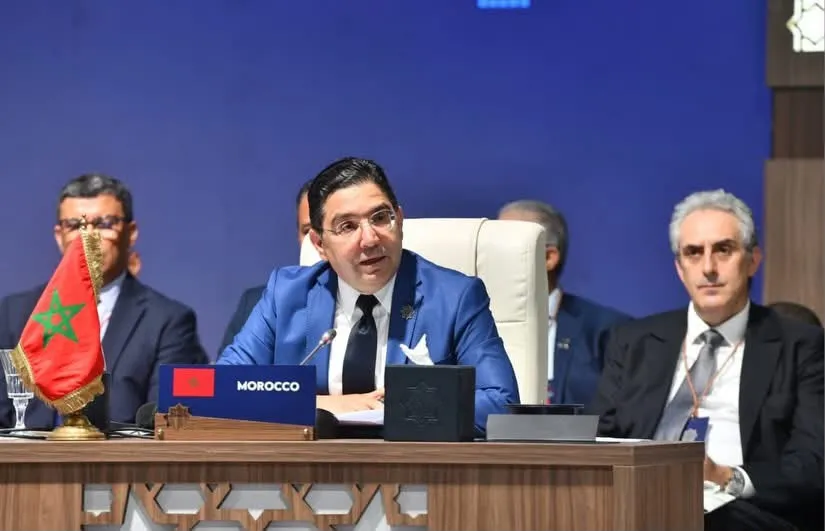

Marrakech Hosts the Fifth High-Level Meeting on Counter-Terrorism and Security
On Tuesday, the city of El Jadida marked the commencement of the fifth high-level meeting of heads of counter-terrorism and security agencies in Africa, commonly referred to as the "Marrakech Platform." This significant event underscores the increasing regional and international coordination necessary to address the evolving threats posed by terrorism across the continent.
This meeting, co-organized by the Kingdom of Morocco and the United Nations Office of Counter-Terrorism, is taking place in a sensitive security context characterized by persistent terrorist threats in Africa and their changing forms. Organizers emphasize the urgent need to develop cooperation tools, facilitate information exchange, and enhance the operational capacities of participating nations.
The current session features substantial participation from nearly forty intelligence and security agencies across Africa, alongside around ninety delegations from various regions worldwide, including the Middle East, Europe, Asia, and the Americas, attending as observers. This broad participation highlights the growing significance of global security and the international community's heightened interest in the challenges Africa faces in combating terrorism.
Additionally, representatives from regional institutions affiliated with the United Nations are participating in this event, further reinforcing the multilateral nature of this initiative. It has evolved beyond mere bilateral or narrow regional cooperation into a broader vision for collective security.
Strengthening Collective Security Efforts Through the Marrakech Platform
The Marrakech Platform is viewed as a continuation of a series of previous meetings hosted by Morocco in various cities. Earlier sessions took place in Marrakech (2022), Tangier (2023), Fez (2024), and Agadir (2025), demonstrating a clear commitment to establishing this framework as a permanent venue for exchanging experiences among security and intelligence agencies.
The current session's significance is underscored by the diversity and scale of participation, granting it a strategic dimension that transcends the African context, aiming for a broader landscape of international security partnerships. This is particularly relevant given the escalating threats related to cross-border organized crime, violent extremism, and the interconnectedness of criminal networks in conflict zones.
This dynamic confirms that the Marrakech Platform has evolved beyond a mere dialogue forum; it has become a practical mechanism for coordinating efforts, establishing capacity-building priorities, and enhancing cooperation in training and intelligence sharing. This reflects a growing trend toward a more integrated and effective collective security framework in Africa.
Thus, Morocco solidifies its position as a pivotal player in regional security cooperation architecture by continuously hosting this initiative and supporting it through international and UN partnerships. This context is steering a redefinition of the concept of security in Africa as a collective responsibility that necessitates ongoing and proactive coordination.
As reported by laayounenow.com.