
Marrakech-Safi's Political Landscape Ahead of the 2026 Elections
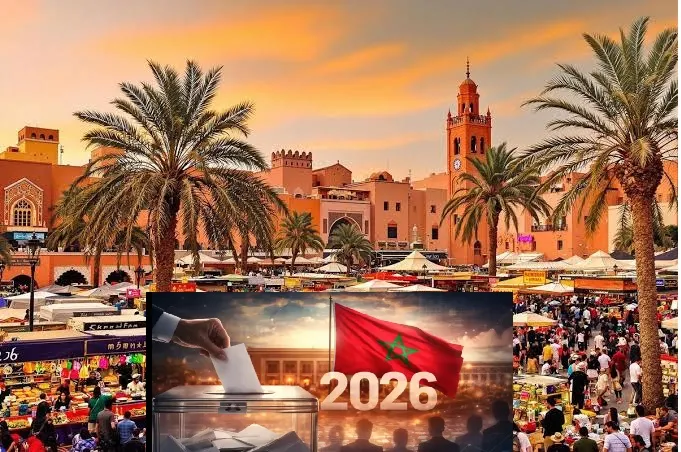
The Marrakech-Safi region is currently experiencing a significant electoral competition as the legislative elections scheduled for September 23, 2026, approach. Political parties and candidates are vying for 46 parliamentary seats allocated to this region in the House of Representatives. These seats are distributed among 36 local electoral districts and 10 regional electoral seats, positioning Marrakech-Safi as a key player in the national parliamentary landscape.
Within the local electoral framework, the 36 seats are divided across ten districts. This includes three districts in Marrakech, specifically the city of Marrakech–Sidi Youssef Ben Ali, Menara, and Gueliz–Palmery, each with three seats. Additionally, the districts of Safi have six seats, while Al-Haouz, Essaouira, Chichaoua, and Qalaat Sraghna each hold four seats. The Rahamna district is allocated three seats, and Youssoufia has two seats. In the regional electoral district, candidates are competing for the 10 available seats, with 17 regional lists submitted during the nomination phase, pending verification and appeals.
Key Issues Driving the Election Debate
The electoral competition in Marrakech-Safi is characterized by diverse dimensions from one district to another, driven by demographic, social, and economic factors. However, several common issues dominate the electoral discourse, particularly those concerning health, education, employment, and the rising cost of living. In the city of Marrakech, where the three local districts encompass nine seats, the competition is notably fierce within urban spaces, marked by a variety of lists and candidates representing different political affiliations. Preliminary data indicate that ten lists have been submitted in the Sidi Youssef Ben Ali district, thirteen in the Menara district, and twenty in Gueliz–Palmery.
The concerns of voters in Marrakech extend beyond local issues to intersect with national and social matters, especially regarding the quality of health services, educational development, job provision, and efforts to enhance income levels and purchasing power. In the rural provinces of the region, issues also arise related to geographic and spatial challenges, including alleviating isolation in rural areas, strengthening infrastructure, improving transportation and health services, supporting economic and agricultural activities, and creating job opportunities for youth.
The upcoming legislative elections in Marrakech-Safi promise a highly competitive atmosphere, not only due to the number of seats available but also because of the diverse districts and local expectations, coupled with the multitude of candidates and lists seeking to earn voter trust. As the electoral landscape unfolds in both urban centers of Marrakech and the surrounding seven provinces, attention will be focused on how electoral programs and speeches translate into voter choices, particularly concerning issues that directly impact the daily lives of citizens. Ultimately, the election will determine the distribution of the 46 parliamentary seats allocated for the Marrakech-Safi region, with pressing issues such as the cost of living, health, education, job creation, and regional development remaining central to the electoral debate in the area.
As reported by almayadeennews.ma.