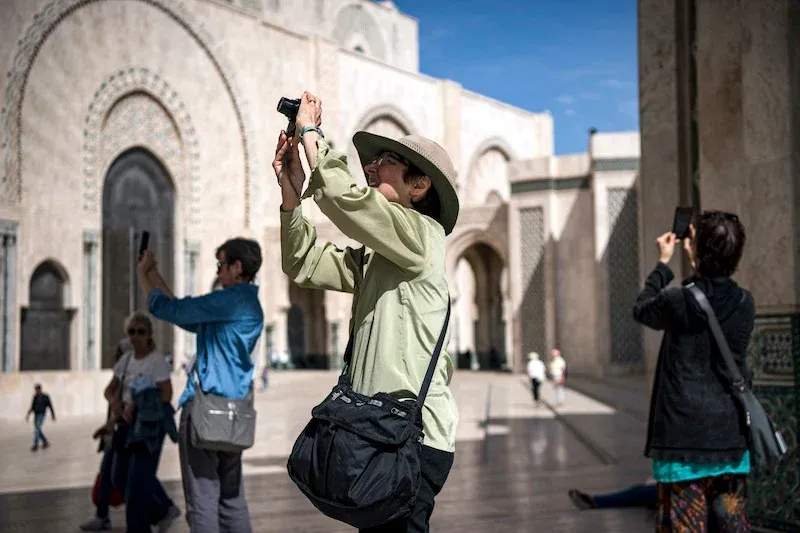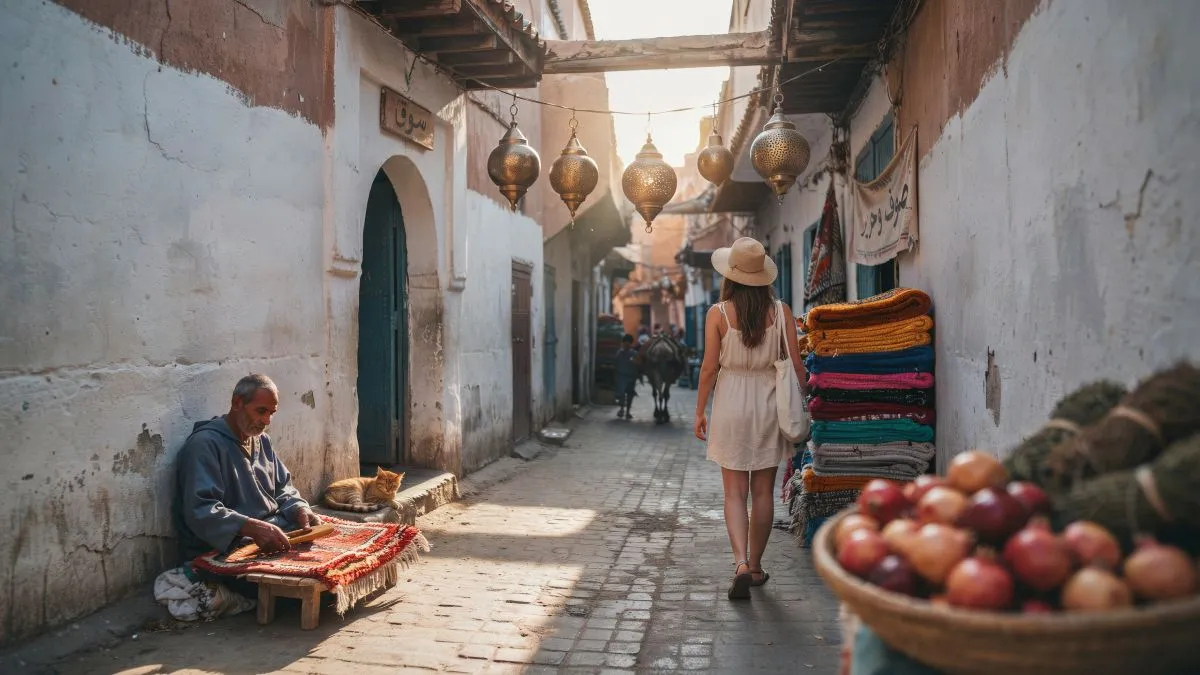

Morocco is strategically positioning the historic city of Marrakech as the focal point of its burgeoning tourism initiatives, emphasizing the UNESCO-listed medina and its ancient souks as pivotal attractions in the nation’s quest for immersive cultural travel experiences. Following an impressive achievement of welcoming 17.4 million visitors in 2024—a remarkable 20 percent increase from the previous year—Morocco is solidifying its status as one of Africa's premier tourism hotspots. The Moroccan National Tourist Office (ONMT) is shifting its focus towards providing authentic experiences that inspire travelers to delve beyond the conventional sightseeing routes, promoting structured itineraries that weave through the traditional markets, artisan neighborhoods, and historic districts. This strategy not only aims to enhance visitors' understanding of Marrakech's rich heritage but also improves the flow of foot traffic in one of Morocco’s most frequented tourism zones.
Marrakech Medina: A Cultural Hub for Tourism
The medina of Marrakech has long stood as a symbol of the city's identity, merging historic architecture, artisanal craftsmanship, religious significance, and vibrant street life into a captivating tapestry. Recognized as a UNESCO World Heritage Site, the medina is home to iconic landmarks such as Jemaa el-Fna square, bustling markets, and significant cultural sites that attract millions of tourists annually. Morocco's new tourism strategy aims to transform the medina from a mere stopover into a destination where visitors can immerse themselves in local customs and traditions. Newly recommended routes connect key areas, including Jemaa el-Fna with the Mouassine and Ben Youssef districts, encouraging tourists to explore museums, artisan workshops, and experience local life rather than merely congregating in the city's busiest spots. This initiative reflects a global shift in tourism where travelers increasingly seek authentic cultural experiences, looking for connections to food, crafts, history, and the local populace.
Discovering Marrakech's Souks and Artisan Heritage
Marrakech's souks are renowned as some of the most recognizable traditional markets in North Africa, nestled within the medina, where various crafts and goods are organized into a labyrinth of narrow alleyways teeming with artisans, vendors, and workshops. A typical visitor experience begins at Jemaa el-Fna and meanders deeper into the souk, with Souk Semmarine serving as a vital commercial artery, showcasing textiles, clothing, leather products, and a variety of souvenirs. Other sections specialize in traditional crafts such as metalwork, carpets, spices, pottery, and handmade items. Tourists are encouraged to spend several hours exploring these markets, as it is not just a shopping excursion but an opportunity to witness traditional production methods and engage with artisans who preserve time-honored techniques. Bargaining is an integral part of the shopping experience, and visitors are advised to navigate this process respectfully, comparing prices across vendors while supporting local craftsmanship through their purchases.
At the heart of Marrakech, Jemaa el-Fna remains the city's most celebrated public space, recognized by UNESCO for its rich intangible cultural heritage encompassing storytelling, performances, and vibrant social interactions. Throughout the day, visitors can indulge in food stalls, fresh juice vendors, and traditional performers, while as night falls, the square transforms into a lively gathering hub filled with restaurants and entertainment options. Tourism planners are leveraging the square as a starting point for broader exploration of the medina, aiming to distribute tourism benefits to a wider array of businesses and communities.
The essence of Marrakech's tourism appeal is deeply rooted in its living traditions, providing visitors with an opportunity to engage with craftsmanship as a dynamic aspect of daily life. The city is home to leatherworkers, dyers, metal artisans, carpet makers, and ceramic specialists who continue to thrive within the old city. Workshops invite tourists to delve into the intricate skills behind Moroccan handicrafts. The Ensemble Artisanal, located near the Koutoubia Mosque, serves as a key destination for those interested in traditional Moroccan crafts while promoting the preservation of artisan skills through training initiatives. With a growing emphasis on luxury tourism, private workshops and guided craft tours are becoming increasingly appealing to travelers seeking meaningful, handcrafted souvenirs over mass-produced items.
Marrakech's tourism growth is intricately linked to the demand for high-value experiences, encompassing luxury accommodations, boutique riads, fine dining, and rich cultural activities. The city has emerged as a leading destination for hotel stays in Morocco, underscoring its significance in the national tourism landscape. The expansion of international flight connections has further bolstered this growth strategy, enhancing accessibility from key European and Middle Eastern markets and facilitating direct travel to Marrakech.
As visitor numbers rise, however, challenges persist. Historic areas must carefully balance the demands of tourism with the preservation of heritage, community needs, and visitor safety. Authorities are actively encouraging the use of licensed guides, while tourist police play a vital role in managing visitor flow within the historic center. For first-time visitors, a stay of at least three nights is recommended to fully appreciate the medina's offerings without haste. Essential experiences include exploring Jemaa el-Fna at different times, visiting attractions in the Ben Youssef neighborhood, engaging with artisan workshops, savoring Moroccan cuisine, and staying in a traditional riad. Beyond the medina, visitors can also discover the Majorelle Garden, various museums, and take excursions to the nearby Atlas Mountains, enriching their understanding of Marrakech as more than just a historical marketplace.
Ultimately, Morocco is committed to building a robust future through cultural tourism. The medina and souks of Marrakech embody the type of tourism experience the country aspires to promote: genuine, culturally rich, and deeply connected to local communities. The nation’s notable visitor growth reflects a strong international demand, with a focus on heritage tourism that encourages travelers to engage more meaningfully with destinations rather than merely passing through. By enhancing visitor management, strengthening air connections, and offering artisan experiences alongside luxury travel options, Marrakech is solidifying its position as a leading cultural tourism destination bridging Europe, Africa, and the Middle East.
As reported by travelandtourworld.com.