
Marrakech's Real Estate Renaissance
Marrakech, a vibrant city in Morocco, is currently experiencing a significant real estate boom that is dramatically reshaping the dilapidated homes of the Medina into charming boutique hotels. Despite the ongoing visible scars from the devastating earthquake that struck the region in September 2023, the city is undergoing a transformation that promises to enhance its appeal as a tourist destination. Just a short ten-minute drive from the chaotic traffic of Marrakech, one can find a series of luxurious developments along the Amizmiz route. The first of these is Saraya Villas, boasting price tags starting at 4.9 million dirhams, equivalent to approximately half a million euros. Following Saraya, developments like Bell’View and Luxury Villas Signature follow suit, catering to affluent clientele both locally and internationally, and conveniently situated near the international airport.
However, a few kilometers down the same road, a stark contrast emerges, showcasing the other side of Morocco characterized by adobe houses, worn-out motorcycles, and donkey-drawn carts, a reminder of the economic disparities that persist within the country.
Real Estate Fever and Economic Disparities
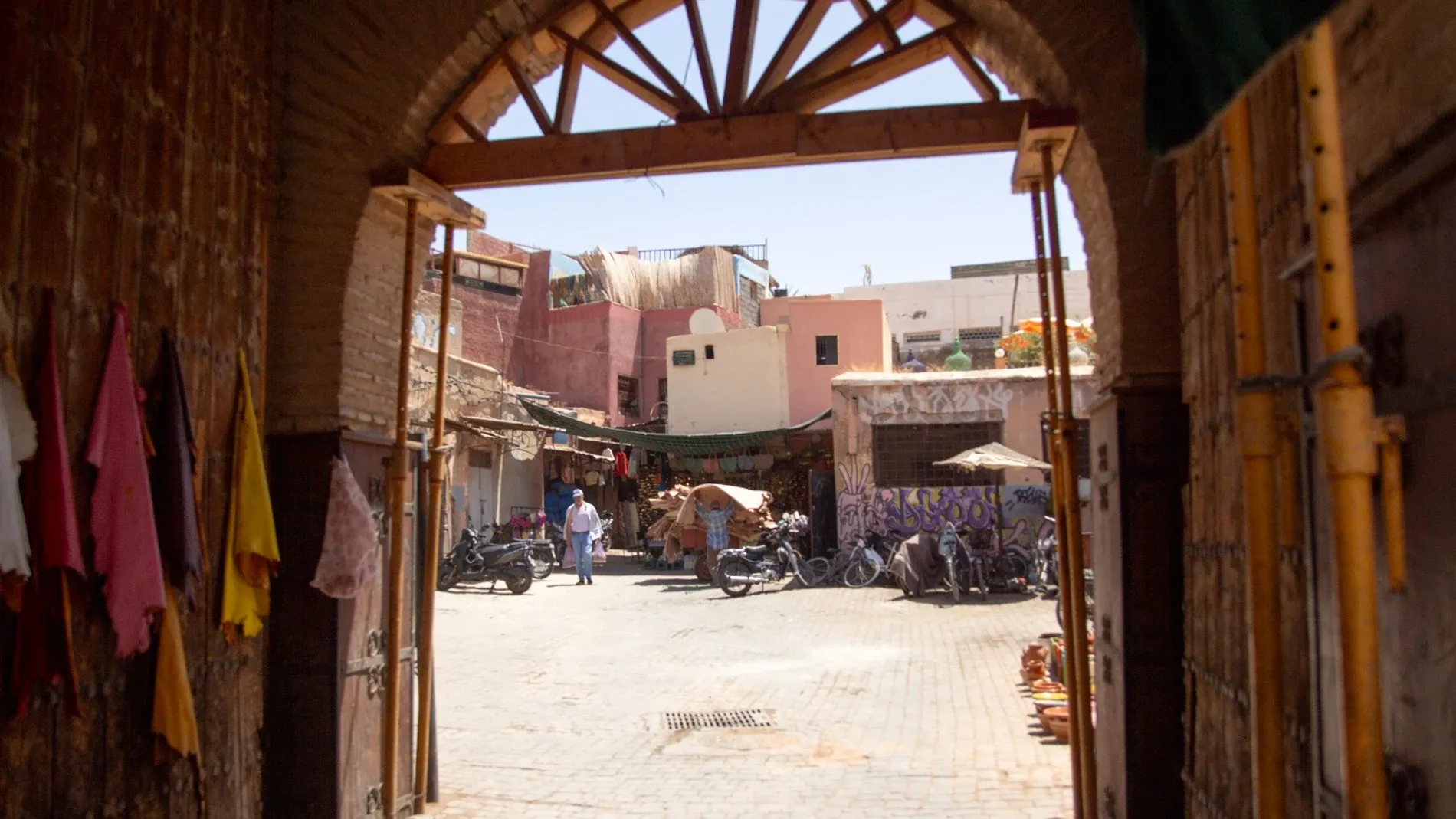
Marrakech, much like other Moroccan cities, is engulfed in a real estate fever that is gradually changing the urban landscape while simultaneously exposing significant inequalities between the wealthy minority that has prospered over the last decade and the majority still living in poverty. This construction boom acts as a bridge connecting these two contrasting worlds. The backdrop for this transformation is the aftermath of the 6.8 magnitude earthquake that rattled the city on September 8, 2023, which resulted in nearly 3,000 fatalities and left approximately 5,600 injured, along with extensive damage to around 60,000 homes in the region, including many in Marrakech itself. The remnants of this disaster are still apparent, particularly in the narrow streets of the kasbah, where workers laboriously clear debris without proper safety measures.
This urban facelift serves not only as a means of justice for those affected by the earthquake but also as a preparation for the city and nation to step onto a world stage they have never occupied before: hosting the 2030 FIFA World Cup. While modernization efforts are evident, particularly in the construction of new roadways and the renovation of public buildings, the transformation of traditional homes in the Medina into tourist accommodations known as riads—Morocco's version of boutique hotels—stands out. A simple online search for "Riad Marrakech" reveals an explosion of options, showcasing competitive pricing and exquisite attention to detail.
Many of these kasbah houses are currently on the market for 400,000 to 500,000 euros, according to local residents, who view these investments as opportunities to rejuvenate the city's most neglected areas. This juxtaposition between the Marrakech that was struck by the earthquake and the one that is poised to host the World Cup represents a critical transition, though the long-term benefits of this shift remain to be seen.
As reported by larazon.es.