
Marrakech's Prime Property Market Thrives with New Buyer Demographics
Marrakech's prime residential property market is witnessing an impressive surge in interest from a diverse array of international buyers. Recent insights from Knight Frank’s market report reveal a significant shift in demand, now prominently driven by younger families, professionals, and members of the Moroccan diaspora, contrasting with the previous dominance of retirees. This vibrant market is regarded as one of the most dynamic in North Africa, with the aftermath of the pandemic instigating a renewed global interest in property investments in the region. European buyers, particularly from France, Belgium, and the United Kingdom, continue to be a major driving force in this revitalized market, expanding its international footprint.
Furthermore, Moroccan expatriates, especially professionals residing in the United States, along with buyers from the Middle East seeking alternatives to traditional lifestyle destinations, are contributing to the burgeoning demand. The pricing landscape for prime residential properties in Marrakech typically ranges from €5,500 to €7,000 per square meter, with luxury villas commanding even higher premiums. Notably, areas such as Royal Palm, Amelkis, Palmeraie, and select properties in the Medina are experiencing consistent price increases, reflecting a robust demand for high-quality homes.
Over the past two years, property prices in these sought-after areas have escalated by approximately 10% to 15%, driven by limited supply and sustained interest. According to official data cited in the report, transactions across all market segments surged by 12% in 2024, underscoring the market's vitality and growth potential.
Innovative Rental Approaches and Infrastructure Developments
Interestingly, a notable trend emerging from this market is the adoption of a “rental-first” strategy among high-net-worth buyers. Many potential buyers are opting to rent for a period of six to twelve months prior to making a purchase, allowing them to thoroughly assess neighborhoods, schools, and overall living conditions. This sequential approach typically involves a transition from hotel accommodations to rental properties before committing to a permanent residence, establishing a new norm in Marrakech's property acquisition process.
This shift in buyer demographics indicates a movement away from the traditional retiree-centric market, with an increasing number of individuals in their 40s and 50s investing in homes for either family relocation or as secondary residences. Younger buyers are often more inclined to consider renovation projects, whereas retirees and families generally prefer turnkey properties that are ready for immediate occupancy.
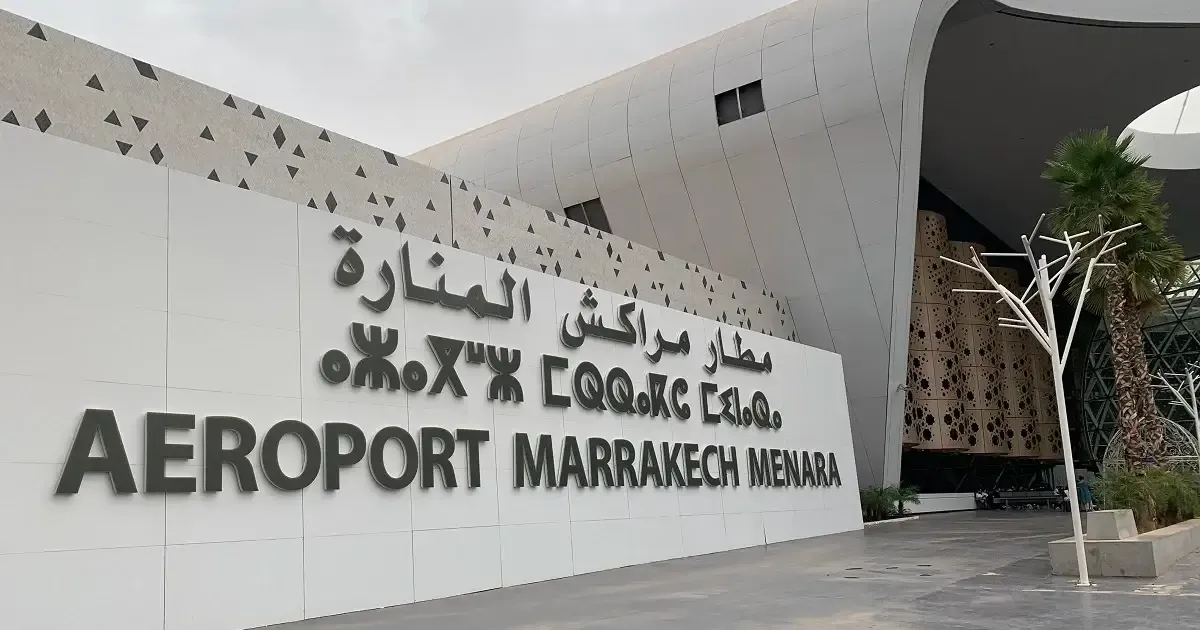
The report also highlights the impact of significant infrastructure developments, particularly in light of Morocco's role as a co-host for the 2030 FIFA World Cup. The anticipated extension of the high-speed rail line connecting Casablanca and Marrakech is expected to significantly reduce travel times, enhancing the accessibility of the region. Additionally, the expansion of Marrakech Menara Airport is projected to double its capacity to accommodate 16 million passengers, further bolstering tourism and facilitating foreign investments. Such developments are expected to contribute to the continued growth of the property market, with Knight Frank forecasting a rise in prime residential values of approximately 6% throughout 2026.
As reported by moroccoworldnews.com.