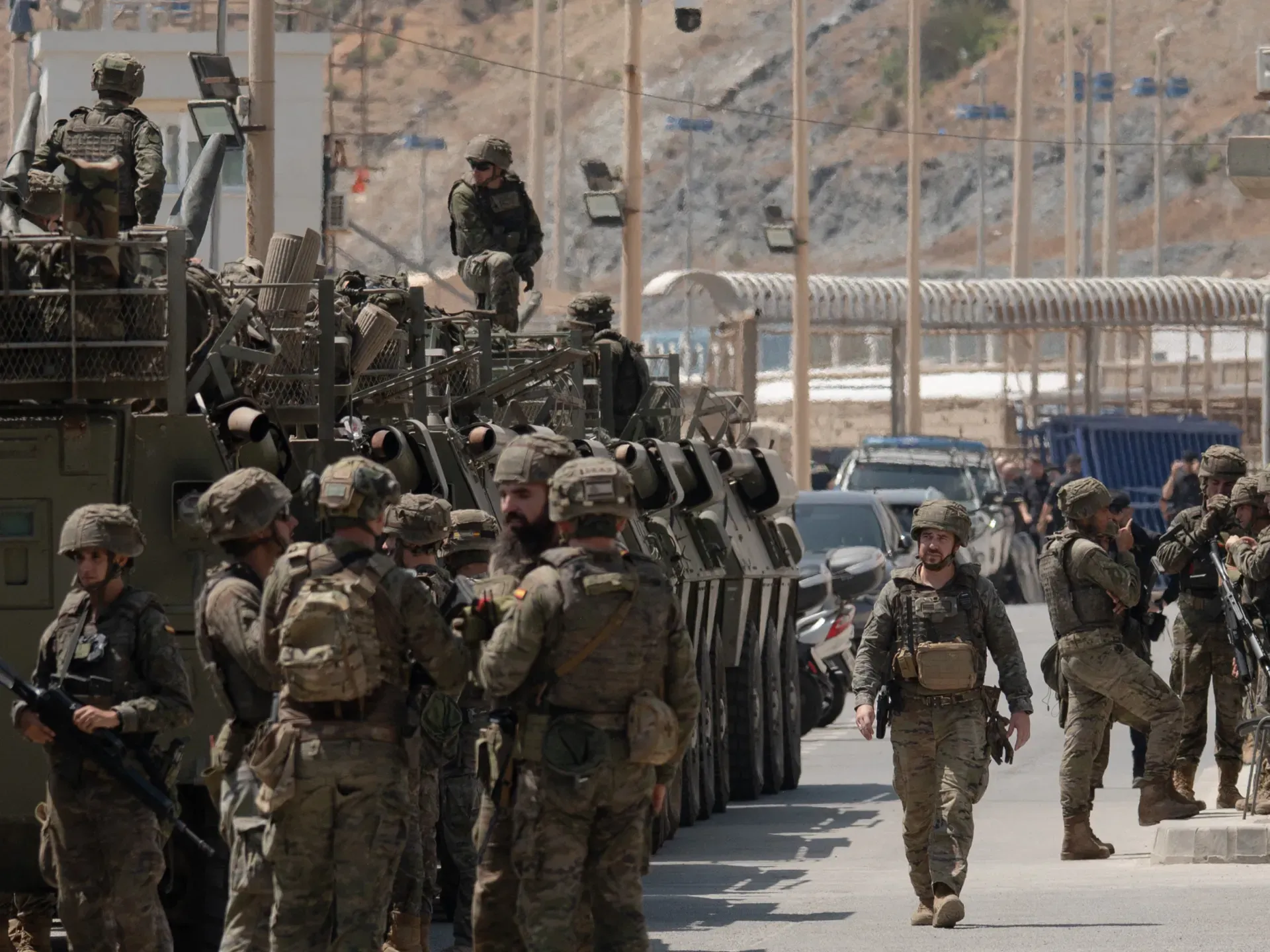

Moroccan security forces have recently intensified their efforts to manage migration attempts towards the Spanish exclave of Ceuta, detaining nearly 300 migrants along with 61 alleged facilitators in a significant crackdown. This surge in arrests comes as authorities responded to calls for a new mass migration crossing, which has raised alarms among local and international observers. According to reports from the Moroccan state broadcaster Medi 1 TV, a total of 294 migrants hailing from sub-Saharan Africa were apprehended on Saturday while trying to enter Ceuta, a Spanish city located on Morocco's northern coast. Alongside these arrests, 61 Moroccan nationals were taken into custody, accused of facilitating these perilous migration attempts.
This latest wave of detentions is particularly alarming, occurring just two weeks after an unprecedented attempt by over 72,000 individuals to breach the border, driven by dire economic situations and widespread misinformation. This incident has been labeled one of the deadliest migration crises in recent history, with official figures indicating that at least 90 lives were lost on both sides of the border, although human rights organizations have suggested that the actual toll may be even higher. The surge in attempted crossings was propelled by a proliferation of social media posts urging people to converge on Ceuta, prompting Moroccan and Spanish authorities to bolster their security measures in the region.
In a poignant display of desperation, hundreds of migrants staged protests on a popular urban beach in Ceuta, passionately appealing to Spanish authorities for asylum rather than repatriation to Morocco. These individuals are part of an estimated group of 5,000 to 8,000 migrants who remained in Ceuta following the mass border crossing two weeks ago. With local resources stretched thin, many migrants are enduring harsh living conditions, residing on Trampolin beach or the city's outskirts as they await opportunities to continue their journey towards mainland Europe. One protester, Ayoub Elarroud from Tetouan, expressed the dire situation, stating, "We’re sleeping next to the sea, with cold and bad smells. We’re suffering a lot," while lamenting that police barriers prevent them from accessing the city center.
During a recent statement, Interior Minister Fernando Grande-Marlaska outlined the government's stance, indicating that migrants who entered irregularly would not be permitted to remain in the exclave, travel to mainland Spain, or attain legal status, except under exceptional circumstances of extreme vulnerability. The Moroccan government maintains a robust security presence, deploying over 20,000 personnel daily along the border at significant financial cost. Each year, thousands of migrants from various parts of Africa make their way to Morocco, fleeing conflict, poverty, and instability, with the hope of finding a route into Europe through Ceuta or Melilla, another Spanish exclave on Morocco's northern coast.
As reported by aljazeera.com.