
Mass Migration Crisis in Ceuta
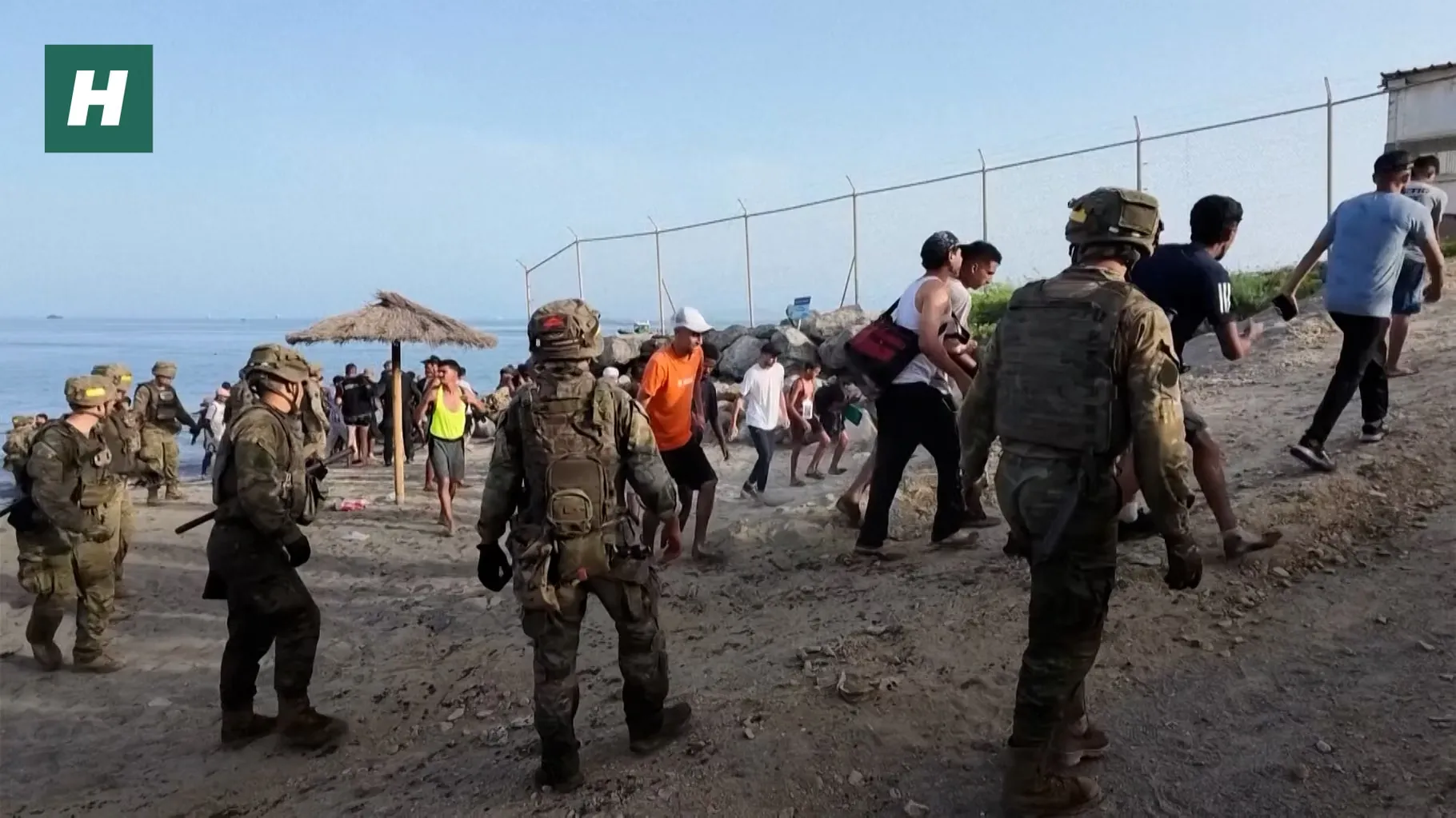
In a dramatic turn of events, Spain's Ceuta enclave witnessed a massive influx of migrants from Morocco, with authorities estimating that approximately 60,000 people crossed the border illegally starting from July 30. This surge in migration has been attributed to a quest for better living conditions, compounded by the spread of misinformation on social media amidst diplomatic tensions between Morocco and Spain. Spanish Interior Minister Fernando Grande-Marlaska announced on July 1 that the situation in Ceuta had stabilized, with conditions returning to normal within just 48 hours. Many migrants, however, expressed their disillusionment with the conditions they faced in Ceuta, leading some to voluntarily return to Morocco. One migrant, Mohammed, lamented, "I'm going back. There is nothing to do here. The locals have treated us poorly. We are hungry, and the stores are closed." This sentiment reflects the harsh reality that many migrants encountered upon arrival.
Casualties and Returns
The situation has not only been challenging but also deadly, with at least 67 reported fatalities during the perilous journey to Ceuta. Minister Grande-Marlaska noted that around 48,000 of the newcomers have since returned to Morocco, facilitated by transportation organized by authorities, including military escort to the border. This mass return underscores the lack of opportunities for migrants to regularize their status in Spain, further dispelling fears propagated by populist leaders about an overwhelming tide of migration. Ceuta, while geographically close to Europe, remains a complex and challenging environment for those seeking refuge. The ongoing crisis will undoubtedly continue to pose challenges for both Spain and the European Union as they navigate issues of migration and border management.
As reported by huffingtonpost.fr.