
In a startling turn of events on July 31, 2026, a flood of migrants surged toward the Spanish enclave of Ceuta from Morocco, driven primarily by rampant misinformation circulating on social media platforms. Instagram posts that falsely suggested the opening of Spain's border with Morocco ignited a wave of excitement among thousands of Moroccans, leading them to believe that their dreams of reaching Europe were suddenly attainable. Facebook users actively monitored coast guard movements, while TikTok videos provided guidance on swimming routes, creating a perfect storm of confusion and hope.
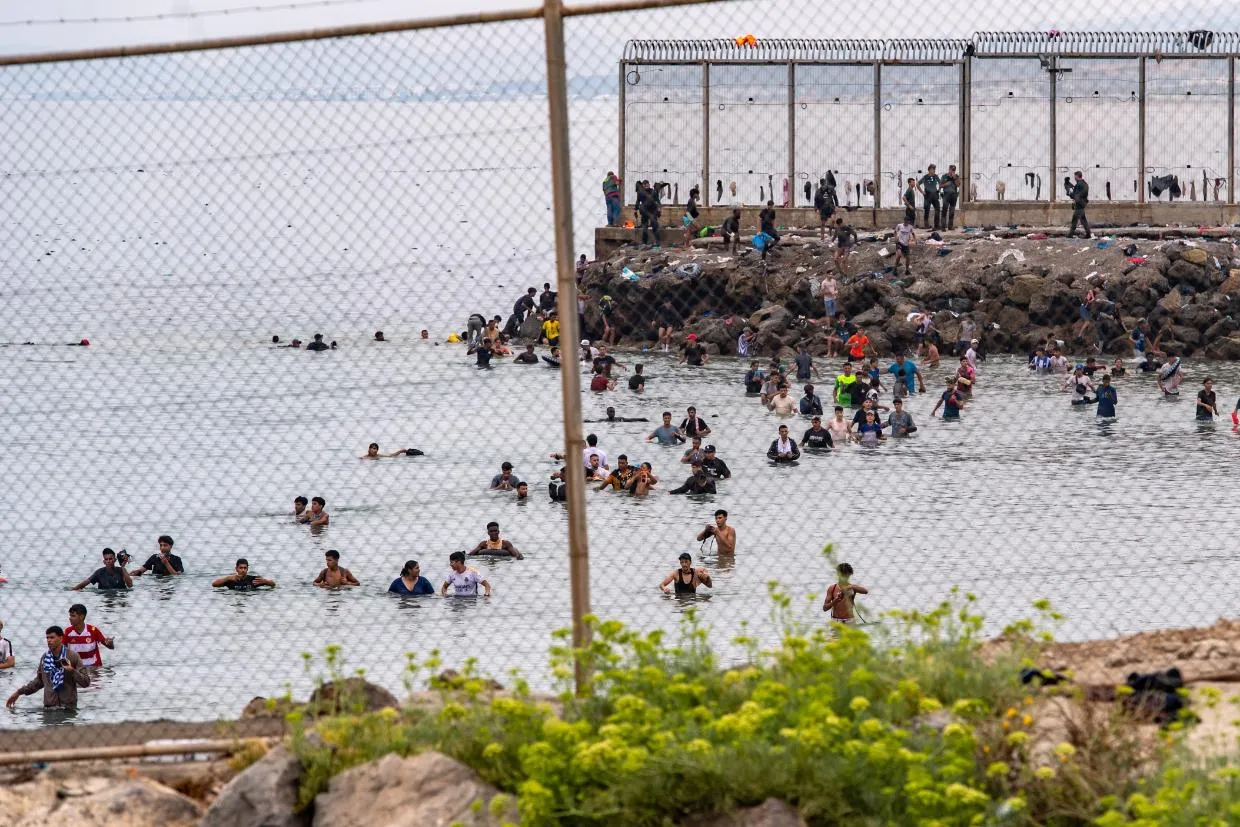
Within mere hours of these posts gaining traction, young individuals began to flock to the border. Buses, regional trains, and taxis swelled with passengers heading to the Moroccan city of Fnideq, just a stone's throw away from Ceuta. By the time authorities took action, an overwhelming estimate of 60,000 people had arrived in Ceuta in just a few days, marking one of the most significant migration surges between Morocco and Spain in years. Tragically, this rush resulted in the loss of over 80 lives, with many migrants drowning or succumbing to the chaos of stampedes as they attempted to reach safety.
The initial spark of this mass migration was ignited in Larache, a northern Moroccan city about 150 kilometers away from Ceuta. A group of friends stumbled upon an Instagram video from the account Haraga Ceuta, which suggested that the border would be open. This claim motivated them to embark on a perilous journey, a sentiment shared by countless others. For many migrants, the typical route begins in Fnideq, where they attempt the daunting 5-kilometer swim around a breakwater, with others departing from the nearby village of Belyounech. Social media played a pivotal role in disseminating information, with TikTok videos detailing swimming routes and Facebook groups sharing real-time updates on coast guard activity.
However, the reality at the Ceuta border was far from the hopeful narrative portrayed online. As thousands of migrants reached the shores, chaos ensued at the narrow concrete breakwater where many attempted to scramble onto dry land. Eyewitness accounts described a harrowing scene where desperate individuals pushed and climbed over one another. The frantic rush led to numerous casualties as people were knocked back into the water, unable to resurface amid the chaos. One migrant recounted stepping on the face of a deceased person while trying to escape the tumult, expressing deep remorse for those who lost their lives during the desperate attempt to cross.
In the aftermath, tens of thousands of individuals returned to Morocco, either forcibly expelled by authorities or choosing to leave due to inadequate conditions in Ceuta, where shelter, food, and water were scarce. Many migrants misunderstood recent legal changes in Spain concerning immigration regularization measures, believing they would be granted the opportunity to stay. This misinterpretation fueled a sense of urgency and desperation, further complicating an already volatile situation.
Authorities on both sides of the border attributed the surge to misinformation and the exploitation of social media, leading to an investigation into the digital spread of these rumors. Yet, many returning migrants firmly rejected the notion that they were manipulated by human smugglers, asserting their autonomous decision to embark on the treacherous journey to Europe. The lack of job prospects in Morocco, coupled with high youth unemployment rates, has perpetuated the dream of migration among young Moroccans, reinforced by the success stories of those who have previously made the journey.
As the dust settles on this tragic episode, the need for a comprehensive understanding of the underlying issues driving migration remains paramount. The interplay between social media, economic despair, and governmental responses highlights the complexities of migration dynamics in this region.
As reported by stuff.co.nz.