Mass Influx of Migrants into Ceuta Raises Concerns
On July 30, an astonishing wave of approximately 80,000 individuals crossed from Morocco into Ceuta, a Spanish exclave, within mere hours, significantly overwhelming a city that has a population of just under 83,000. The reasons behind this unprecedented mass migration remain somewhat unclear. Following the influx, the majority of undocumented migrants returned to Morocco after Spanish authorities firmly communicated that they would not be allowed to remain. However, around 7,000 individuals, including an estimated 1,000 minors, chose to stay in Ceuta. This sudden crisis has ignited intense discussions within both the Spanish political and religious communities. Some Church leaders, including the president of the bishops’ conference, have labeled the incident an "invasion," while others advocate for a more humanitarian approach in addressing the needs of the migrants.
The Pillar recently engaged in a conversation with Archbishop Emilio Rocha, OFM, of Tangier to gain insights into the unexpected exodus and the current situation in Morocco. The Archbishop emphasized that the events of July 30 coincided with Throne Day, Morocco's most significant civil holiday, commemorating King Mohammed VI’s coronation. Although mass crossings from the Moroccan border have occurred in the past, this event was unique in scale, involving not only Moroccans but also numerous sub-Saharan migrants. The Spanish government has reported that approximately 72,000 individuals entered Ceuta, effectively doubling the city’s population within a few hours. Ceuta is a geographically confined enclave bordered by the Mediterranean to the north and Morocco to the south, leaving little room for escape or integration.
The Human Tragedy Behind the Migration
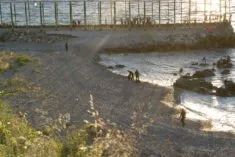
The mass entry of migrants into Ceuta occurred under extraordinary circumstances, as heavy surveillance was anticipated due to the holiday celebrations taking place nearby. Despite this, thousands managed to breach the border, primarily by traversing the breakwater, where a short swim led them to Spain. Speculation suggests that a recent ruling by Spain’s Supreme Court, which allows for different legal treatment of maritime crossings versus physical borders, may have influenced this mass migration. Furthermore, previous migrant regularization efforts by the Spanish government could have acted as a catalyst.
Tragically, the perilous journey across the Strait of Gibraltar has resulted in numerous fatalities, with estimates indicating around 100 deaths, including 72 bodies recovered in Spain and additional casualties reported by Moroccan authorities. Archbishop Rocha noted a significant voluntary return of Moroccans to their homeland, encouraged by Spanish authorities who highlighted the limited opportunities available in Ceuta. Many migrants came to the realization that residing in such a small city, devoid of a land border with the rest of Spain, would not facilitate their aspirations for a better life.
Currently, estimates suggest around 2,000 individuals remain in Ceuta according to the central government, while local authorities report figures closer to 6,000. The majority of those who have stayed are believed to be sub-Saharan migrants seeking political asylum due to dire circumstances in their home countries. The dynamics behind this migration reflect a complex interplay of poverty, social disparities, and the allure of perceived prosperity in Europe. Many migrants, driven by a desire for improved living conditions, face significant challenges as they navigate the harsh realities of migration.
In conclusion, the migration crisis in Ceuta presents a multifaceted challenge that requires a comprehensive understanding of the motivations behind such drastic measures. The plight of migrants, coupled with the political and humanitarian implications for both Spain and Morocco, underscores the need for collaborative solutions that address the root causes of migration while providing immediate assistance to those affected by this ongoing crisis. As reported by pillarcatholic.com.