
Widespread Demonstrations Sparked by Ceuta Migration Crisis
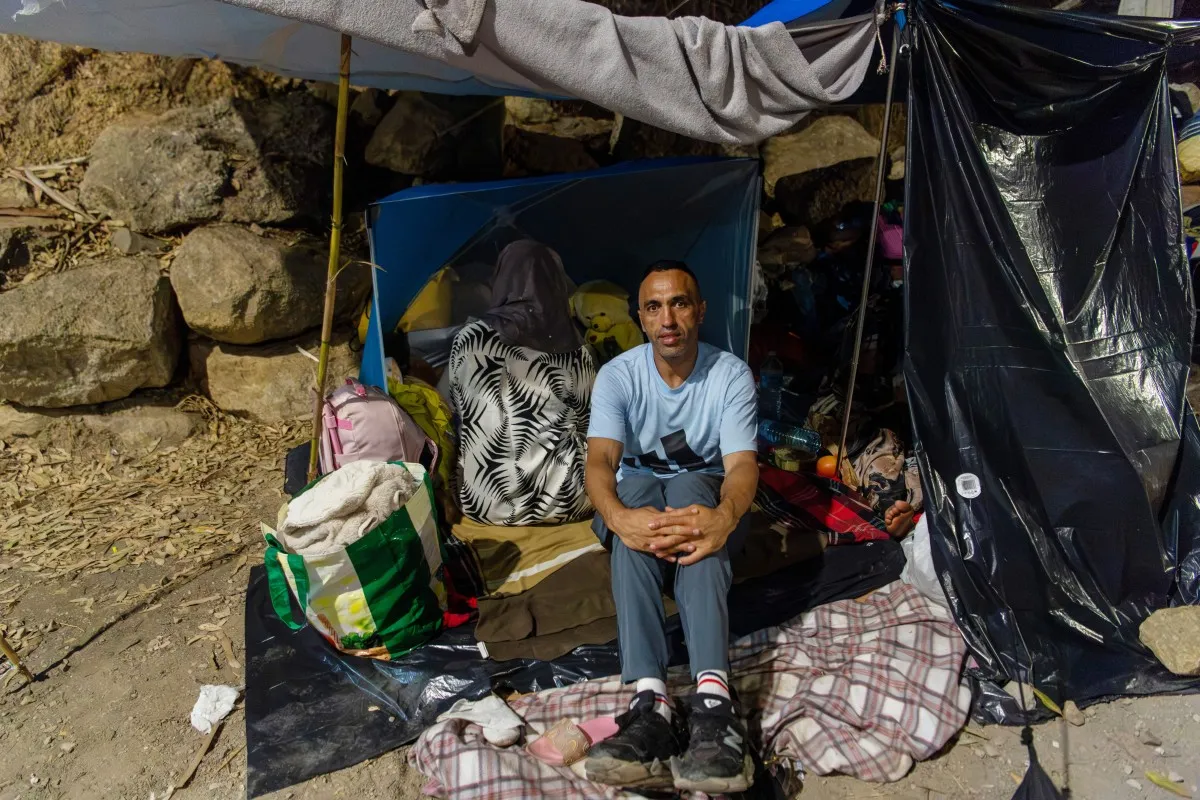
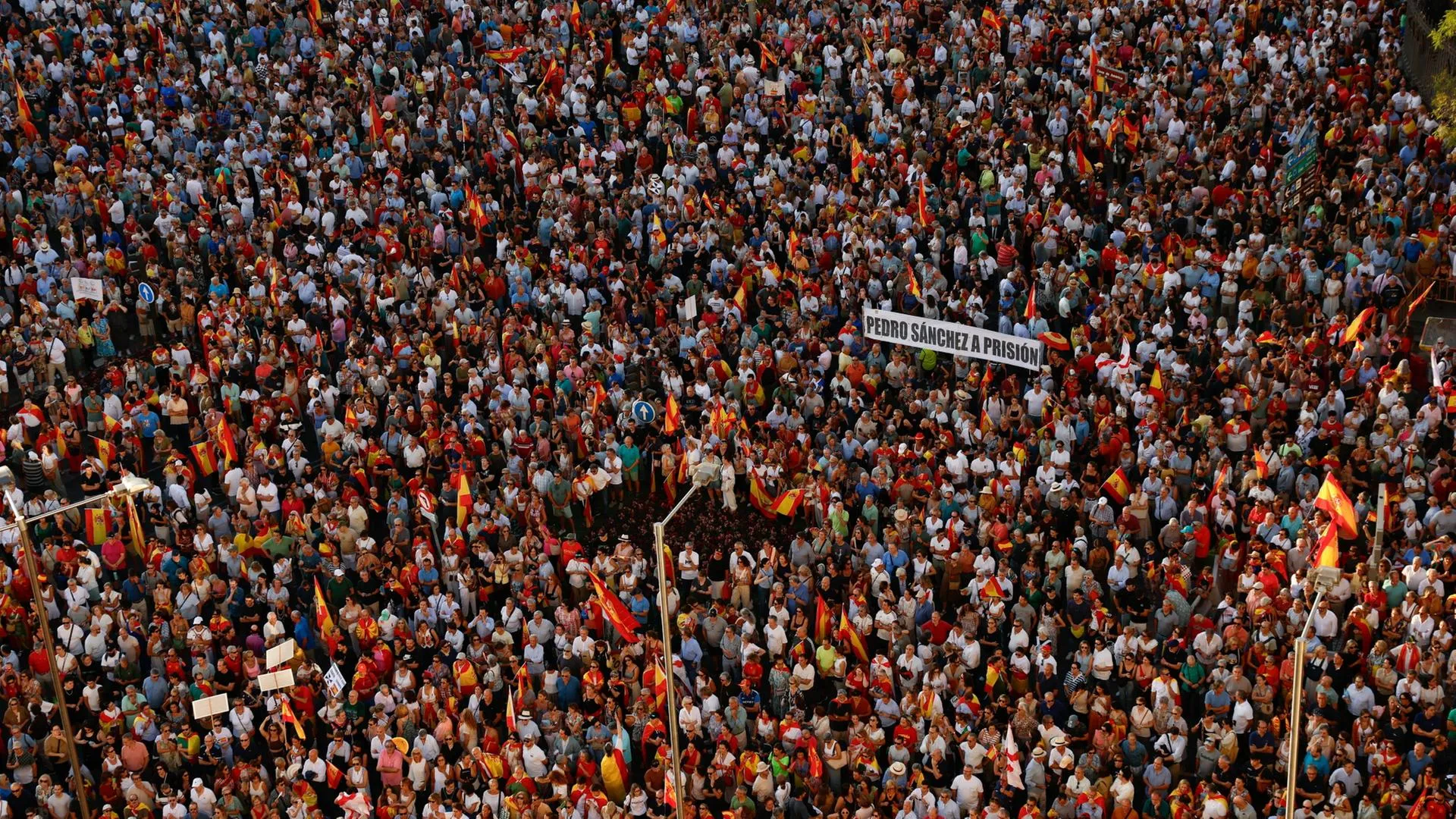
More than a month after the surge of migrants in Ceuta, tens of thousands of people have taken to the streets across Spain to protest against the central government's migration policies. These demonstrations have been particularly focused on the status of Ceuta, a Spanish exclave located in North Africa, with many participants voicing their concerns about the government's handling of the situation. Protesters have accused Prime Minister Pedro Sánchez's administration of adopting a policy of appeasement towards Morocco and failing to provide adequate support for Ceuta. According to a report from "El País", the National Police clashed with extremist groups gathered near the Congress building in Madrid, using tear gas and rubber bullets to disperse the crowds, leading to the arrest of four demonstrators. Official estimates suggest that around 50,000 people participated in the Madrid rally alone.
In Ceuta, thousands rallied for a return to normalcy and to affirm the territory's connection to Spain, with banners proclaiming, "Ceuta is not for sale, Ceuta will not surrender." While Morocco has long claimed Ceuta as its own, it has not exerted significant pressure on the issue recently. Spanish flags were raised by demonstrators during the Ceuta rally, symbolizing their commitment to maintaining ties with Spain. The protests were organized by the FEMP, the federation of Spanish municipalities led by the opposition People's Party (PP). Opposition leader Alberto Núñez Feijóo described the influx of migrants as an "invasion" orchestrated by Morocco, while the far-right Vox party also participated in the demonstrations.
Interestingly, counter-demonstrations occurred in several cities, including Barcelona and Bilbao, where the message was clear: "No human is illegal," as seen on their banners. In response to the crisis, the Spanish government recently approved a €309 million aid package for Ceuta. At the height of the migrant influx in late July, approximately 72,000 migrants reached the exclave, with current government estimates indicating that around 5,000 remain in the area. Tragically, the crisis resulted in the loss of at least 90 lives.
As reported by tagesschau.de.